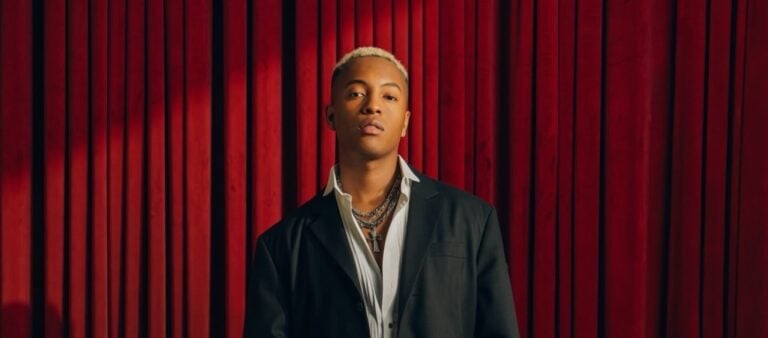
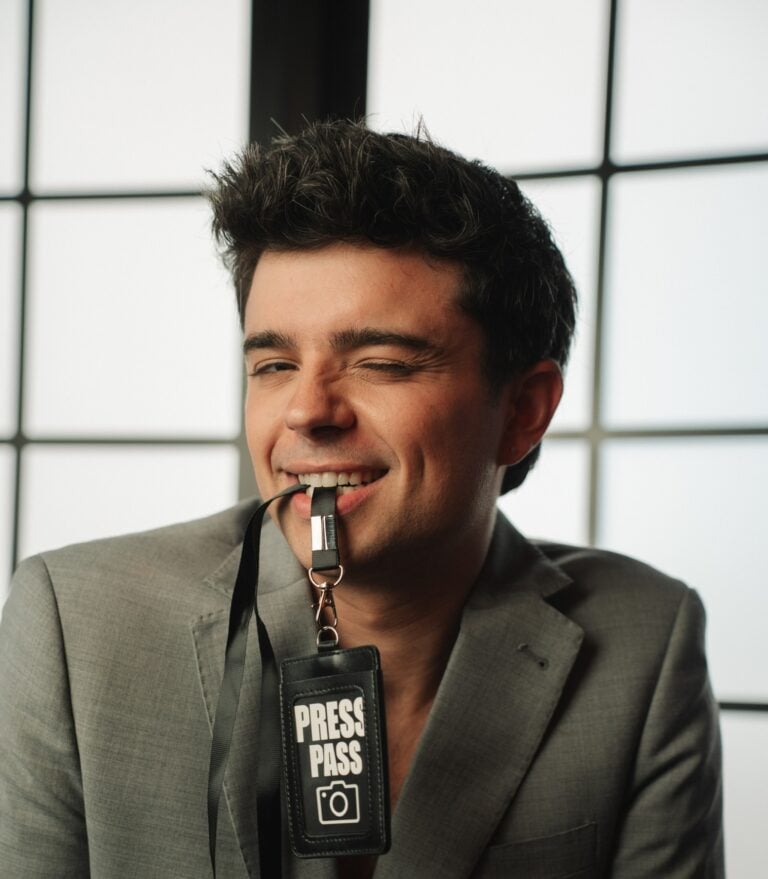
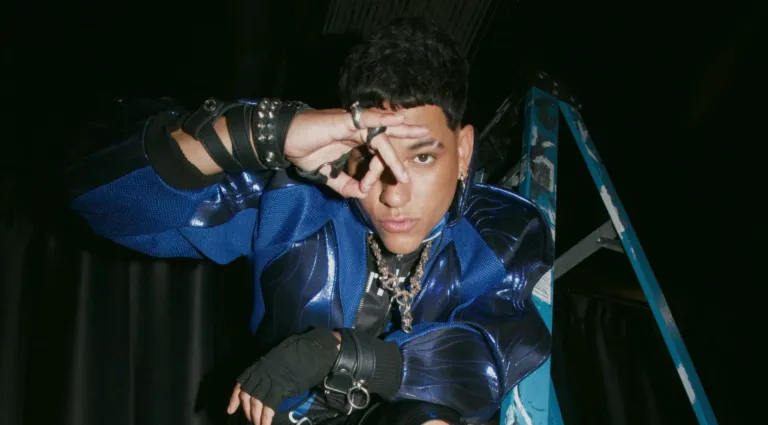
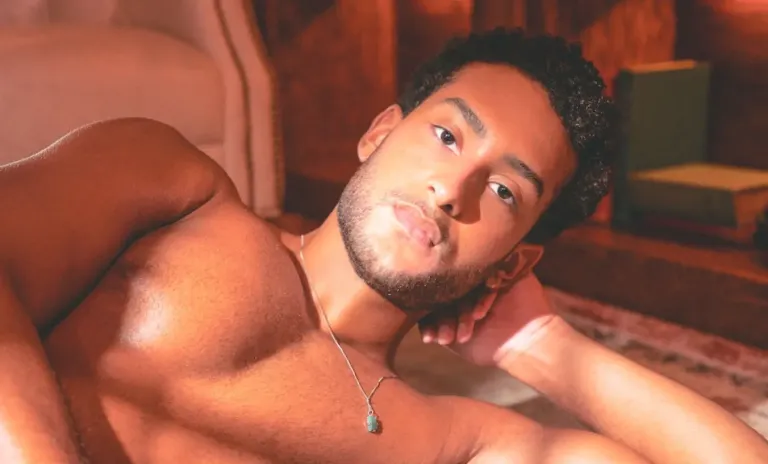
Tyler Posey might be best known as Scott McCall, the werewolf who captured the hearts of MTV’s Teen Wolf fans, but there’s a lot more to him than the supernatural drama that made him a household name. Behind the stunts, the pack dynamics, and the emotional arcs lies a musician, advocate, and actor who has never shied away from being himself. He’s messy, honest, and unapologetically creative.
From his early days in Southern California to fronting bands in Los Angeles clubs, navigating the ups and downs of fame, and championing causes close to his heart, Posey’s journey has always been about finding his voice, and most importantly, making sure it’s heard.

Early Life and Teen Wolf
Born on October 18, 1991, in Santa Monica, California, Tyler Posey grew up surrounded by performance. His father, John Posey, is an actor, which meant Tyler’s childhood was filled with sets, cameras, and scripts.
Posey’s big break came in 2011 when he was cast as Scott McCall on Teen Wolf. The show quickly became a cultural phenomenon, and Scott—a teenager grappling with newfound werewolf abilities—resonated with fans for his vulnerability, courage, and humor. Posey played the role for 100 episodes, an experience that shaped him both on and off-screen.
“I’ve been the biggest fan of Teen Wolf since it happened, since it came out. I just loved everything about it,” Posey told Teen Vogue.
Posey has noted that Teen Wolf was ahead of its time as far as onscreen LGBTQ+ representation, and earned a dedicated following amongst the LGBTQ+ community as a result. “Apart from it being inclusive,” Posey said that the series “didn’t shove the subject down everyone’s throat. It was just natural and normal.”
“It was like what everyday life is like. You’re gay, you’re straight, whatever. These topics weren’t like, ‘Here’s gay! Here’s straight!’ It was all super normal. I think that’s what people really appreciated because we’re all normal,” Posey told Gay Times.
When Teen Wolf ended in 2017, Posey found himself at an unexpected crossroads. He had spent nearly all of his twenties leading a hit television show, surrounded by the same cast, crew, and creative team. The series had been a home, a safety net, and a community. Suddenly, he was on the other side of a defining era.
Post-Teen Wolf, Posey made a conscious effort to explore different corners of the industry. He took on voice acting roles in Marvel Rising and Fast & Furious: Spy Racers, guest-starred on Jane the Virgin, and embraced indie films, where he could experiment with character-driven work. He was also cast in Truth or Dare, a Blumhouse supernatural thriller, and the VH1 slasher series, Scream.

Music and Creative Evolution
While Teen Wolf remains Posey’s most iconic role, music has always been a true outlet for him. “I want to do the Jared Leto thing by pushing both acting and music to the forefront of what I do,” he said in an interview with NME in 2021.
He first came to attention with the band Disappearing Jamie (formerly Lost in Kostko), performing at LA venues like the Roxy, and later played in the pop-punk bands PVMNTS and Five North, exploring personal themes including the passing of his mother. These projects laid the groundwork for his solo work, allowing him to experiment and connect deeply with fans.
As a solo musician, Posey has released emotionally cathartic music that touches on sobriety, personal growth, and self-expression. He released his debut solo EP DRUGS in 2021, and his debut solo album UNRAVEL in 2023. Of going solo he said, “Something in my gut was telling me to take this route. It has freed me up a lot to be really artistic.”
Exploring Identity and Mental Health Advocacy
Posey has been open about his sexuality, as well as the ways he’s explored it publicly. He identifies as sexually fluid and has spoken candidly about navigating relationships, including his current partnership with alt-rock singer Phem, who he married in 2023 and credits as having helped him better understand his place under the queer umbrella. “I’m in the best relationship I’ve ever been in with a woman, and she’s queer too,” he told NME.
Posey has been on the receiving end of his fair share of scrutiny and online harassment, which he’s said pushed him to think more seriously about the mental toll of cyberbullying. Rather than retreat, he began channeling that experience into mental health advocacy, supporting initiatives that encourage honest conversations about emotional wellbeing.
One of those efforts was his collaboration with Seize the Awkward, a national campaign that empowers young adults to check in on their friends and talk openly about mental health. In his video for the campaign, Posey shares the grief of losing his mother to breast cancer and the loneliness that followed, explaining how hard it was to ask for help.
“When I get depressed, I feel like I’m a burden on people,” he says, describing how shutting down only made things worse. He talks about the shift that happened when he finally opened up to friends, saying that they now have “great deep conversations” whenever one of them is feeling low, and how therapy became a lifeline. “I’m a huge fan of therapy,” he adds. “If you recognize that a buddy is struggling—or you yourself are—just do it. You might save a life. It saved mine.”

Sobriety, Growth, and Opening Up
During the pandemic, Posey experimented with sobriety and spoke candidly about it on Variety’s Just for Variety podcast. “There was a moment where it got a little scary and I felt like I needed some help,” he said. He explained that he’d been using substances since his early teens: “Since I was about 14 years old, I’ve stunted my mental growth…dealing with it with weed or drugs or booze.”
Sobriety, even temporarily, shifted something for him. “The time that I was sober, I felt like it kick-started me growing up and sped up the process of me growing up and dealing with the stuff that I haven’t been dealing with forever.”
Posey is open that he’s “technically not sober anymore,” but the break taught him what he needed to learn. “I definitely really wanted to break these habits that I had,” he said. “I never really considered myself an alcoholic. I just always viewed myself as a lazy pothead.”
In the same podcast interview, he also addressed the headlines about his sexuality that came after he spoke about being with men. “The kids, the fans, or whoever wrote those articles labeled that,” he said. “I thought that was really interesting…it just broke down this wall…it was easier for me to just be honest about all that stuff.”
What’s Next?
Posey is currently preparing for his feature directorial debut, an indie horror-thriller called Sober House, which he co-wrote and will also star in, according to Deadline. The film, set to shoot in early 2026, follows three addicts who check into a secluded sober living facility, only to discover one resident is a recovering serial killer wrestling with a different kind of relapse.
Posey has said the project is “years in the making” and deeply connected to his own experiences with addiction and recovery. “My approach is to highlight the grounded buddy comedy tone, inspired by the American Pie days, and flip that on its head in a way that feels familiar and new at the same time,” he told Deadline. The film will be produced under his new banner, Pocket Full of Posey Entertainment, marking a major expansion of his creative footprint.
And of course, he’s not done with Teen Wolf (neither are we!). Posey revealed that he has written a full sequel to Teen Wolf: The Movie. He says the script is “really cool” and “the concept is amazing.” Whether it becomes a second film, a third film, or a revived series, Posey is determined to make it happen. “I was the leader of the cast. Now I want to be the leader for the entire project,” he told People. “I feel like I know what the fans want, and I want to deliver it.”