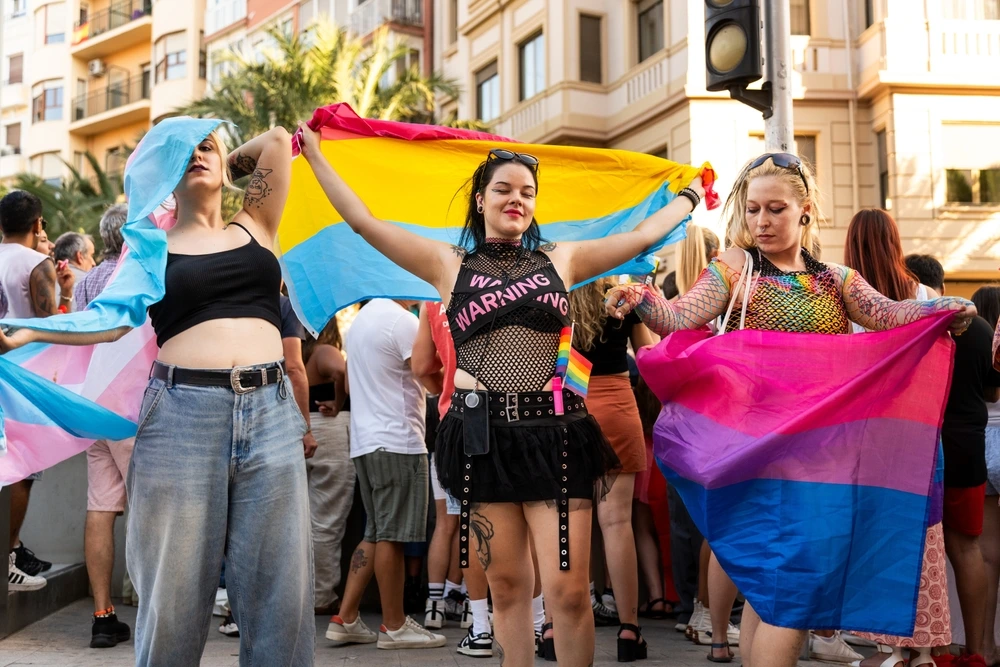
In recent years, conversations around sexual orientation have grown more inclusive and nuanced, reflecting a broader understanding of human attraction. Among the many identities gaining recognition is pansexuality, a term that often sparks curiosity and sometimes confusion. But what exactly does it mean to be pansexual? How does this identity fit within the spectrum of attraction, and why is it important to understand it in today’s society?
Pansexuality is more than just a label; it represents a way some people experience attraction that transcends traditional gender boundaries. According to sociologist James S. Morandini, pansexuality “denotes sexual or romantic attraction to people regardless of their gender expression (masculinity or femininity), gender identity, or biological sex.” This inclusive definition helps clarify misconceptions and highlights the fluidity of attraction beyond binary categories.
Understanding pansexuality is essential not only for those who identify with the term but also for allies and anyone interested in the diverse ways people connect. This article explores the meaning, history, and cultural significance of pansexuality, supported by recent studies and expert insights.
The Definition and Meaning of Pansexuality
At its core, pansexuality refers to the capacity for attraction to individuals regardless of their gender identity or biological sex. Unlike bisexuality, which traditionally implies attraction to two or more genders, pansexuality explicitly rejects the gender binary altogether, embracing attraction to people across the entire gender spectrum.
This distinction is subtle but meaningful. A 2019 study published in The Journal of Sex Research found that pansexual and bisexual individuals often report similar patterns of attraction and behavior, but pansexuality emphasizes an openness to all gender identities without limitation. This can include cisgender, transgender, non-binary, genderqueer, and other gender-diverse people.
Such an inclusive perspective challenges conventional frameworks of sexual orientation and encourages a broader understanding of human desire. The term itself helps individuals articulate their experiences in ways that feel authentic and affirming.
For those interested in a deeper dive into the nuances of pansexuality, Sociologist James S. Morandini’s explanation offers valuable clarity on how pansexuality encompasses attraction beyond gender categories. Furthermore, the visibility of pansexuality has grown in recent years, with representation in media and popular culture becoming more prevalent. Characters in television shows and films are increasingly depicted as pansexual, allowing audiences to see diverse expressions of love and attraction that defy traditional norms. This representation not only fosters understanding but also provides validation for those who identify as pansexual, helping to normalize their experiences in society.
Moreover, the conversation surrounding pansexuality often intersects with discussions about gender identity and fluidity. Many pansexual individuals advocate for a more inclusive dialogue about gender, emphasizing that attraction is not solely based on physical attributes but also on emotional and intellectual connections. This perspective encourages a more holistic view of relationships, where the essence of a person transcends societal labels, allowing for deeper connections that are based on mutual respect and understanding rather than preconceived notions of gender roles.
Historical Context and Emergence of Pansexuality
Pansexuality as an identity term emerged relatively recently in the early 1990s, though the experiences it describes have existed for much longer. According to an article in The Sage Encyclopedia of LGBTQ+ Studies, pansexuality was coined to describe desires that defied traditional sexual identity labels and to deconstruct rigid ideas about attraction and gender.
This historical context is important because it situates pansexuality within the broader LGBTQ+ movement, reflecting evolving understandings of sexuality and gender. It also dispels the myth that pansexuality is a passing trend or “new fad,” a misconception addressed by organizations like Stonewall UK, which notes that the term has been included in the Oxford English Dictionary since at least the early 1900s.
By acknowledging pansexuality’s roots and ongoing presence, society can better appreciate the diversity of sexual identities and the importance of language in shaping personal and collective experiences.
Moreover, the emergence of pansexuality coincided with significant cultural shifts, including the rise of the internet and social media, which provided platforms for marginalized voices to share their experiences and connect with others. This digital revolution allowed for a more nuanced understanding of sexual orientation, enabling individuals to explore and express their identities in ways that were previously constrained by societal norms. Online communities have fostered discussions around pansexuality, helping to create a sense of belonging and validation for those who identify outside of traditional binaries.
Additionally, the visibility of pansexuality has been bolstered by representations in popular culture, where characters and public figures openly identify as pansexual. These representations challenge stereotypes and promote acceptance, illustrating that attraction can transcend gender and that love is multifaceted. This cultural visibility not only educates the broader public but also empowers individuals to embrace their identities without fear of stigma, further enriching the tapestry of human experience.
Who Identifies as Pansexual? Demographics and Trends
Understanding who identifies as pansexual helps illuminate the identity’s growing visibility and significance. A 2017 survey by the Human Rights Campaign found that 14% of LGBT youths identified as pansexual, a notable increase from 7% in 2012. This doubling indicates a rising awareness and acceptance of pansexuality among younger generations.
Interestingly, a 2017 study published in The Journal of Sex Research found that pansexual and queer identities are more commonly adopted by transgender individuals—over 60%—compared to cisgender individuals. Among cisgender people, queer and pansexual labels are more frequently embraced by women (approximately 17%) than men (around 4%). These patterns reveal how gender identity and societal factors influence the adoption of sexual orientation labels.
However, it is important to note that recent data revisions have affected the reported numbers of pansexual individuals. For example, in November 2023, the Office for National Statistics in England and Wales corrected a data coding error that reduced the count of pansexual-identifying individuals from 112,400 to 48,000. This correction highlights the challenges in accurately capturing sexual orientation data and the need for careful interpretation of statistics.
For those interested in the evolving demographics of pansexuality, the Human Rights Campaign survey offers a detailed snapshot of youth identification trends, while the Office for National Statistics update provides insight into data complexities.
Moreover, the rise in pansexual identification can also be attributed to the increasing visibility of pansexuality in popular culture and media. Television shows, movies, and literature have begun to portray pansexual characters and storylines, allowing audiences to see diverse representations of love and attraction. This representation plays a crucial role in normalizing pansexuality and encouraging individuals to embrace their identities without fear of stigma.
Additionally, social media platforms have become vital spaces for pansexual individuals to connect, share experiences, and foster community. Hashtags like #PansexualPride and #PansexualVisibility have gained traction, creating a sense of belonging among those who identify as pansexual. These online communities not only provide support but also serve as platforms for advocacy, raising awareness about the unique challenges and experiences faced by pansexual individuals in society.
Common Misconceptions and Clarifications
Despite increasing awareness, pansexuality is often misunderstood. One common misconception is that pansexuality is a “phase” or a trendy label that people adopt without genuine experience. This misunderstanding can invalidate the identities of those who genuinely feel pansexual. Many individuals who identify as pansexual have spent considerable time exploring their feelings and attractions, often coming to this realization after a journey of self-discovery that includes understanding their own emotional and sexual preferences.
Stonewall UK addresses these misconceptions by emphasizing that pansexuality is a legitimate and longstanding sexual orientation. It is not a new invention but rather a term that helps people express a specific kind of attraction that has always existed. Recognizing this helps foster respect and reduces stigma. The history of pansexuality can be traced back through various cultures and communities, where individuals have expressed attraction beyond the gender binary long before the term became widely recognized. This historical context is crucial for understanding the depth and validity of pansexual identities.
Another misconception is that pansexuality means attraction to “everyone” indiscriminately. In reality, pansexual individuals experience attraction selectively, just like anyone else; the key difference is that their attraction is not limited or defined by gender. This nuance is important for understanding pansexuality beyond stereotypes. Many pansexual individuals articulate that their attraction is often based on emotional connection, personality traits, and shared interests rather than solely on physical characteristics or gender identity. This perspective highlights the complexity of human attraction and the importance of individual experiences.
For a comprehensive overview of these common misunderstandings, Stonewall UK’s resource offers clear explanations that help dispel myths and promote acceptance. Additionally, engaging with personal narratives from pansexual individuals can provide valuable insights into their lived experiences, showcasing the diversity within the pansexual community and emphasizing that each person’s journey is unique. Understanding these personal stories can further enrich the conversation around sexual orientation and foster a more inclusive society.
The Importance of Visibility and Research on Pansexuality
Pansexuality remains an underrepresented topic in sexology and sexual identity research. Sexuality researcher Christopher K. Belous highlights the need for more studies to better understand pansexual experiences and challenges. Increasing visibility and academic attention can help validate pansexual identities and improve support systems. The lack of comprehensive research often leads to misconceptions about pansexuality, which can perpetuate stigma and marginalization within both academic circles and society at large. By fostering a deeper understanding of pansexuality, we can create a more informed public discourse that respects and acknowledges the nuances of this identity.
Research also shows that pansexuality intersects with other identities, such as transgender status, in complex ways that deserve further exploration. As more people openly identify as pansexual, the demand for inclusive education, healthcare, and community resources grows. This intersectionality highlights the importance of recognizing how various identities can shape an individual’s experiences and needs. For instance, pansexual individuals who are also part of the transgender community may face unique challenges in navigating both societal expectations and personal relationships, emphasizing the necessity for tailored support systems that address these complexities.
Greater visibility can also combat erasure and misunderstanding, fostering environments where pansexual individuals feel seen and respected. This progress benefits not only pansexual people but the broader LGBTQ+ community by promoting inclusivity and diversity. Educational initiatives that include discussions on pansexuality can help dismantle stereotypes and encourage allyship, creating spaces where all sexual orientations are acknowledged and celebrated. Furthermore, visibility in media representation can play a crucial role in normalizing pansexuality, allowing individuals to see themselves reflected in various narratives and fostering a sense of belonging.
For those interested in the ongoing research and expert perspectives, the article on pansexual identity normalcy provides valuable insights into why this area deserves more attention. It delves into the historical context of pansexuality, exploring how cultural shifts have influenced the recognition and acceptance of this identity over time. Understanding these dynamics can empower advocates and allies to push for more inclusive policies and practices that honor the diversity of human sexuality.
Conclusion: Embracing the Spectrum of Attraction
Pansexuality challenges traditional notions of attraction by embracing a spectrum that includes all genders and expressions. It is a valid and meaningful identity that reflects the complexity of human desire and connection. Understanding pansexuality helps create a more inclusive society where everyone’s experiences are acknowledged and respected.

As awareness grows, so does the importance of accurate information and compassionate dialogue. Whether you identify as pansexual or simply want to learn more, recognizing the diversity of attraction enriches our collective understanding of love and identity.
By exploring the history, definitions, demographics, and common misconceptions surrounding pansexuality, this article aims to provide a comprehensive and respectful introduction to a vital aspect of the LGBTQ+ spectrum.