Queer storytellers are showing up everywhere right now, and not just in the spaces people usually expect us to be. We’re writing romance, comedy, thrillers, sci-fi, and yes, horror too, telling the stories we actually want to tell without feeling like every project has to center queerness to still come from a queer point of view.
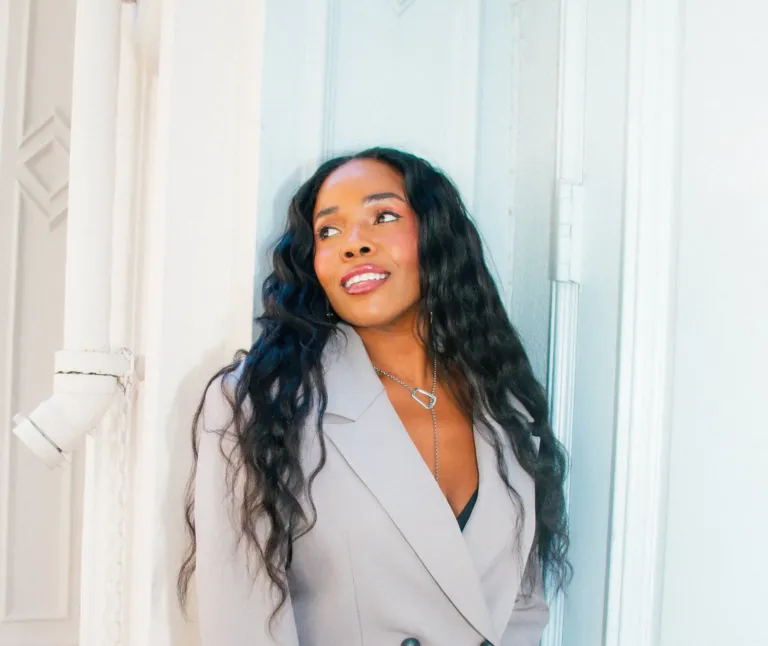
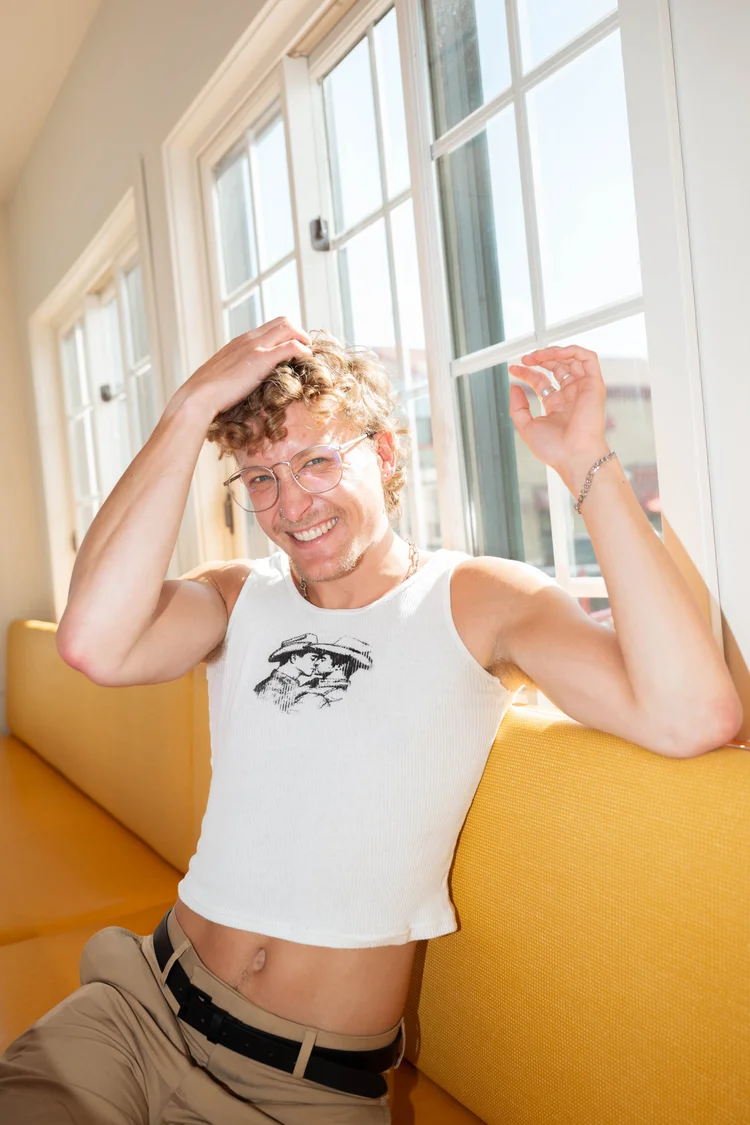
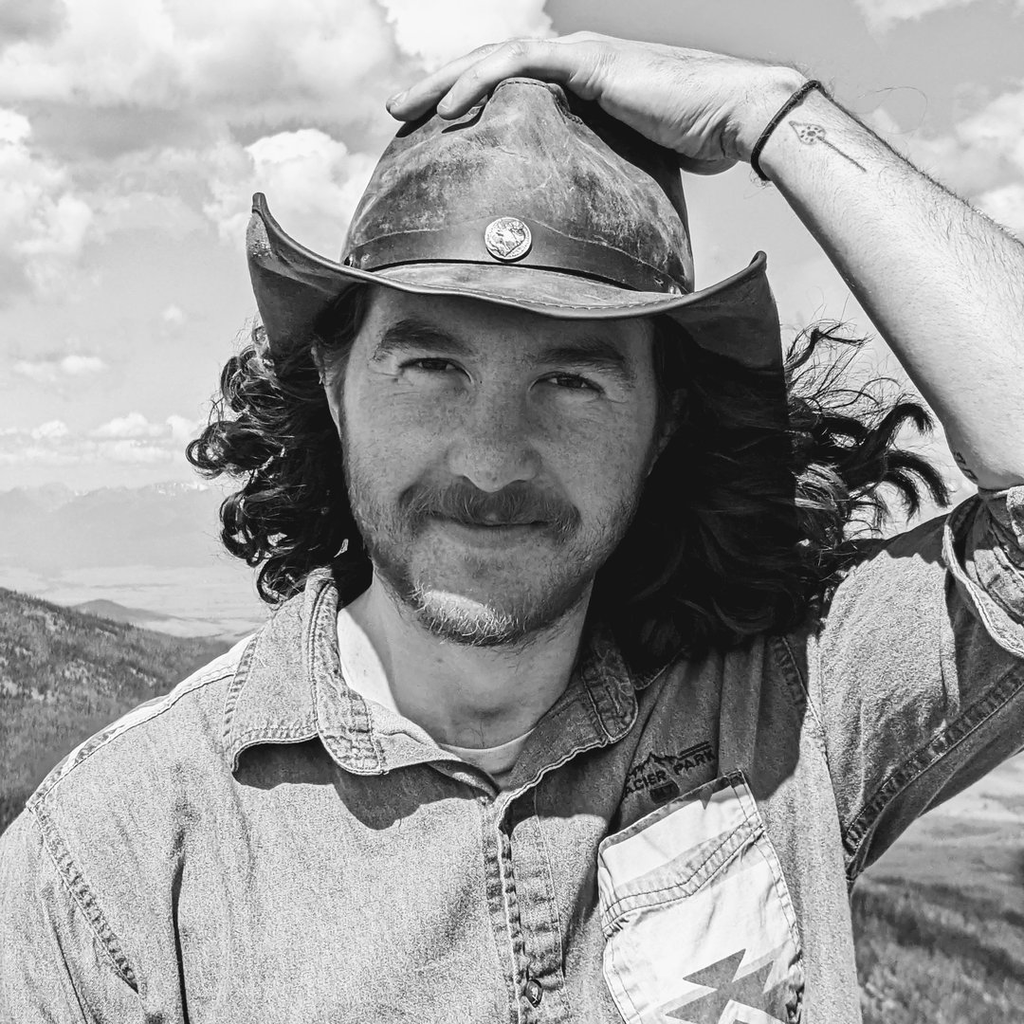
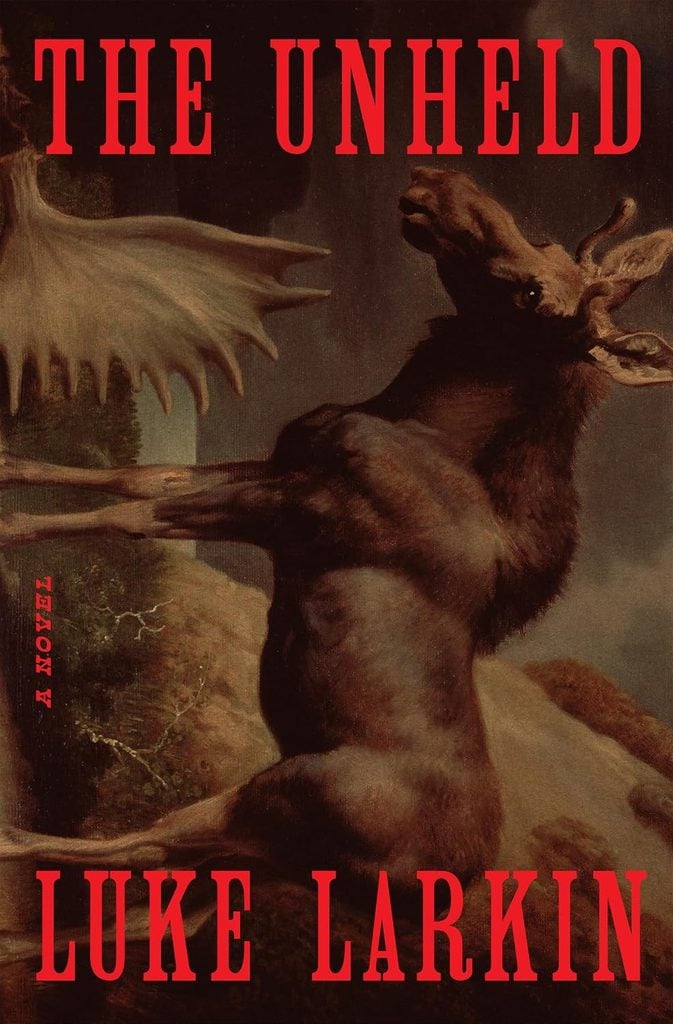
Luke Larkin is part of that wave. His debut novel, The Unheld, is an atmospheric horror Western that digs into loneliness, family, belonging and survival. The book itself isn’t an LGBTQ+ story, but Larkin’s perspective as a queer writer still matters, especially in a genre that continues to open up to voices and experiences that haven’t always been given the same room.
I spoke with Larkin about stepping into horror with his first novel, finding his voice as a writer, building community through storytelling, and why queer authors should be able to take up space in every genre, without being boxed into telling just one kind of story.
So.Gay: The beast feeds on loneliness, but Charlie defeats it by allowing it to experience connection. Were you interested in writing loneliness as something that can both victimize a person and turn them into a threat to others?
Larkin: Hit the nail on the head. I was really interested in loneliness as it hurts us and how we turn around and hurt others. It’s a historical Western novel and so it’s not modern day, but I was thinking about a lot of modern day perspectives. Loneliness is a monster in itself and it kind of lures you in and it calls to you. It’s so easy to feel lonely and be lonely for so many valid reasons today, but it’s also so easy to kind of lean into that loneliness and let it make you into something that you don’t want to be and you don’t want to be for other people. So, that’s kind of the allure of the monster in the novel.
So.Gay: Hands can represent comfort, memory, possession and violence throughout the book. When did you realize the entire emotional architecture of the novel could be built around that one body part?
Larkin: I mean, the hands say it all. They’re kind of the main vector for how so many of us interact with the world. We reach and we touch and we grab and we take and we hold. A lot of it was myself feeling lonely and feeling untouched and unheld in the time I was writing it. I was like, at your loneliest, at your most isolated, sometimes all you want is just like a handshake, someone to touch you, because that is how you feel. Hands became a blunt metaphor for just connection and reaching out and getting to know people.
So.Gay: Theodore describes burying Lawrence’s hand as “a retrieval,” not another loss. Were you exploring how grief can sometimes trap us inside the way someone died and obscure how they actually lived?
Larkin: Absolutely. So many incredible people have passed on lately. Most recently for me, Wendell Berry, who is an incredible poet. He has a poem called Meeting, about a dead friend. He talks about how actually his friend isn’t the one who’s changing. He’s the one who’s changing. He asks his dead friend how he’s good at doing, and his friend goes, I’m doing great. It’s fitting that he passed so recently, because I was thinking about that as I was writing the book. With Theodore in particular, when he buries the sand where a lot of grief entails, dragging the dead and the long gone with us into the future and into the present, when actually who we’re dragging isn’t always the same person that we knew or that we thought they were. It’s sort of this construction of them that we have in our heads that we keep around to comfort us. Theodore lost someone and he’s not willing to let them go. He’s not ready to say goodbye. He chases their ghost, their specter, across an ocean and to America and to try to find them. But when he’s finally ready to move on and bury this hand, he rediscovers that this person in his head that is haunting him is not the real person he knew. He can only get back to that real person he knew, but by letting them be who they were before they died and letting them go and living his own life so that he wasn’t just keeping them around chained to him.
So.Gay: Theodore wants to document everything, while Paveameohtse accepts that some things resist explanation. Is the novel skeptical of our need to turn every mystery or every trauma into something legible and provable?
Larkin: I think yes, while at the same time acknowledging that those mysteries and those traumas have very real and observable effects on us. So where Theodore is kind of obsessed with studying and recording everything and getting to the bottom of things, Paveameohtse has a more concrete and grounded mission. I let other characters kind of worry about the actual metaphysics of the horror and the supernatural element, and I let Paveameohtse kind of navigate the actual consequences of the whole thing.
So.Gay: Charlie refuses to let Theodore cast himself as either her savior or her victim. Was it important that their chosen-family relationship begin with the recognition that they had already saved each other?
Larkin: That’s a great question. I think it was important to me that no family or community dynamic in the book is, like, perfect or peachy or pristine. Charlie’s a feral child who’s been neglected by her father. I think it would be kind of dishonest for her to be a character where another character comes along and just, like, saves her and everything’s great, and he shows her a brand new world. As a young girl coming of age in a brutal landscape and a brutal time, it’s up to her to figure things out and to figure out her allies from her enemies, which isn’t always easy for her.
So.Gay: Charlie’s understanding of her father doesn’t necessarily excuse him. What distinction were you trying to draw between forgiving someone, absolving them and simply refusing to carry their damage any longer?
Larkin: I think that relationship in particular was really important to me, writing the book, because I didn’t want it to resolve neatly. I didn’t want there to be total forgiveness. The reality of living among other people and connecting to other people and getting along with other people is understanding. Even if they’ve hurt you, even if they’ve done you wrong, even if you hate them, love runs deep. If you’re going to live side by side with someone, you have to understand them and you have to come to some place of understanding.
So.Gay: Charlie receives the apology she has needed all her life, but it arrives too late to change that life. Did you want to challenge the idea that an apology automatically creates forgiveness or closure?
Larkin: An apology, I think when it means anything at all, is not a fix or a solution. It’s a peace offering. I did those things in the past, and now, here and now, I am willing to say that I made a mistake, and I don’t know what happens now. I can’t undo everything I did before, and this apology doesn’t help it. What I’m offering is a peace offering, a way to say I’m ready to move forward and try whatever I can to fix this, because I understand what I did in the past. Understanding yourself and understanding the other person moving forward with it. It’s that the value in an apology for me is not absolution or redemption. It’s just this is the person I am now. If the book is about connection and understanding and empathy, I couldn’t have her father, the object of her hatred and scorn, die without a little moment of understanding. Sometimes all you have is the words, and it sucks.