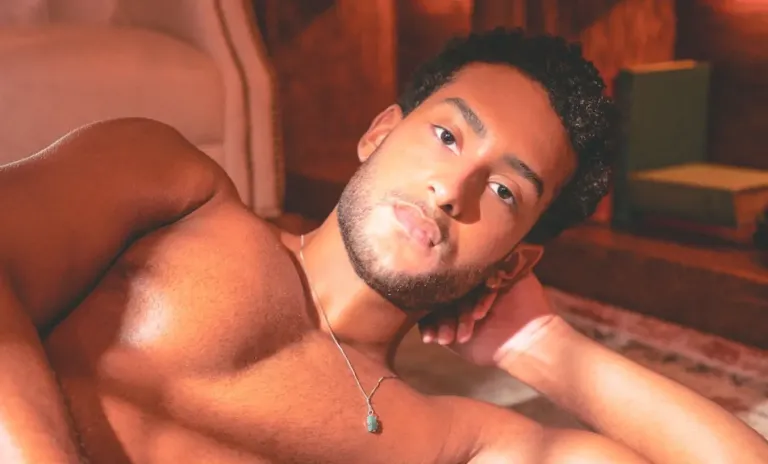
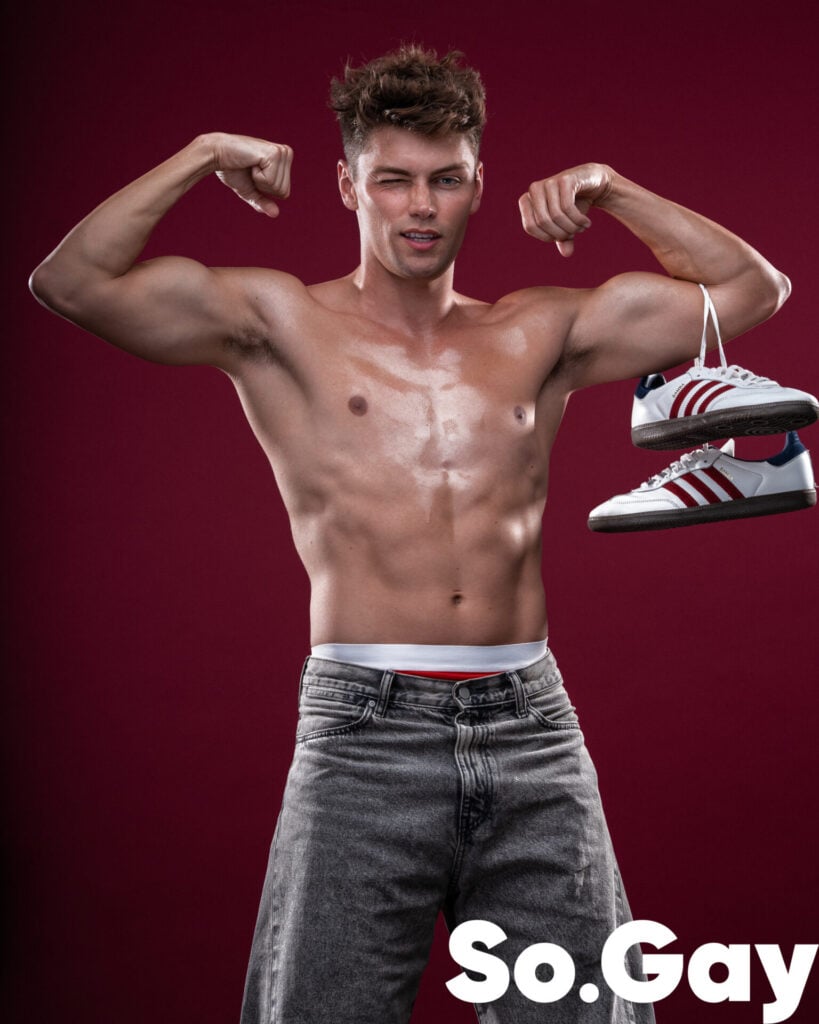
28-year-old track phenom Trey Cunningham is hurdling into the spotlight, bringing more much-needed gay representation into the sports world as one of the only out athletes competing at his level.
Two years since first coming out in a New York Times profile back in 2024, Cunningham has really hit his stride. So far, 2026 has been a banner year for the Alabama native, who joined an elite crop of athletes fast enough to complete the 110m hurdles in under 13 seconds while competing at the Golden Gala Diamond League meeting in Rome back in June.
Not only did he best his own personal record with that sub-13 performance, but one held at the event for 27 years by the great Allen Johnson since 1999.
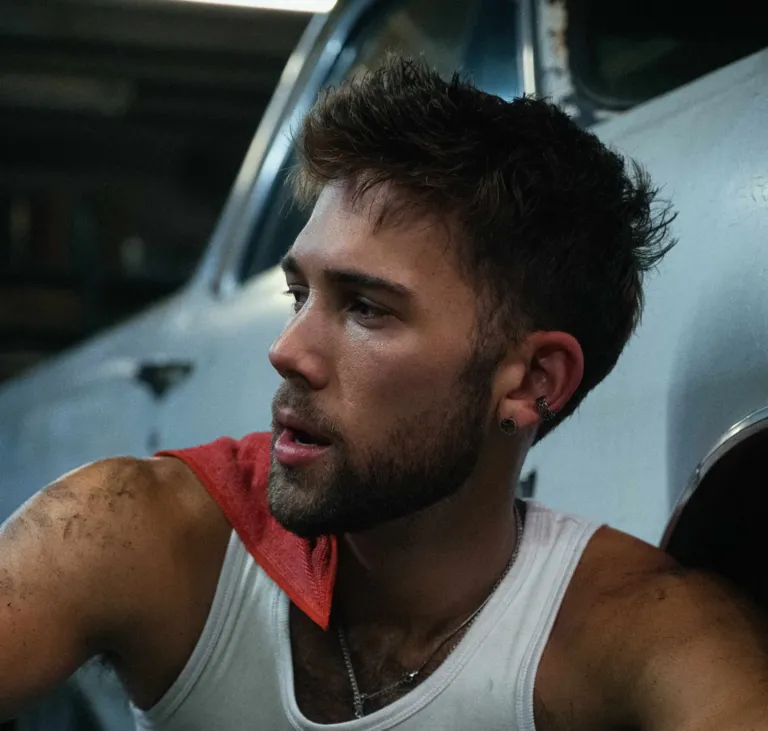
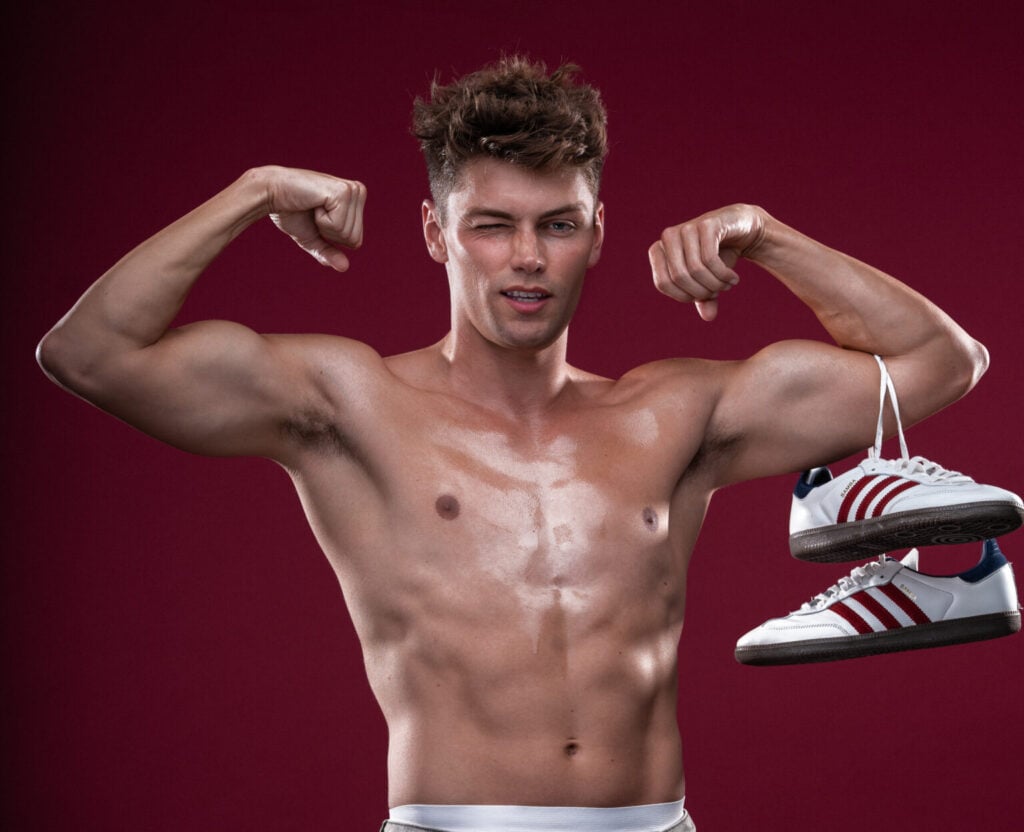
And did we also mention he’s hot? Not only have his good looks sparked his nickname as track’s “Lover Boy,” but they also landed him a contract with Ford Models.
So.Gay’s Brian Particelli recently spoke with Cunningham about his recent successes, how life has been for him since coming out, and what the future holds as he runs towards his next chapter.
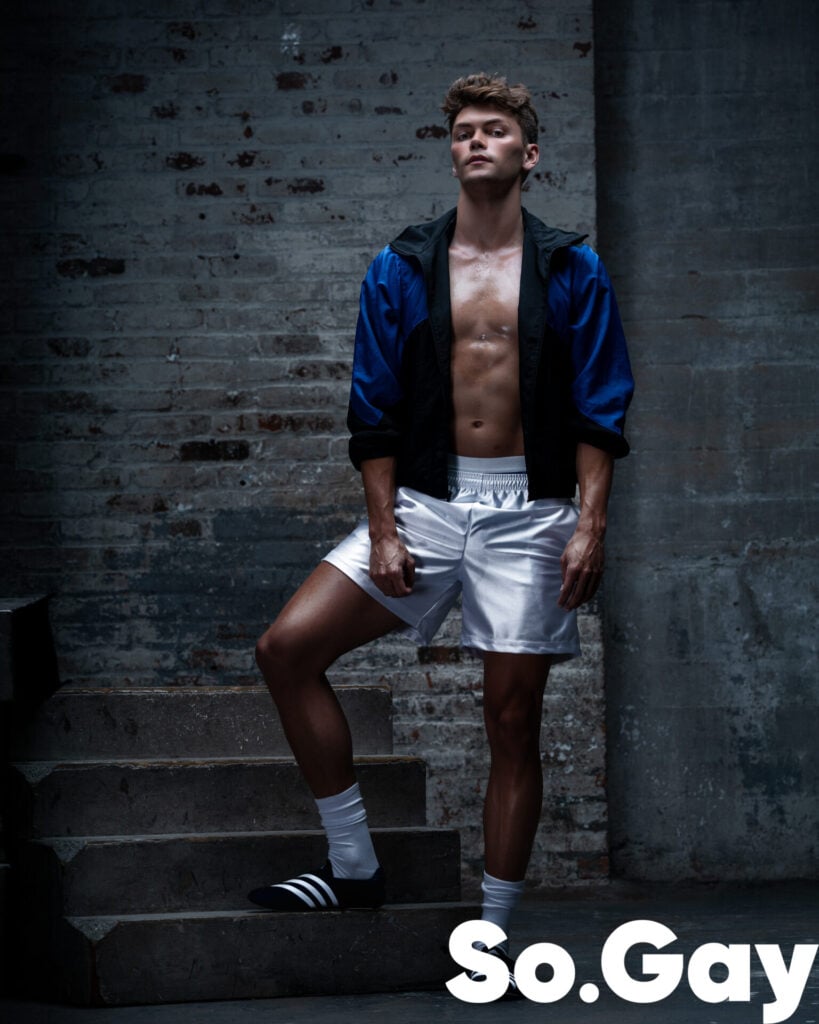
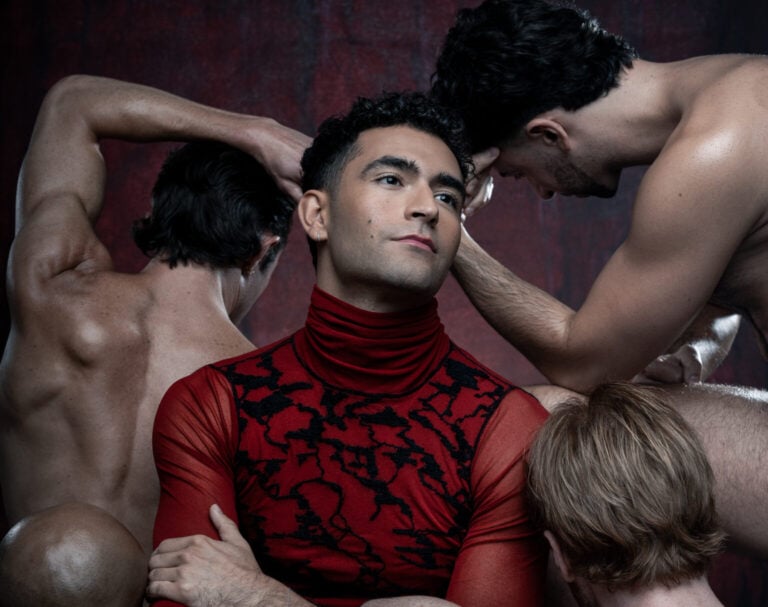
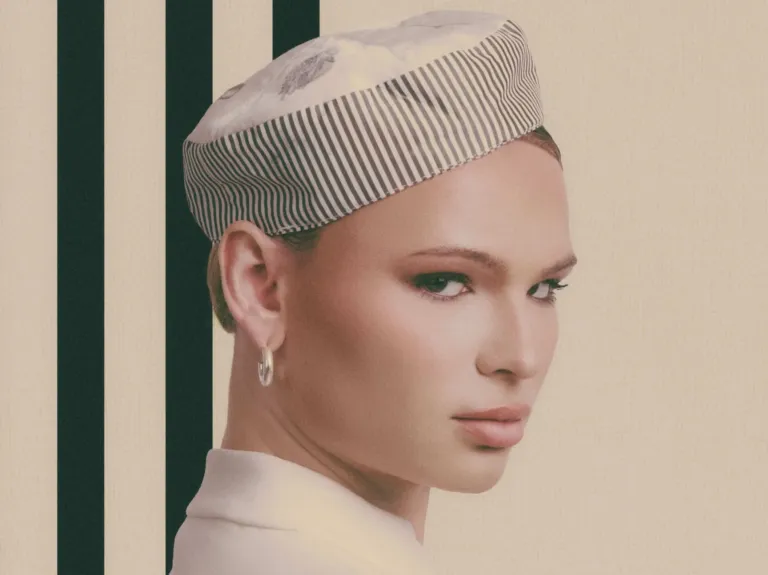
So.Gay: Thank you for speaking with me today. I saw the photos that you took — they came out great! I know you’re no stranger to modeling, but just what was that experience like for you and for doing it for a queer publication like So.Gay?
Trey Cunningham: I mean, it’s a little bit different than what I’ve done, actually. Most of my stuff is kind of more serious, not as fun-looking, I would say. We got to play around with this one a little bit.
So.Gay: How do you feel about being dubbed track’s “Lover Boy”? It’s a nickname I’ve seen pop up a few times now. What does some of that playful objectification and social media commentary that comes with it mean to you?
Trey Cunningham: Someone has to be the ‘Lover Boy.’ Why not me? I’ll take it. You know, I think the sport needs something besides just the times and our name on our bib. That’s how a lot of people see it. And so, if this is pushing the sport forward, I’m happy to be ‘Lover boy,’ whatever I need to be.
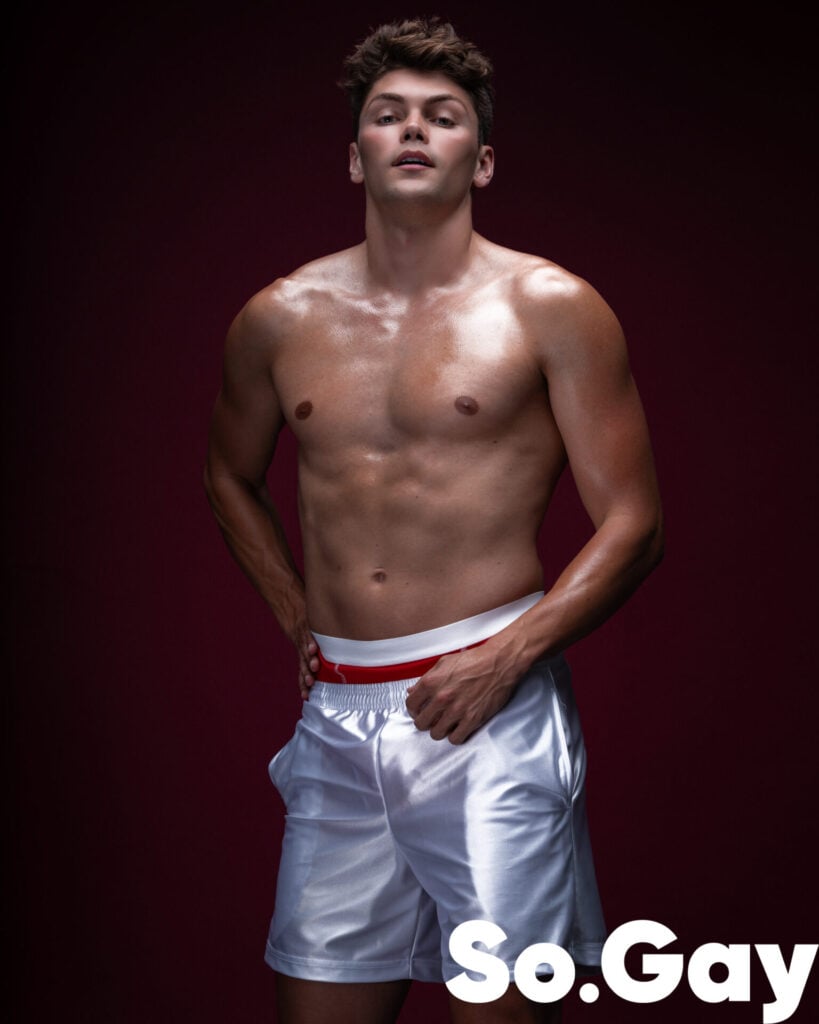
So.Gay: Good answer. And I know you recently had your personal best for the hurdles in Rome back in June. Congratulations on that. What did that accomplishment mean to you? I know you also beat a 27 -year record in the process, so that’s just incredible.
Trey Cunningham: I can put it into perspective. I don’t know how much you know about track or how familiar you are with track, but going under 13 seconds is kind of like a legendary benchmark, per se. So, it’s kind of awesome to join that group of people that have done it. I mean, there’s only been, I think, 34 people now in human history that have ever done it. And to do it as a season opener, that was pretty awesome. And to take down the legendary Allen Johnson, I mean, that’s always a fun thing to do. Records are meant to be broken, but it stood for a while, because Rome is a pretty early meet, and I don’t think anyone had ever gone that fast.
So.Gay: And just what does that do for you going forward? Are you now trying to always beat that time again?
Trey Cunningham: Yeah, unfortunately, I am someone who always likes to push the envelope. I would say I am happy with the result, but I’m never truly satisfied. I was like, ‘Oh, I could have gone faster. I could have done this differently.’ And I think that’s a testament to me as a competitor. I love to compete. So I’m always okay if I get the win. It doesn’t matter how slow the win is, I’ll take the win. But if it’s a really fast time, I’m excited, we’re happy, we’re celebrating, and then we’re getting on the track probably two weeks later to do it again.
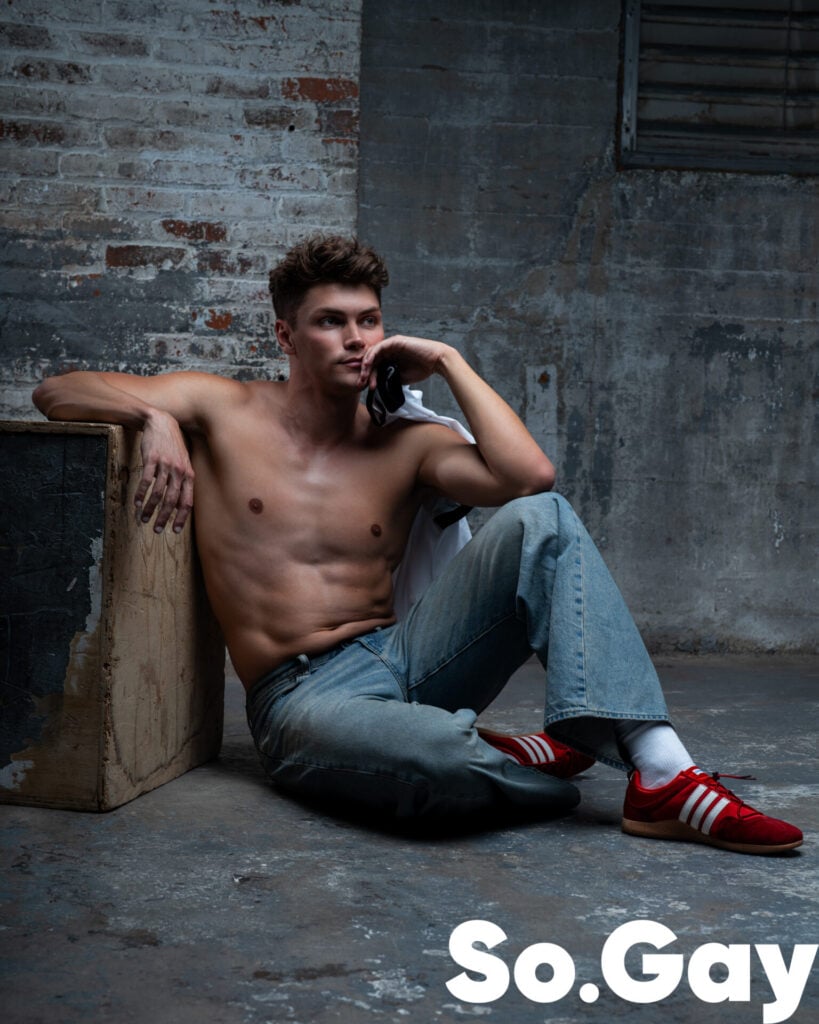
So.Gay: Just go, go, go! I know you’ve talked about experiencing burnout in the past, and even wrote a thesis about it. How do you avoid falling into that trap? When you have these recent highs, that must help, but then what do you do on those days where you do feel a little off?
Trey Cunningham: You know, my research was more so with, like, does personality predict burnout? It does, but to an extent. It wasn’t as big as I thought it was gonna be. And a lot of other things play into that, and I’m lucky enough that I’ve got a support system that I really trust, and I have a coach that I absolutely adore, and think that he’s pushing me in the right direction. I think most of the burnout is from just this culmination of, like, there’s too much demand.
It’s really just an overload of the system, there’s too much life stuff happening all at once.
Maybe you’re not an individual outside of your sport, so the sport’s all-consuming. There’s a lot of factors involved.
So I think I was a little overworked, trying to figure out who I was, what is my identity. And I feel like most of my identity was taken up by track. I didn’t, at the time, think anything else was important. But as I was getting older, we’re changing, I had to find out other things about myself.
So.Gay: It’s always big news when an athlete comes out as gay, just because there is such a lack of representation in the sports world in general. With your coming out in 2024, what did that mean to you at the time, and were there concerns beforehand, or were you just ready to go?
Trey Cunningham: Of course I was concerned. I don’t think anyone has done it in my sport at the time that was actively participating at this level. There’s always the ‘What if?’ There’s always that question in the back of your head, and for something like being gay in a place where I grew up, that ‘What if?’ was a little bit louder, because I was told, “This is not okay,’ my whole life.
So that fear of the unknown was my only issue. But I did it because I didn’t want any other kid to be like me and have to worry about, ‘What if? Am I gonna be okay?’ Yeah, it’ll be okay.
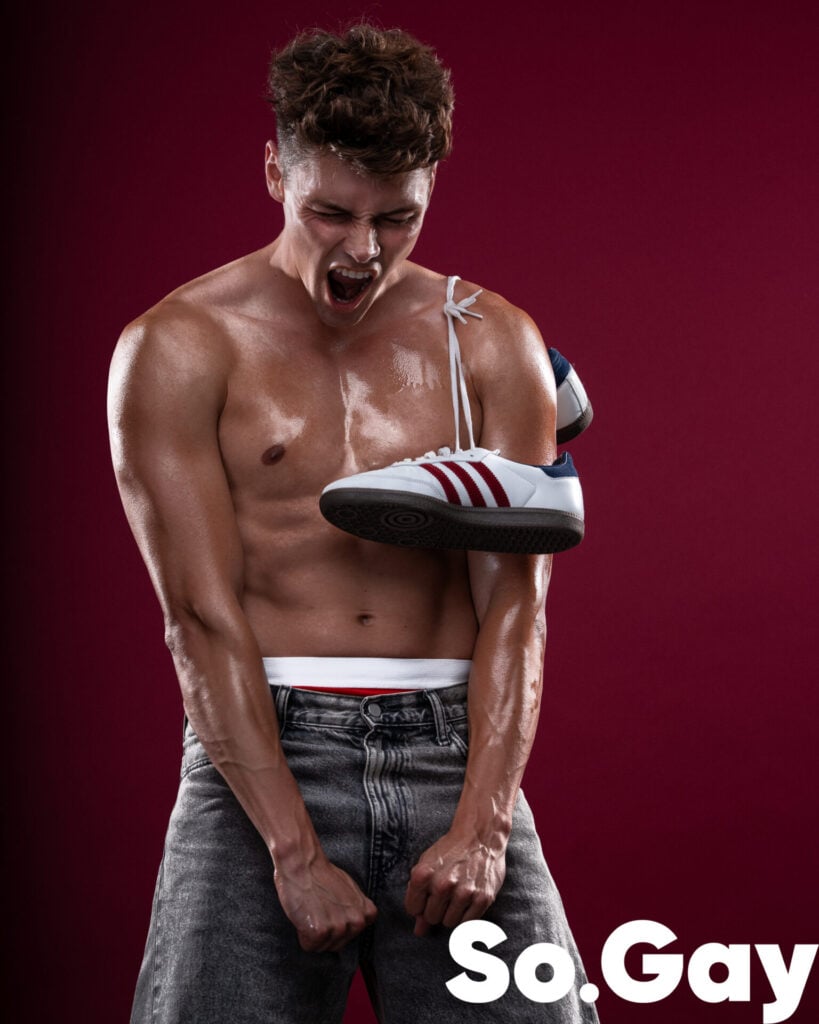
So.Gay: And once your coming out did go live, just what was the immediate reaction?
Trey Cunningham: I was so nervous. I was actually on the plane to Budapest when it went live and I landed, and my agent sent me, ‘Hey, the article’s out.’ I just remember being in full body shock, flushed, didn’t really know what it was gonna say, didn’t know what the reception was gonna be of it, and it took me forever to read it.
I think it took me 2 or 3 hours to read it. I finally just opened it. I was like, ‘Okay, I’m reading it.’ I told [my agent], I was like, ‘Hey, I haven’t read it yet.’ And he’s like, ‘You should. It’s very well done. It’s in your voice. It’s a beautiful story.’ So, I finally read it, and I was like, ‘Oh, this is actually really, really good.’ So yeah, that was the initial initial reaction.
So.Gay: You just mentioned that you kind of want to be the role model that you didn’t have yourself. Have you had any meaningful interactions with the younger generation since coming out? What has the reception been like that you’ve seen?
Trey Cunningham: You know, the younger kids really don’t care if I’m gay. They’re like, ‘Oh, cool, okay.’ It was more so the people I was not expecting to support me. I had a lot of people reach out from where I’m from. They’re like, ‘You don’t know what this means to all these people in this community, just to see someone like you, that’s able to just stand on his two feet and just say, ‘Hey, this is me, I’m from here, and that’s it.’’
I think it means a lot more to some of the older gay people that follow track and field, that are sports fans. Just simply because, even for me growing up, there weren’t any openly gay athletes. And I watched this era of people being able to be out and just live their lives. They don’t even have to come out, basically, anymore if they don’t want to. They can just go out to dinner with her boyfriend and move on with life And so I think it’s more of a big deal for the older fans and the people that follow the sport.
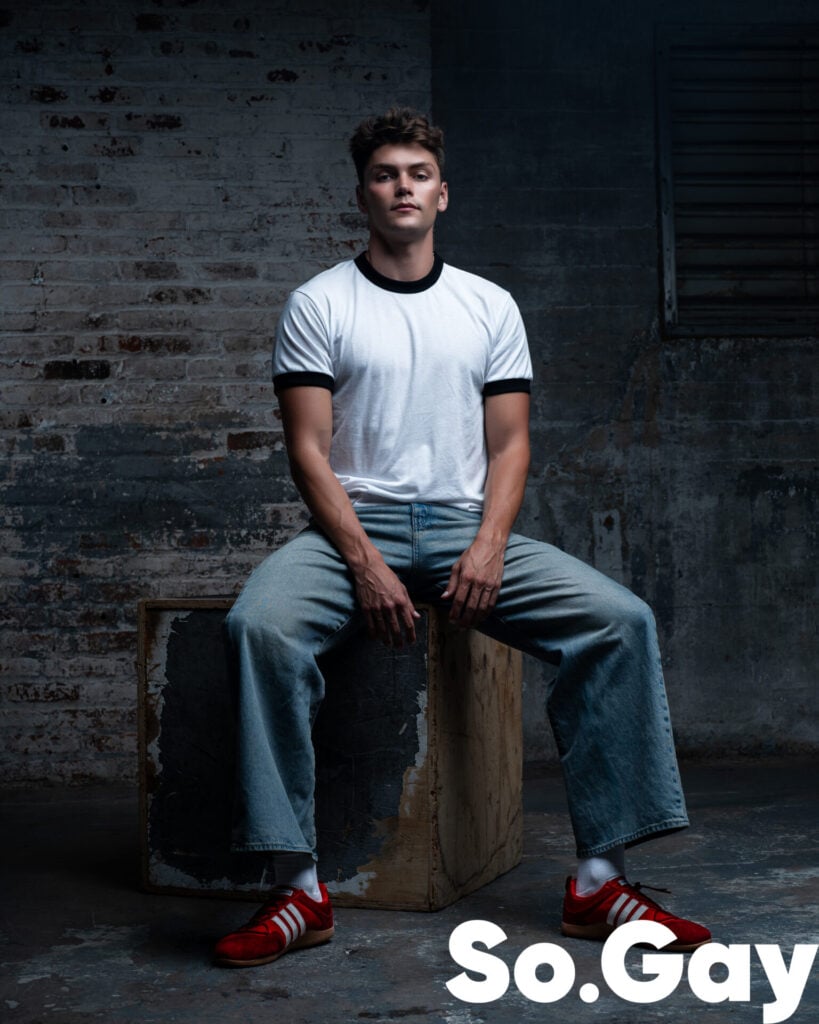
So.Gay: It is kind of like being part of an exclusive club because there really aren’t that many out athletes. There aren’t a lot of big name members. I know, obviously, you do have a friendship with Tom Daley, but even outside of that, what is the community like?
Trey Cunningham: On top of being a professional athlete, the world is very small. Yeah. And then, if you want to categorize it even more, like gay and out while you’re competing, it’s tiny. On one hand. So it is kind of a club, but, I mean, not really, because like I was saying earlier, the kids don’t care nowadays.
I’m kind of a part of that generation still. I say there’s a difference: You went to high school before COVID, or you went to high school after and during COVID, those are different people. Two totally different types of people. It’s just not an issue. We see each other, like, ‘Oh, how’s your boyfriend?’ It’s really a non-starter, it’s just more so, like, ‘Oh, you’re part of the community. Hi.’
So.Gay: And now, can you talk a little bit just about balancing your athletic achievements, but also your modeling career? Is it hard to strike that balance? Because it does feel like two different worlds.
Trey Cunningham: Oh, they’re two entirely different worlds. One’s very objective, one’s subjective. It’s not very hard to balance. I think I have a really good team around me, they manage it really well. They understand what I really want to do, and what I love to do, is fling myself at these hurdles at a high rate of speed. So they let me do that.
And when I can, we can fill in the schedule with some modeling stuff. I like both. I mean, one of them, it takes my mind off the other one. So I think they’re both helpful to my career.
So.Gay: For the people that do maybe follow you for your athleticism, what’s their reaction when you post modeling photos?
Trey Cunningham: I don’t know, I feel like I have three separate crowds [of followers]. Okay, there’s Trey fans, there’s track fans, and then there’s the gay fans.
So.Gay: Which ones are the loudest?
Trey Cunningham: The gay fans are the loudest, especially the gay fans who follow sports are the loudest. But the modeling pictures, I think my girlfriends are more supportive of that, and then the people that I’ve made friends with in the space of modeling entertainment outside of athletics, they’re the loudest there.
So.Gay: What is the 5-year plan for now? I know the Olympics are coming up, is that part of a conversation?
Trey Cunningham: I think the plan is 6 years. Two more Olympic cycles. And then we’ll see after that. I don’t know, someone asked me this question last night, actually, what am I gonna do when I’m done running? I think I’m gonna do a bunch of things. I think I’m gonna model, I think I’m gonna write, I think I’m gonna be in entertainment in some way, form, or fashion.
I’m definitely not gonna coach. Not patient enough, no. And I think that’s because I kind of taught myself how to hurdle. I didn’t really learn, like, a classical way; I just did it. And so that’s what I also do at practice now. Coach tells me to do this, I’m like, ‘Okay, I’ll just do it.’ So, I’m going to be in the entertainment space in some way, form, or fashion. I love to write.
If I’m not the talent, or I’m not the talent anymore, I think I would move into PR and that realm. I think that would be fun.
So.Gay: You got time to think about that! And, like you said, two Olympic cycles ahead — just how intense is the training for that?
Trey Cunningham: I mean, we train hard every year. We have a world championship usually every year, we have our Diamond League Final, we have these massive meets that are basically bigger than an Olympic final. Every time I line up at the Diamond League, it’s a world championship Olympic final. Every time. And people don’t understand that. Like, ‘Oh, you’re just competing in Switzerland.’ I’m like, no, these are the same guys I’m gonna be against in the final at the World Championships. So, the training is always intense.
What people don’t really understand is the Olympic trials are so stressful because your body of work does not matter. Your merit does not matter. All that matters is if you’re top 3 on that day. And it can be the slowest top 3 all year, and they don’t care. That’s how the US picks the team. So, I can be world No. 1 going in, breaking records, and if I have one off race on that day. I’m not on the team.
So.Gay: That’s brutal.
Trey Cunningham: It is brutal!
So.Gay: And last question I have for you, and this is something we ask of everyone — what makes you So.Gay?
Trey Cunningham: What makes me so gay? I don’t know. I like men [laughs]. Let me pull up my music, hold on, let me look. Oh, I just added ‘Hush Hush’ by the Pussycat Dolls. And then, Tinashe’s new album, Popstar, is actually a banger. I would say that makes me gay.