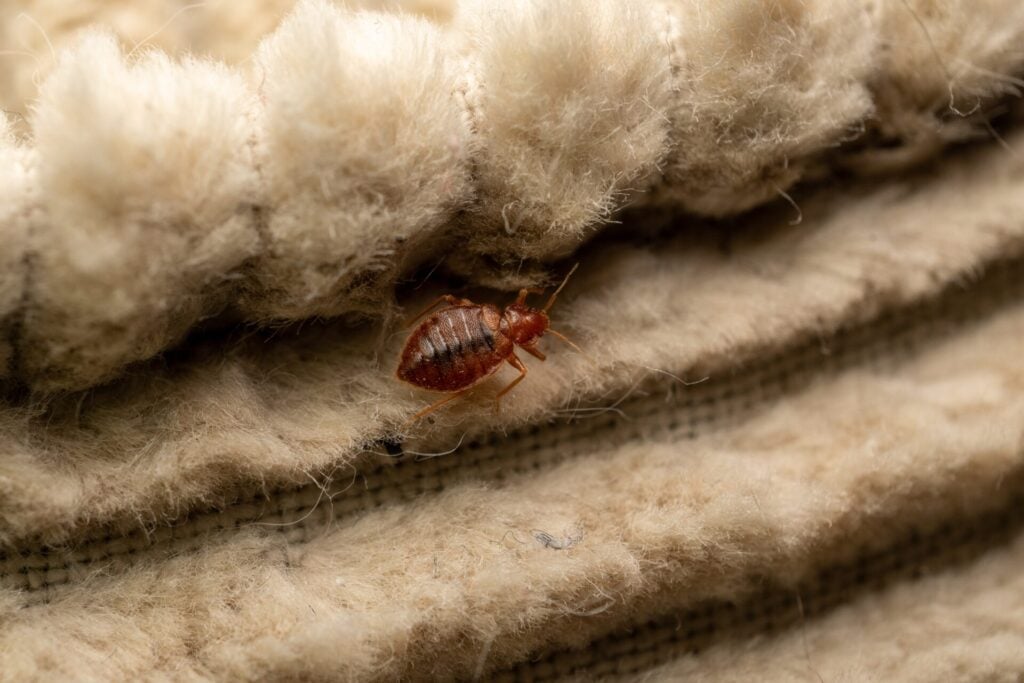
Every year, pest control companies across the United States compile data on service calls, treatment volumes, and infestation reports, and every year, the same uncomfortable truth emerges: bed bugs aren’t going away. If anything, they’re spreading faster and hitting harder in America’s largest cities. Whether you’re a renter scouting a new apartment, a frequent traveler booking hotels, or a homeowner who just wants peace of mind, understanding which cities face the worst bed bug problems can help you stay vigilant and prepared.
The question of which American cities rank worst for bed bug infestations isn’t just trivia. It reflects deeper patterns in housing policy, urban density, climate, and public health infrastructure. And the answers might surprise you: it’s not always the biggest or dirtiest cities that top the list.
The Rising Epidemic of Urban Bed Bug Infestations
Bed bugs were nearly eradicated in the United States by the mid-20th century, thanks largely to widespread DDT use. But since DDT was banned in 1972 and international travel exploded in subsequent decades, Cimex lectularius has staged one of the most remarkable pest comebacks in modern history. By the early 2010s, infestations were surging in cities coast to coast, and the trend has only intensified through the 2020s.
The numbers tell a stark story. Orkin, one of the nation’s largest pest control companies, reported a 15% increase in bed bug treatments between 2022 and 2025 across its service areas. Terminix data from 2025 showed that the top 50 metro areas collectively saw more than 400,000 documented bed bug service calls in a single year. And those are just the cases where professionals were brought in: countless more go unreported, handled with over-the-counter sprays or simply endured in silence by people who can’t afford treatment.
The resurgence isn’t limited to low-income housing or neglected motels. Five-star hotels, college dormitories, movie theaters, public libraries, and even hospital waiting rooms have all reported infestations. Bed bugs are equal-opportunity invaders. They don’t care about your income bracket or how clean you keep your home. They care about blood meals and hiding spots, both of which are abundant in any human dwelling.
Key Data Sources and Ranking Methodology
Compiling a reliable ranking of the top 20 cities in America with the worst bed bug problems requires pulling from multiple data streams, because no single source captures the full picture.
The most widely cited annual rankings come from Orkin and Terminix (now part of Rentokil), both of which publish lists based on the volume of bed bug treatments performed in each metro area. These lists have become industry benchmarks, though they carry an inherent bias: they reflect where the companies have the most customers, not necessarily where infestations are most prevalent per capita.
To build a more complete picture, researchers and journalists also draw from:
- EPA complaint databases and municipal health department reports: Cities like New York and Chicago maintain public records of bed bug complaints filed by tenants against landlords.
- HUD inspection data: The U.S. Department of Housing and Urban Development tracks pest issues in subsidized housing, providing a window into infestations among vulnerable populations.
- University entomology surveys: Academic researchers at institutions like the University of Kentucky and Purdue University have conducted longitudinal studies on bed bug prevalence and pesticide resistance.
- Google Trends and search volume data: Spikes in searches for “bed bug exterminator near me” or “bed bug bites” correlate strongly with local infestation surges.
The ranking presented here synthesizes Orkin’s 2025/2026 data, Terminix treatment records, municipal complaint filings, and academic research. Cities are ranked by a combination of total treatment volume, per-capita infestation rates, and year-over-year trend data. No ranking methodology is perfect, but triangulating across these sources gives us the most honest snapshot available.
Why Major Metros Face Higher Infestation Rates
It’s not a coincidence that the cities topping bed bug rankings year after year tend to be large, dense, and older. Several structural factors make major metros uniquely vulnerable.
Population density is the most obvious driver. Bed bugs spread through proximity: shared walls in apartment buildings, crowded public transit, and high foot traffic in commercial spaces all create transmission pathways that don’t exist in suburban or rural settings. A single infested unit in a 200-unit apartment complex can seed dozens of neighboring units within months.
Older housing stock plays a significant role too. Cities in the Midwest and Northeast tend to have buildings constructed before modern pest-resistant design standards. Cracked baseboards, peeling wallpaper, and aging plaster create the kind of crevices where bed bugs thrive. Contrast that with newer Sun Belt construction, which, while not immune, tends to offer fewer hiding spots.
High population turnover matters enormously. Cities with large transient populations, whether from tourism, business travel, or frequent residential moves, see more bed bug introductions. Every suitcase, moving box, and secondhand furniture delivery is a potential vector. Cities with major convention centers, international airports, and large hotel industries face constant reintroduction pressure even when local control efforts succeed.
Finally, there’s the issue of treatment access and cost. Professional bed bug extermination typically runs $1,500 to $4,000 per unit, depending on the method and severity. In cities with high poverty rates and large renter populations, many people simply can’t afford treatment. Landlord-tenant disputes over who bears the cost further delay action, allowing infestations to spread.
The Top 20 American Cities with the Worst Bed Bug Issues
Here’s the full ranking, compiled from the most recent data available through early 2026. The metro areas are listed from worst to least worst within the top 20.
- Chicago, IL
- New York, NY
- Philadelphia, PA
- Cleveland, OH
- Los Angeles, CA
- Detroit, MI
- Columbus, OH
- Indianapolis, IN
- Cincinnati, OH
- Washington, D.C.
- Baltimore, MD
- Charlotte, NC
- San Francisco, CA
- Dallas-Fort Worth, TX
- Pittsburgh, PA
- Atlanta, GA
- Denver, CO
- St. Louis, MO
- Richmond, VA
- Minneapolis, MN
This list won’t shock anyone who’s been following bed bug trends over the past decade. Chicago and New York have traded the top spot back and forth for years, and Ohio cities consistently punch well above their weight. But there are some notable shifts and emerging patterns worth examining closely.
The Top 5: Infestation Hotspots and Recurrent Leaders
Chicago has held the number-one position on Orkin’s annual list for six of the last eight years, and 2025/2026 data confirms it’s still on top. The city’s combination of dense apartment living, harsh winters that keep people (and bugs) indoors, and an enormous hotel and convention industry creates a perfect storm. Chicago’s public housing authority has invested millions in bed bug remediation, but the scale of the problem continues to outpace resources. The city’s 311 system logged over 3,800 bed bug complaints in 2025 alone.
New York City is the nation’s densest major city, and that density is both its greatest asset and its biggest liability when it comes to bed bugs. The city’s 2024 bed bug disclosure law, which requires landlords to report infestation histories to prospective tenants, was a step forward, but enforcement has been spotty. NYC’s subway system, used by roughly 3.5 million riders daily, remains a persistent concern: bed bugs have been found on seats, in station waiting areas, and in MTA employee break rooms.
Philadelphia rounds out the top three, a position it’s held consistently since 2020. The city’s aging row house architecture, with shared walls running the length of entire blocks, makes unit-to-unit transmission almost inevitable once an infestation takes hold. Philadelphia’s health department has been more proactive than most, offering free inspections in low-income neighborhoods, but demand far exceeds capacity.
Cleveland at number four might surprise people unfamiliar with the data, but Ohio’s bed bug problem is well-documented. Cleveland’s combination of affordable but aging rental housing, cold winters, and relatively limited pest control infrastructure has made it a persistent hotspot. The Cuyahoga County Board of Health reported a 22% increase in bed bug-related complaints between 2023 and 2025.
Los Angeles at number five represents a different infestation profile than the Rust Belt cities above it. L.A.’s problem is driven less by housing density (though dense neighborhoods like Koreatown and parts of South L.A. are heavily affected) and more by sheer population size, tourism volume, and the city’s massive unhoused population. Bed bugs in encampments and shelters spread to surrounding residential areas, creating a cycle that’s extremely difficult to break.
Mid-Tier Rankings: Cities Seeing the Fastest Growth
The cities ranked 6 through 14 on this list tell a more dynamic story than the entrenched top five. Several of these metros are experiencing rapid increases in bed bug activity, driven by population growth, housing market pressures, or both.
Detroit (6) and Columbus (7) share Ohio and Michigan’s broader Rust Belt vulnerability. Detroit’s ongoing housing rehabilitation efforts, while positive for the city overall, have inadvertently spread bed bugs as infested furniture and materials are moved during renovations. Columbus, home to Ohio State University and a booming population, has seen its bed bug problem grow in lockstep with its housing crunch: more people competing for older rental units means more opportunities for transmission.
Indianapolis (8) and Cincinnati (9) complete Ohio and Indiana’s outsized representation on this list. Cincinnati’s bed bug task force, established in 2017, has made progress in coordinating responses between landlords, tenants, and pest control operators, but the city still ranks among the nation’s worst. Indianapolis has seen a particularly sharp increase since 2023, which local pest control operators attribute to a surge in short-term rental properties that create high-turnover environments.
Washington, D.C. (10) is an interesting case. The nation’s capital has world-class public health infrastructure, but its transient population of political staffers, interns, diplomats, and tourists creates constant reintroduction pressure. D.C.’s bed bug laws are among the strongest in the country, requiring landlords to pay for treatment and prohibiting retaliation against tenants who report infestations. Even so, the city logged over 2,100 complaints through its 311 system in 2025.
Charlotte (12) and Dallas-Fort Worth (14) represent the Sun Belt’s growing presence on bed bug rankings. Both cities have experienced explosive population growth over the past decade, with tens of thousands of new residents arriving annually. That growth has strained housing markets, pushed more people into older apartment complexes, and increased the volume of interstate moves, all of which facilitate bed bug spread.
Regional Trends: The Rust Belt vs. The Sun Belt
One of the most striking patterns in any ranking of American cities with serious bed bug issues is the geographic concentration. Of the top 20 cities, roughly half are in the Rust Belt or broader Midwest/Northeast corridor: Chicago, Cleveland, Columbus, Cincinnati, Detroit, Indianapolis, Philadelphia, Pittsburgh, St. Louis, and Minneapolis.
This isn’t coincidental. Rust Belt cities share a cluster of risk factors that Sun Belt cities largely don’t. Their housing stock is older, often dating to the early 20th century or before. Winters are long and cold, which keeps windows sealed and buildings tightly enclosed for months, creating warm, humid environments where bed bugs reproduce rapidly. Many of these cities have experienced population decline and economic hardship, leaving large stocks of affordable but poorly maintained rental housing.
Sun Belt cities, by contrast, tend to have newer construction, more single-family homes (which are harder for bed bugs to spread between), and climates that encourage open windows and outdoor living. But the Sun Belt’s advantage is eroding. As cities like Charlotte, Dallas, Atlanta, and Denver grow rapidly, they’re developing the same density, housing pressure, and transient population dynamics that have long plagued Rust Belt metros.
Atlanta (16) is a telling example. The city barely cracked the top 50 a decade ago. Its rapid growth, booming convention and tourism industry, and increasingly dense urban core have pushed it steadily up the rankings. Denver (17) tells a similar story: Colorado’s population boom has created a tight housing market where renters have less leverage to demand pest treatment and where frequent moves spread infestations.
The regional divide is narrowing, and pest control professionals expect several Sun Belt cities to crack the top 10 within the next five years as population growth continues.
Factors Contributing to Persistent Infestations in Top Cities
Understanding why certain cities can’t shake their bed bug problems requires looking beyond simple population size. The most persistent infestations are driven by structural factors that resist quick fixes.
One underappreciated factor is pesticide resistance. Bed bug populations in cities like New York and Chicago have been exposed to pyrethroids and neonicotinoids for decades, and many populations have developed significant resistance. Research published by the University of Kentucky’s entomology department in 2024 found that bed bug populations in several major cities showed resistance to all commonly available over-the-counter insecticides. This means that even when residents attempt treatment, they often fail, allowing infestations to persist and spread.
The economics of treatment create another persistent barrier. Heat treatment, widely considered the most effective single-session approach, typically costs $2,000 to $4,000 per unit. Chemical treatments are cheaper but require multiple visits over several weeks. For a family living paycheck to paycheck, these costs are prohibitive. And while many cities require landlords to cover treatment costs, enforcement is inconsistent, and some landlords choose to evict tenants rather than pay for extermination, which simply pushes infested belongings (and bugs) to a new location.
Social stigma compounds the problem. Many people are embarrassed to report bed bugs, fearing judgment from neighbors, landlords, or social services. This delay between infestation and reporting gives bed bugs weeks or months to reproduce and spread. A single female bed bug can lay 200 to 500 eggs in her lifetime, and populations can double every 16 days under favorable conditions. By the time someone overcomes the stigma and calls for help, a manageable problem has often become a severe one.
Population Density and Public Transportation Reliance
Dense cities with heavy public transit use face a unique transmission pathway that suburban and car-dependent areas largely avoid. Bed bugs are hitchhikers: they don’t fly or jump, but they’re excellent at clinging to clothing, bags, and personal items. A crowded subway car, bus, or commuter rail coach provides ideal conditions for transfer.
Chicago’s CTA, New York’s MTA, Philadelphia’s SEPTA, and Washington’s Metro have all dealt with confirmed bed bug incidents on vehicles and in stations. While transit agencies conduct regular inspections and cleaning, the sheer volume of daily riders makes comprehensive prevention nearly impossible. The MTA alone serves over 5 million trips per day across its subway and bus systems.
The issue extends beyond transit vehicles. Dense urban environments mean more shared spaces generally: laundromats, movie theaters, waiting rooms, office buildings, and retail stores all serve as potential transfer points. A person sitting in an infested movie theater seat for two hours has a meaningful chance of picking up a hitchhiker. That bug then travels home, finds a bed frame or mattress seam to hide in, and begins reproducing.
Cities with lower density and higher car dependence, like many Sun Belt metros, see less of this communal transmission. But as Sun Belt cities invest in public transit and densify their urban cores, this advantage will likely diminish.
The Impact of High-Turnover Housing and Tourism
Two of the strongest predictors of bed bug prevalence in a city are its volume of short-term accommodations and the turnover rate of its rental housing.
Hotels are ground zero for bed bug introduction. A single infested guest can seed an entire floor of a hotel, and those bugs then travel home with subsequent guests to cities across the country. Cities with large hotel industries, like Las Vegas, New York, Chicago, and Orlando, face constant reintroduction pressure. The American Hotel and Lodging Association reported in 2025 that 68% of hotel operators had dealt with at least one bed bug incident in the previous 12 months.
The explosion of short-term rental platforms like Airbnb and Vrbo has added a new dimension to the problem. Unlike hotels, which typically have professional pest management contracts and trained housekeeping staff, short-term rental hosts often lack the knowledge or resources to identify and address bed bugs quickly. Turnover between guests can happen in a matter of hours, with minimal deep cleaning. Several cities on this list, including Indianapolis, Denver, and Charlotte, have seen their bed bug problems worsen in correlation with short-term rental growth.
Residential turnover matters too. Cities with high renter-to-owner ratios and frequent moves see more bed bug spread. Every move is an opportunity for infested furniture or belongings to enter a new building. The secondhand furniture market, while economically important for low-income households, is a well-documented vector. Mattresses, couches, and bed frames left on curbs or sold through online marketplaces frequently carry bed bugs. Several cities, including New York and Philadelphia, have enacted laws requiring infested furniture to be wrapped and labeled before disposal, but compliance is uneven.
Detection and Prevention Strategies for Residents
If you live in or are moving to one of the cities on this list, you’re not powerless. Early detection dramatically improves treatment outcomes and reduces costs. The difference between catching an infestation at two weeks versus two months can be the difference between a $300 targeted treatment and a $3,000 whole-unit remediation.
The single most important habit you can develop is regular inspection of your sleeping area. Once a week, pull back your sheets and examine the mattress seams, particularly at the corners and along the piping. Use a flashlight and look for live bugs (adults are about the size of an apple seed, reddish-brown, and flat), shed skins, tiny white eggs, or small dark spots that look like ink dots (fecal staining). Check the bed frame joints, headboard crevices, and the area where the carpet meets the wall near the bed.
When traveling, inspect hotel rooms before unpacking. Pull back the bedding and check the mattress seams, the headboard (pull it away from the wall if possible), and the nightstand drawers. Keep your luggage on the luggage rack or in the bathroom, never on the bed or floor. When you return home, unpack directly into a hot dryer cycle: 30 minutes on high heat kills all life stages of bed bugs.
If you’re apartment hunting, ask the landlord directly about the building’s bed bug history. In cities with disclosure laws (New York, Chicago, D.C., and others), landlords are legally required to provide this information. Check the Bed Bug Registry or similar online databases for reports at specific addresses. Talk to current tenants if you can.
Early Warning Signs in Apartments and Hotels
The most common early sign isn’t seeing the bugs themselves: it’s waking up with unexplained bites. Bed bug bites typically appear in clusters or lines, often on exposed skin like the arms, shoulders, neck, and face. They’re usually red, itchy welts that develop overnight. However, roughly 30% of people don’t react to bed bug bites at all, which means you can have an active infestation without any skin symptoms.
Other early indicators include:
- Small blood spots on sheets: These result from bugs being crushed during the night or from bites that continue to bleed slightly.
- Dark fecal spots on mattress seams or nearby walls: These look like someone touched a fine-tip marker to the fabric. They’re digested blood and will smear if wiped with a damp cloth.
- A sweet, musty odor: Heavy infestations produce a distinctive smell often compared to coriander or overripe raspberries. If you notice this in a hotel room, request a different room immediately.
- Shed exoskeletons: Bed bugs molt five times before reaching adulthood. These translucent, hollow skins accumulate near hiding spots.
- Live bugs in non-bed locations: As populations grow, bed bugs spread to couches, chairs, electrical outlets, picture frame backs, and even behind wallpaper. Finding bugs outside the immediate bed area usually indicates a more established infestation.
Interceptor traps placed under bed legs are one of the most effective early detection tools. These simple plastic dishes trap bugs attempting to climb up to the bed, providing evidence of activity before populations grow large enough to notice otherwise.
Professional Remediation vs. DIY Pitfalls
Let me be blunt: most DIY bed bug treatments fail. The internet is full of advice about essential oils, diatomaceous earth, rubbing alcohol, and ultrasonic repellers. Some of these have marginal effectiveness in very limited circumstances, but none of them will eliminate an established infestation.
Diatomaceous earth (DE) is the most defensible DIY option. It works by abrading the waxy coating on bed bugs’ exoskeletons, causing them to dehydrate. But it takes days to weeks to kill individual bugs, it must be applied correctly (a light dusting, not piles), and it does nothing to kill eggs. Used alone, DE will not solve a bed bug problem.
Rubbing alcohol kills bed bugs on contact, but “on contact” is the key phrase. You’d need to spray every individual bug directly, and since bed bugs hide in cracks and crevices during the day, you’ll miss the vast majority. Alcohol is also a fire hazard: there have been multiple apartment fires caused by people spraying large quantities of rubbing alcohol to treat bed bugs.
Bug bombs (total release foggers) are worse than useless. They don’t penetrate the crevices where bed bugs hide, and the chemical dispersal actually drives bugs deeper into walls and further throughout a dwelling, spreading the infestation.
Professional treatment is the only reliable path to elimination. The two main professional approaches are:
- Heat treatment: The entire dwelling is heated to 120-140°F for several hours, killing all life stages including eggs. This is the fastest and most thorough single-session method but is also the most expensive.
- Chemical treatment: A licensed pest control operator applies professional-grade insecticides (often combinations that overcome resistance) to targeted areas, with follow-up visits over 2-4 weeks to catch newly hatched nymphs.
Many pest control companies now offer integrated approaches combining heat and chemical methods. When selecting a provider, look for companies with specific bed bug experience (not just general pest control), ask about their guarantee policy, and check reviews from other customers who dealt with bed bugs specifically.
Future Outlook and Urban Management Efforts
The bed bug problem in American cities isn’t going to resolve itself. Pesticide resistance continues to evolve, urban density is increasing, and the factors driving infestations, such as housing affordability pressures, high population turnover, and international travel, show no signs of abating.
But there are reasons for cautious optimism. Several cities on this list have implemented innovative public health approaches that are showing results. Chicago’s Bed Bug Ordinance, updated in 2024, strengthened landlord obligations and created a dedicated complaint tracking system that helps the city target enforcement resources. New York’s disclosure law has given tenants more power to make informed housing decisions. Cleveland’s Cuyahoga County has piloted a subsidized treatment program for low-income residents that reduced repeat infestations by 40% in its first two years.
On the technology front, canine detection services have become increasingly mainstream and affordable. Trained bed bug dogs can detect infestations with over 95% accuracy, often catching problems weeks before they’d be visible to the human eye. Some apartment management companies in high-risk cities now conduct routine canine inspections of all units quarterly, catching and treating infestations before they spread.
Research into biological controls, including fungal pathogens that target bed bugs specifically, is advancing at several universities. A 2025 study from Penn State demonstrated that the fungus Beauveria bassiana could reduce bed bug populations by 90% in controlled settings with minimal environmental impact. Commercial applications are still a few years away, but this represents a genuinely promising avenue.
The cities that will see the most improvement are those treating bed bugs as a public health issue rather than a private nuisance. When infestations are left to individual tenants to solve, the problem persists and spreads. When cities invest in coordinated responses, including subsidized treatment, landlord accountability, public education, and proactive inspection, the numbers come down.
If you live in one of the 20 cities on this list, or any city for that matter, the most important thing you can do is stay informed and stay vigilant. Inspect your sleeping areas regularly, know your rights as a tenant, and don’t let stigma prevent you from reporting a problem early. Bed bugs are a solvable problem at the individual level, but only if you catch them before they’ve had months to establish themselves. The cities that rank worst for bed bug issues aren’t doomed to stay there, but progress requires action from residents, landlords, and local governments alike.