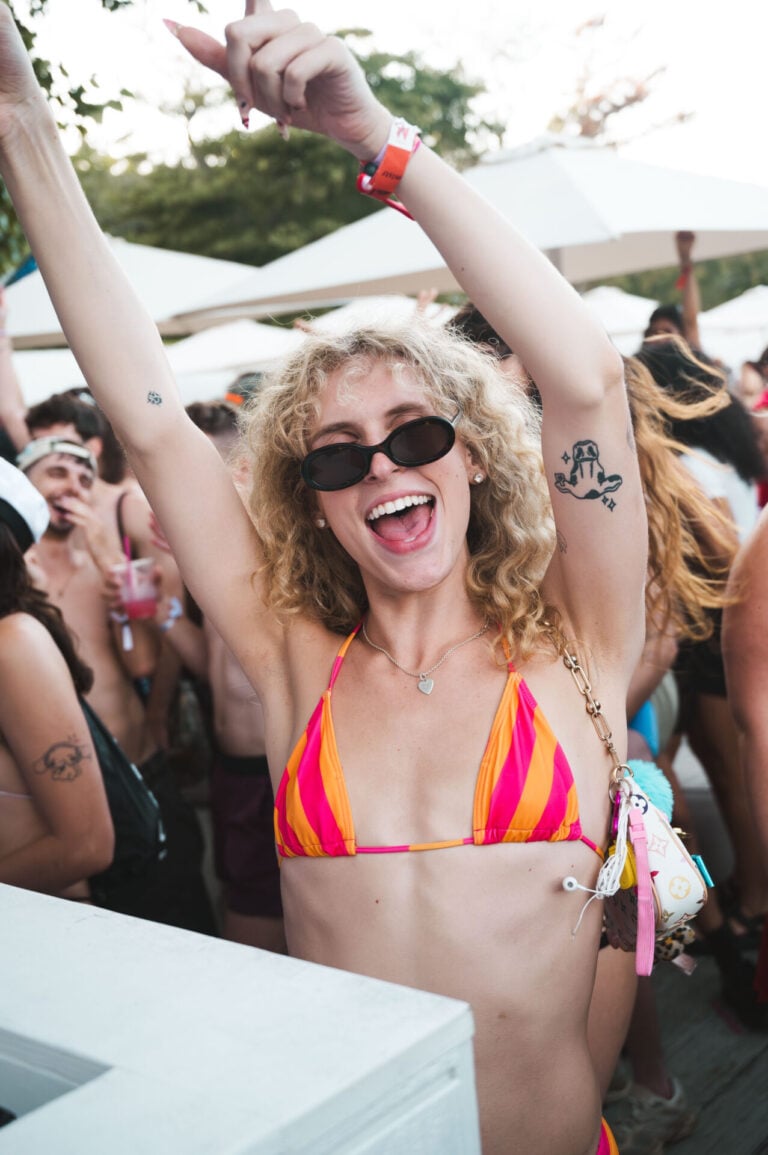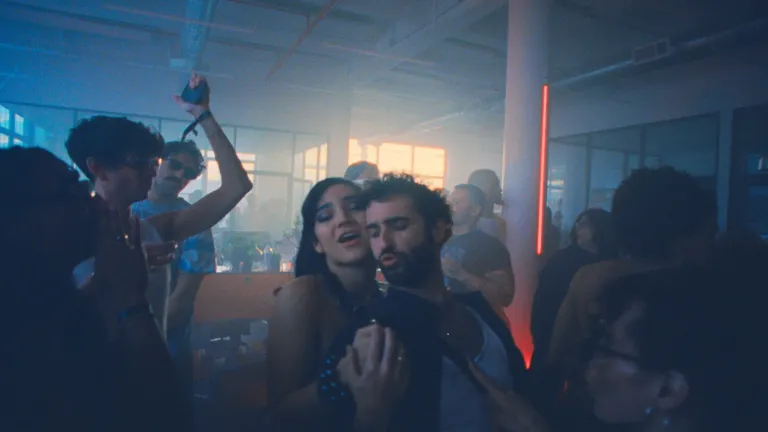
If you are gay and go out in New York City or Los Angeles, chances are you’ve already seen the flyers: packed clubs, bodies soaked in sweat, Black and brown queers fully in their element. Baby Boi isn’t here to be another gay party, but to offer an alternative to the image-obsessed tendencies much of queer nightlife has adopted.
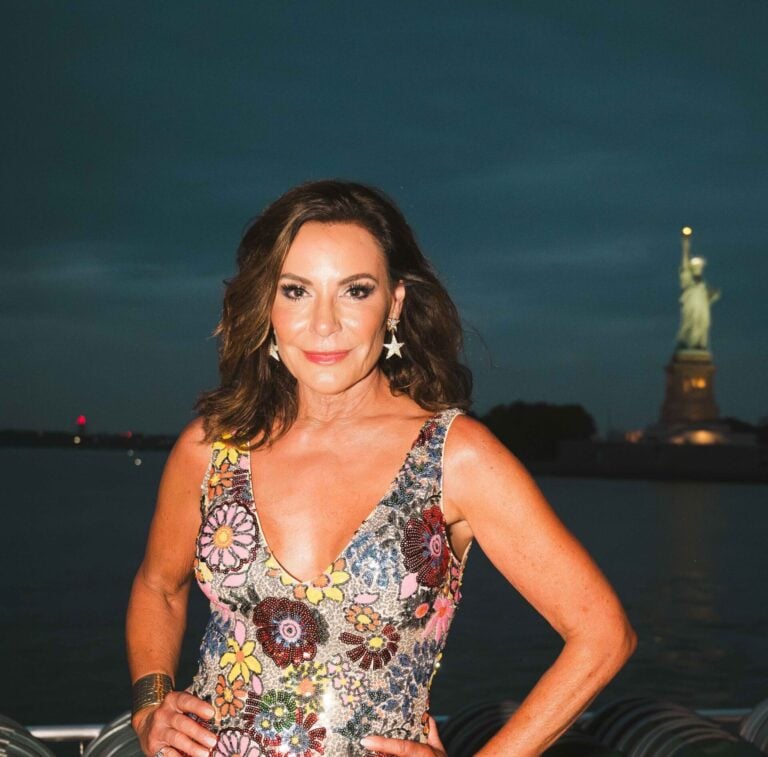
The party was started by Gabrielle Hitchens, the creative force behind Raw Honey, a beloved Black and brown femme-centered function that’s become a staple of New York queer nightlife. After Trump’s second election victory in 2024, Hitchens decided to quit her corporate job to focus on creating spaces for the community full-time. The decision, she says, came from a feeling that queer people, especially queer people of color, were going to need spaces to connect.
The first Baby Boi took place last September at The Sultan Room. Leading up the party, Hitchens wasn’t sure anyone would come, but that debut sold 250 tickets. “I was like, ‘whoa, people actually want this,’” she tells so.gay.
To me, though, the demand makes perfect sense. Even within queer nightlife, there are still unspoken rules about who feels welcome where. Hitchens says she constantly heard from queer men who loved Raw Honey from afar but assumed it “wasn’t for them.” As a queer woman herself, she realized she also wasn’t regularly in community with queer men, and wanted to intentionally create a space that pushed beyond those social silos. “Sometimes as queer people, we stay inside our own little bubble,” she says. “It’s been really healing for me to open myself up beyond my personal identity.”
That openness is embedded into the structure of the party itself. Baby Boi doesn’t want to recreate a hyper-curated, status-driven vibe that dominates so much of queer nightlife right now. At some events, people wear wristbands signaling whether they’re looking for friends, dates, or hookups. The crowd reflects different kinds of masculinity, and not just the current internet obsession with “trade.” “I want representation of all different types of men,” says Hitchens. “A lot of people feel like you can’t be too feminine, or this or that. I want everybody there.”
That ethos extends to the music. Over the past few years, many POC-centered queer parties have revolved around hyperspecific electronic scenes like Latin club, Jersey club, ghetto tech and hard dance. Baby Boi goes in a different direction, championing hip-hop, bounce, R&B and Top 40 classics, the music many queer people of color actually grew up dancing to before nightlife became an exercise in cultural capital and specialized musical knowledge (which, by the way, is a vibe, too.) “You can call it Top 100, but not in a bad way,” Hitchens says. “I still want it to feel very lit, and for the DJs to blend music in really creative ways.”
That simplicity feels especially refreshing right now. So much of queer Brooklyn nightlife has grown to be obsessed with performance, like knowing the right DJs, dressing the right way, being seen with the right people, or being desired without doing too much. In some ways, the proliferation of so many queer parties has some of us unintentionally recreating dynamics borrowed from a heteronormative world, like sorting people via clout, masculinity, race, body type, and who’s considered ‘cool enough’ to be part of the scene. Baby Boi offers something increasingly rare: a queer party where people are earnest about wanting connection. At a moment when many queer people are exhausted by dating apps and the transactional nature of making friends in a status-obsessed culture, Baby Boi strips things back down to the basics: ass shaking, flirting, and community. They also have satellite events in L.A., D.C., Atlanta and elsewhere. Follow Baby Boi’s Instagram to stay up to date on upcoming events.