Every year, tens of thousands of people in the United States die from opioid overdoses. The CDC reported over 81,000 opioid-involved overdose deaths in 2024, and while preliminary 2025 data suggests a modest decline, the crisis remains staggering. One tool has become central to saving lives in the middle of that crisis: Narcan. Whether you’re a parent, a first responder, or someone who simply wants to be prepared, understanding everything you need to know about Narcan could mean the difference between life and death for someone you encounter. This isn’t abstract public health policy. It’s a nasal spray that fits in a pocket and reverses an overdose in minutes. Here’s how it works, when to use it, and where to find it.
Understanding Narcan and Its Role in Harm Reduction
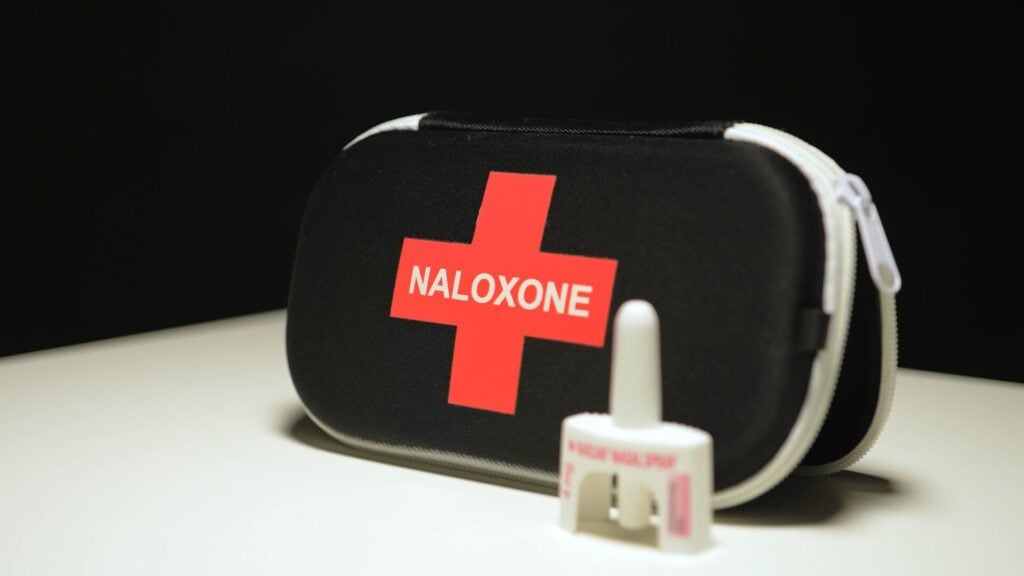
Narcan is the most widely recognized brand name for naloxone, a medication designed to rapidly reverse the effects of an opioid overdose. Originally available only by prescription and administered primarily by paramedics, Narcan became available over the counter in the United States in 2023. That shift changed the landscape of overdose prevention dramatically. By 2026, you can walk into most pharmacies and buy it without a prescription, and many community organizations distribute it for free.
The role Narcan plays in harm reduction is straightforward: it keeps people alive. Harm reduction as a philosophy doesn’t require someone to stop using drugs before they receive help. It meets people where they are and prioritizes preventing death. Narcan fits that model perfectly because it works regardless of whether the person intended to use opioids, accidentally took a contaminated substance, or is struggling with addiction.
What is Naloxone?
Naloxone is an opioid antagonist, meaning it blocks the effects of opioids in the body. It was first developed in 1961 and has been used in clinical settings for decades. The drug itself has no potential for abuse and produces no high. If you give it to someone who doesn’t have opioids in their system, it essentially does nothing.
Naloxone comes in several forms: an injectable solution, an auto-injector (previously sold as Evzio, now discontinued), and a nasal spray. The nasal spray version, branded as Narcan, is the most common form used by non-medical bystanders because it requires no needles and minimal training. A generic nasal spray version, RiVive, also became available over the counter in 2024, giving people a more affordable option.
The Difference Between Narcan and Opioids
Opioids work by binding to specific receptors in the brain, producing pain relief, euphoria, and, at high doses, respiratory depression. That last effect is what kills people during an overdose: their breathing slows and eventually stops.
Narcan does the opposite. Rather than activating opioid receptors, it knocks opioids off those receptors and temporarily blocks them. Think of it like a bouncer removing someone from a seat and standing in front of it so they can’t sit back down. The critical word here is “temporarily.” Narcan’s effects last roughly 30 to 90 minutes, while many opioids, particularly fentanyl and its analogs, can remain active in the body for much longer. That’s why calling 911 is still essential even after administering Narcan.
How Narcan Works in the Brain
Understanding the mechanism behind Narcan helps explain both why it’s so effective and why it has limitations. The brain’s opioid system is complex, but the basics are surprisingly accessible.
Your brain has three main types of opioid receptors: mu, kappa, and delta. The mu receptors are the primary targets for most opioid drugs, including heroin, fentanyl, oxycodone, and morphine. When these receptors are activated, they trigger pain relief and feelings of well-being. But they also control breathing rate, and overstimulation causes the dangerous respiratory depression that defines an overdose.
Mechanism of Opioid Receptor Antagonism
Naloxone has a higher binding affinity for mu-opioid receptors than most opioid drugs. In practical terms, this means naloxone can displace opioids that are already attached to those receptors. It doesn’t activate the receptor after binding, though. It simply occupies the space and prevents opioids from exerting their effects.
This is why naloxone can pull someone out of an overdose so quickly. The moment it reaches the brain, it starts competing with whatever opioid is present. Within minutes, the person’s breathing can return to normal. The effect is sometimes described as flipping a switch, though the reality can be messier, especially with synthetic opioids like fentanyl, which may require multiple doses of Narcan to fully reverse.
Speed of Action and Duration of Effects
When administered as a nasal spray, Narcan typically begins working within two to three minutes. Injectable forms can act even faster, sometimes within one to two minutes, because they enter the bloodstream directly.
The duration of Narcan’s effects is where things get tricky. Naloxone’s half-life is about 30 to 90 minutes, depending on the person’s metabolism and the route of administration. Many opioids, particularly long-acting ones or high doses of fentanyl, outlast naloxone in the body. This means a person can go back into overdose after Narcan wears off. That phenomenon, sometimes called “renarcotization,” is a real danger, and it’s the primary reason every Narcan kit comes with two doses and every set of instructions emphasizes calling emergency services immediately.
Recognizing the Signs of an Opioid Overdose
Narcan is only useful if you can recognize when someone needs it. Overdoses don’t always look like what you see in movies. Sometimes a person simply falls asleep and doesn’t wake up. Other times, the signs are more dramatic. Knowing what to look for can save critical minutes.
The window between a reversible overdose and death can be narrow. Brain damage from oxygen deprivation can begin within four to six minutes. Having Narcan on hand matters, but recognizing the situation quickly matters just as much.
Physical Symptoms to Watch For
The hallmark signs of an opioid overdose include:
- Extremely slow, shallow, or stopped breathing: This is the most dangerous symptom and the one that kills.
- Pinpoint pupils: The pupils constrict to tiny dots, even in dim lighting.
- Blue or grayish skin: Particularly around the lips, fingertips, and nail beds, indicating oxygen deprivation.
- Unresponsiveness: The person cannot be woken by loud sounds or physical stimulation like a sternal rub (rubbing your knuckles firmly on the breastbone).
- Gurgling or choking sounds: Sometimes called the “death rattle,” this sound indicates the airway is partially obstructed.
- Limpness: The body goes completely limp, and muscles lose tone.
Not every overdose presents all of these symptoms. If someone has used opioids and you notice even two or three of these signs, treat it as an emergency.
When to Administer Narcan Safely
The short answer: if you suspect an opioid overdose, use Narcan. The risk of giving it to someone who doesn’t need it is essentially zero. Naloxone has no effect on a person without opioids in their system, so a “false alarm” won’t cause harm.
Try to wake the person first by shouting their name and performing a sternal rub. If they don’t respond and their breathing is dangerously slow or absent, administer Narcan immediately and call 911. Don’t wait for emergency services to arrive before using it. Time is the one resource you can’t get back during an overdose, and bystander-administered naloxone has saved hundreds of thousands of lives since community distribution programs began.
Steps for Administering Narcan Nasal Spray
One of the reasons Narcan nasal spray became the go-to format for community distribution is its simplicity. You don’t need medical training. You don’t need to find a vein. The device is pre-loaded with a single dose, and the instructions can be summarized in a few steps.
That said, knowing the steps before an emergency occurs makes a real difference. Practicing with a trainer device (many free distribution programs include one) builds the kind of muscle memory that helps when adrenaline is running high.
Preparation and Positioning the Patient
- Call 911 first, or have someone else call while you prepare the Narcan.
- Place the person on their back. If they’ve vomited or you suspect vomiting, tilt their head to the side to prevent choking.
- Remove the Narcan device from its packaging. Each box contains two individually wrapped nasal spray devices.
- Hold the device with your thumb on the bottom of the plunger and two fingers on the nozzle.
- Insert the nozzle into one nostril until your fingers touch the bottom of the person’s nose.
- Press the plunger firmly. The entire dose is delivered in a single spray.
If the person doesn’t respond within two to three minutes, administer the second dose in the other nostril. With potent synthetic opioids now dominating the illicit drug supply, needing a second dose has become increasingly common.
Post-Administration Care and Emergency Services
After giving Narcan, place the person in the recovery position: on their side with their top knee bent forward to prevent them from rolling onto their face. This position helps keep the airway clear if they vomit.
Stay with the person until emergency medical services arrive. Even if they wake up and seem fine, they need medical evaluation. Remember, Narcan wears off, and the opioid may still be active in their body. People who wake up from an overdose after receiving naloxone are sometimes confused, agitated, or even combative because they’ve been thrown into sudden withdrawal. Stay calm, explain what happened, and discourage them from using more opioids to counteract the withdrawal, as this can trigger another overdose once the naloxone clears.
Side Effects and Safety Considerations
Narcan itself has a remarkably clean safety profile. It’s been used in hospitals since the 1970s, and decades of data confirm that naloxone poses minimal risk to the person receiving it. The real discomfort comes not from the drug itself but from what it does: stripping opioids from receptors in someone who is physically dependent.
Managing Acute Opioid Withdrawal Symptoms
When Narcan reverses an overdose in someone with opioid dependence, it can trigger immediate withdrawal symptoms. These can include nausea, vomiting, sweating, rapid heartbeat, agitation, body aches, and diarrhea. The experience is intensely unpleasant, and some people describe it as the worst they’ve ever felt.
This is not a reason to hesitate. Withdrawal is uncomfortable but rarely life-threatening. An overdose, on the other hand, is fatal without intervention. Some people who are revived become angry at the person who administered Narcan. This reaction, while understandable from the perspective of someone suddenly thrown into withdrawal, doesn’t change the calculus. A few hours of misery beats death.
Medical professionals can manage withdrawal symptoms once the person reaches a hospital. If you’re supporting someone after a reversal, keep them comfortable, offer water if they can drink, and reassure them that the worst of the withdrawal will pass as the naloxone leaves their system.
Safety in Non-Overdose Situations
A common question: what happens if you give Narcan to someone who hasn’t taken opioids? The answer is simple: nothing clinically significant. Naloxone only acts on opioid receptors, and if those receptors aren’t occupied by opioids, the drug has no meaningful effect. There’s no risk of harm from administering it “just in case.”
This is important because in 2026, many overdoses involve mixed substances. Someone might have taken opioids along with stimulants, benzodiazepines, or alcohol. Narcan will reverse the opioid component but won’t address the effects of other drugs. That’s another reason 911 remains essential: the person may need additional medical treatment for non-opioid substances in their system.
Narcan is also safe for use in children, pregnant individuals, and elderly people, though these populations should receive medical follow-up as quickly as possible.
Legal Protections and Accessing Narcan
Fear of legal consequences has historically prevented bystanders from calling 911 or intervening during overdoses. Legislation across the United States has worked to reduce that fear, and knowing your rights matters if you’re carrying Narcan or considering using it.
Good Samaritan Laws Explained
As of 2026, 48 states and the District of Columbia have some form of Good Samaritan law that provides legal protections to people who call 911 during an overdose or administer naloxone. These laws vary by state, but most offer immunity from prosecution for minor drug possession charges for both the person experiencing the overdose and the person who called for help.
Some states extend broader protections than others. A handful include immunity from parole or probation violations. Others limit protection to specific charges. The key takeaway: in almost every state, you’re legally protected when you act in good faith to save someone’s life during an overdose. The Prescription Drug Abuse Policy System (PDAPS) maintains an updated database of naloxone access laws by state if you want to check your specific jurisdiction.
Where to Buy or Find Free Kits
Getting Narcan is easier than most people realize. Here are the main channels:
- Pharmacies: Narcan nasal spray is available over the counter at CVS, Walgreens, Rite Aid, and most independent pharmacies. A two-dose box typically costs between $35 and $50 without insurance. The generic RiVive version is often cheaper.
- Community organizations: Many harm reduction organizations, syringe service programs, and public health departments distribute free naloxone kits. NEXT Distro offers mail-based naloxone distribution to all 50 states.
- Health departments: State and local health departments often run naloxone distribution programs, particularly in areas with high overdose rates.
- Online: Some states allow online ordering of naloxone through public health portals.
- Insurance: Most insurance plans, including Medicaid, cover naloxone with little or no copay.
If cost is a barrier, free options exist in virtually every state. A quick search for “free naloxone near me” will typically surface local programs.
Why Carrying Narcan Matters
Knowing everything about how Narcan works only matters if it’s accessible when someone needs it. Opioid overdoses happen in living rooms, public restrooms, parks, and workplaces. They happen to people with long histories of addiction and to teenagers who tried a pill for the first time without knowing it contained fentanyl.
Carrying Narcan doesn’t mean you expect the worst. It means you’re prepared for a reality that touches every community in the country. The medication is safe, legal, inexpensive or free, and simple enough that a middle schooler could administer it correctly. If you take one thing from this guide, let it be this: get a kit, learn the steps, and tell someone else to do the same. The life you save might belong to someone you love.