Self-esteem plays a crucial role in shaping how individuals perceive themselves and interact with the world around them. For men, societal expectations often add layers of complexity to how self-worth is expressed or masked. Understanding the signs of low self-esteem in men is essential—not only for their personal well-being but also for fostering healthier relationships and environments. Research shows that approximately 85% of people experience low self-esteem at some point, making it a widespread issue that deserves attention.
Recognizing these signs early can help friends, family members, and professionals provide the right support. This article explores key indicators of low self-esteem in men, backed by recent studies and expert insights, to help you identify when someone might be struggling beneath the surface.
Emotional and Behavioral Signs of Low Self-Esteem
Low self-esteem often manifests through a range of emotional and behavioral patterns. Men with low self-esteem may exhibit signs that are subtle or easily mistaken for other issues, but understanding these can lead to better support and intervention.
Frequent Self-Criticism and Negative Self-Talk
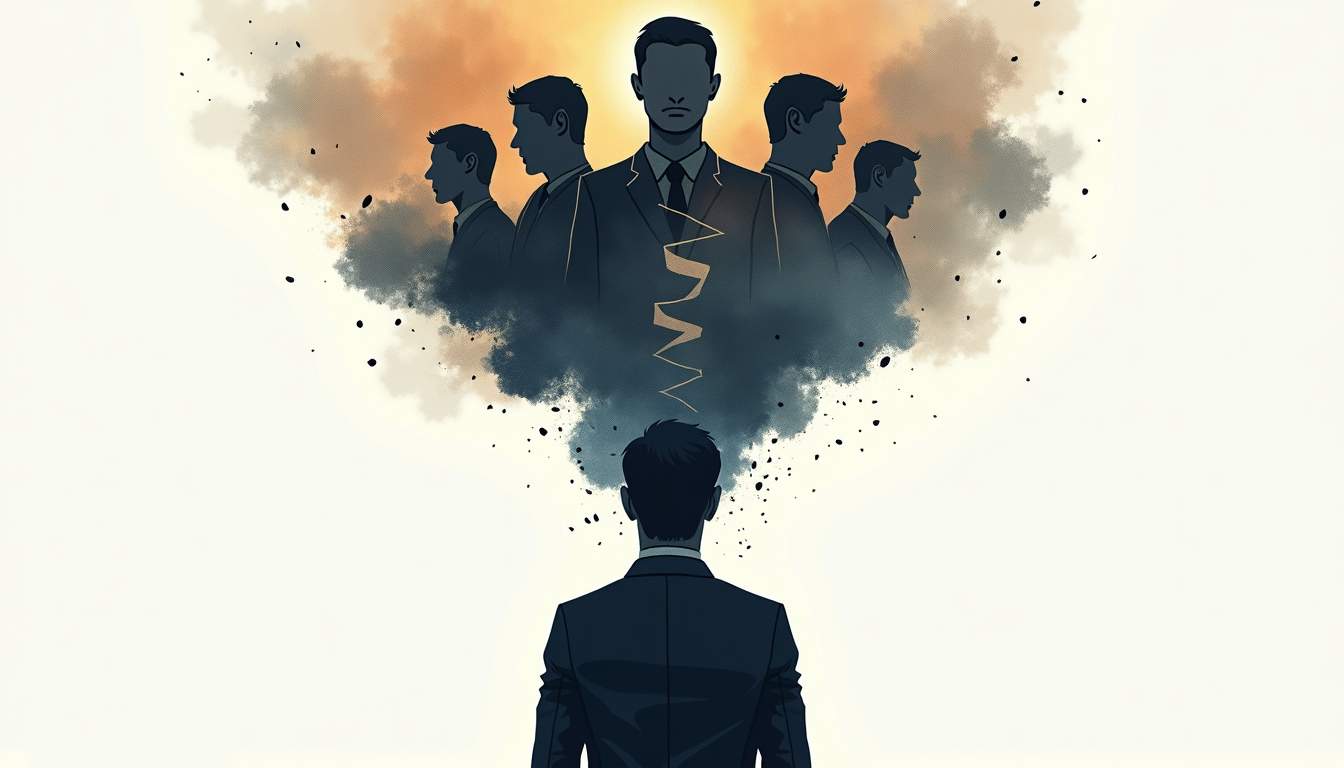
One of the most common signs of low self-esteem is persistent negative self-talk. Men struggling with self-worth often criticize themselves harshly, focusing on perceived failures or flaws. This internal dialogue can be relentless and damaging, reinforcing feelings of inadequacy.
Such negative self-perceptions are not just fleeting thoughts; they can become ingrained beliefs that affect decision-making and overall mental health. The cycle of self-criticism can lead to withdrawal from social situations or opportunities, further isolating the individual. Over time, these negative thought patterns can contribute to more serious mental health issues, such as depression or anxiety, creating a vicious cycle that is difficult to escape.
Difficulty Accepting Compliments or Praise
Men with low self-esteem may find it challenging to accept compliments or positive feedback. They might deflect praise or dismiss achievements, believing they do not deserve recognition. This behavior stems from an internalized sense of unworthiness and can hinder personal growth and confidence.
Furthermore, this reluctance to accept praise can extend to professional environments, where men may shy away from taking credit for their contributions. This not only affects their self-image but can also impact career advancement, as their talents and efforts go unrecognized. Over time, this can lead to frustration and resentment, both towards themselves and their colleagues, perpetuating a cycle of low self-esteem.
Signs of Social Withdrawal and Avoidance
Social anxiety and withdrawal are often linked to low self-esteem. Research indicates that individuals with low self-esteem are 30% more likely to experience social anxiety. Men may avoid social gatherings, shy away from initiating conversations, or struggle to maintain friendships due to fears of judgment or rejection.
Such avoidance can create a cycle where lack of social interaction reinforces feelings of loneliness and low self-worth, making it harder to break free from these patterns. Additionally, the fear of being judged can lead to a heightened sense of self-consciousness, causing men to overanalyze their actions and words in social settings. This hyper-awareness can further exacerbate anxiety, leading to a preference for solitary activities over engaging with others, which only deepens the sense of isolation and despair.
Interpersonal Relationship Challenges
Low self-esteem significantly impacts how men relate to others. Interpersonal difficulties often emerge as a result of underlying insecurities and negative self-perceptions. These challenges can create a cycle of frustration and isolation, as men may find themselves caught between a desire for connection and an overwhelming fear of inadequacy.

Frequent Conflicts and Communication Issues
Men with low self-esteem may experience frequent conflicts in their relationships. According to expert insights, 65% of individuals with low self-esteem report frequent conflicts. This can be due to heightened sensitivity to criticism, jealousy, or a defensive attitude stemming from feelings of vulnerability. Such conflicts often arise from misinterpretations of benign comments or actions, leading to unnecessary arguments that can leave both parties feeling hurt and frustrated.
Communication may become strained as these men struggle to express their needs or fears openly, leading to misunderstandings and emotional distance. Partners and friends might notice a pattern of overreacting or withdrawing during disagreements. This withdrawal can create a rift, as the other party may feel rejected or confused, unsure of how to bridge the gap. Over time, these unresolved conflicts can erode trust and intimacy, making it increasingly difficult for both individuals to reconnect.
Difficulty Trusting Others
Trust issues are common among men with low self-esteem. They may doubt the intentions of others or fear betrayal, which can prevent them from forming deep, meaningful connections. This mistrust often leads to emotional guardedness, making it challenging to build intimacy or rely on support networks. The fear of being hurt can cause them to keep others at arm’s length, missing out on the joys and benefits of close relationships.
Moreover, this difficulty in trusting others can create a self-fulfilling prophecy; as they withdraw emotionally, they inadvertently push people away, reinforcing their belief that they are unworthy of love and support. Friends and partners may feel frustrated by this lack of openness, leading to a cycle of isolation that further deepens the man’s low self-esteem.
Overdependence or Excessive People-Pleasing
In some cases, low self-esteem manifests as overdependence on others for validation. Men might go to great lengths to please those around them, suppressing their own needs and desires to avoid conflict or rejection. This behavior can be exhausting and ultimately detrimental to their self-respect and autonomy. The constant need for approval can lead to a loss of identity, as they may prioritize others’ happiness over their own well-being.
As they become increasingly reliant on external validation, these men may find themselves in relationships that are unbalanced, where their own needs are consistently overlooked. This dynamic can foster resentment, as they may feel taken for granted or unappreciated. Over time, the strain of this one-sided relationship can lead to burnout, leaving them feeling more isolated and unworthy than before. Additionally, the fear of disappointing others can prevent them from pursuing their own goals and aspirations, further entrenching their feelings of inadequacy.
Mental Health and Risk Factors Associated with Low Self-Esteem
Low self-esteem does not exist in isolation; it is closely linked to various mental health challenges, especially among adolescents and young men.

Increased Risk of Depression and Anxiety
Studies have consistently found a strong correlation between low self-esteem and higher rates of depression and anxiety. For instance, research focusing on adolescents highlights that low self-esteem is associated with an increased risk of these conditions, as well as substance use disorders. This connection underscores the importance of addressing self-esteem issues early to prevent more severe mental health problems.
Depression and anxiety can further erode self-esteem, creating a vicious cycle that is difficult to break without professional help. Recognizing the signs of low self-esteem can be a critical step toward seeking appropriate treatment. Moreover, the impact of low self-esteem can extend beyond individual mental health, affecting relationships, academic performance, and overall quality of life. Individuals may withdraw from social situations, leading to isolation, which can exacerbate feelings of worthlessness and despair.
Indicators in Online Behavior and Digital Communication
A recent development in understanding low self-esteem involves analyzing online behavior. The 2023 introduction of the LoST dataset, which examines Reddit posts, provides insights into how low self-esteem manifests in digital communication. This research helps identify linguistic patterns and emotional cues that indicate low self-worth, offering new avenues for early detection and support through technology.
Such findings are particularly relevant as many men may express their struggles more openly online than in face-to-face interactions, highlighting the importance of digital literacy in mental health awareness. The anonymity of online platforms can encourage individuals to share their feelings and experiences without the fear of judgment, making it a valuable space for support. Furthermore, understanding these digital expressions can lead to the development of targeted interventions, such as online counseling services or community support groups, that cater specifically to those grappling with low self-esteem. By harnessing the power of social media and online forums, mental health professionals can create supportive environments that foster self-esteem and resilience among vulnerable populations.
Physical and Lifestyle Signs to Observe
Beyond emotional and social indicators, low self-esteem can also affect physical appearance and lifestyle choices.
Poor Self-Care and Neglect of Personal Appearance
Men with low self-esteem often neglect self-care routines, such as grooming, exercise, and healthy eating. This neglect can be both a symptom and a reinforcing factor of low self-worth. When someone feels poorly about themselves, they may lack the motivation to maintain their physical health, which in turn can deepen feelings of inadequacy. The cycle of neglect can manifest in various ways, from unkempt hair and clothing to a lack of regular exercise, which can further perpetuate the negative self-image. Over time, these physical signs may become more pronounced, leading to a visible decline in overall health and well-being.
Moreover, the impact of low self-esteem on personal appearance can extend beyond mere neglect. It can lead to a disconnection from social norms and expectations regarding grooming and hygiene. For instance, individuals may avoid social situations altogether, fearing judgment about their appearance, which only exacerbates their feelings of isolation and worthlessness. This withdrawal can create a vicious cycle, where the lack of social interaction further diminishes self-esteem, making it increasingly difficult to break free from the patterns of neglect.
Risky Behaviors and Substance Use
Low self-esteem is linked to higher engagement in risky behaviors, including substance use. Adolescents and young men with low self-esteem are particularly vulnerable to these patterns, which may serve as coping mechanisms to numb emotional pain or escape negative self-perceptions. Engaging in such behaviors can provide a temporary sense of relief or belonging, but they often lead to more significant issues, such as addiction or health problems, which can further erode self-esteem.
Additionally, the social environment plays a crucial role in shaping these behaviors. Peer pressure can amplify the tendency to engage in substance use or other risky activities, particularly in settings where self-worth is measured by conformity to group norms. Young men may feel compelled to partake in these behaviors to fit in or gain acceptance, despite knowing the potential consequences. Addressing self-esteem issues early can reduce the likelihood of such behaviors and promote healthier coping strategies, such as seeking supportive relationships or engaging in positive activities that foster a sense of achievement and belonging.
Supporting Men with Low Self-Esteem
Recognizing the signs of low self-esteem is the first step toward offering meaningful support. Encouraging open conversations, fostering positive reinforcement, and promoting professional help when needed can make a significant difference. It’s essential to create a safe space where men feel comfortable expressing their vulnerabilities without fear of judgment. This openness can lead to deeper connections and a better understanding of their struggles, allowing for a more tailored approach to support.
Building self-esteem is a gradual process that involves challenging negative beliefs, developing self-compassion, and creating environments where men feel valued and understood. Awareness and empathy from friends, family, and colleagues are vital components of this journey. Engaging in activities that promote skill development, such as workshops or group activities, can also help men build confidence. These experiences not only provide a sense of accomplishment but also foster camaraderie and support among peers, which can be incredibly uplifting.
For those interested in learning more about the prevalence and impact of low self-esteem, the ZipDo Education Reports 2025 offer comprehensive insights and data-driven analysis. Understanding the statistics surrounding low self-esteem can empower individuals and communities to take proactive steps in addressing this issue. Furthermore, exploring case studies and personal narratives can shed light on the diverse experiences of men dealing with low self-esteem, illustrating the importance of tailored support systems and interventions.