Three gay bars in San Francisco’s famously queer Castro District are experiencing pushback after implementing new facial scanning technology.
According to a report from reporter Cydney Hayes at the San Francisco Gazetteer, bars Mix, Badlands, and Toad Hall have all started using Patronscan Guard+ machines at their establishments.
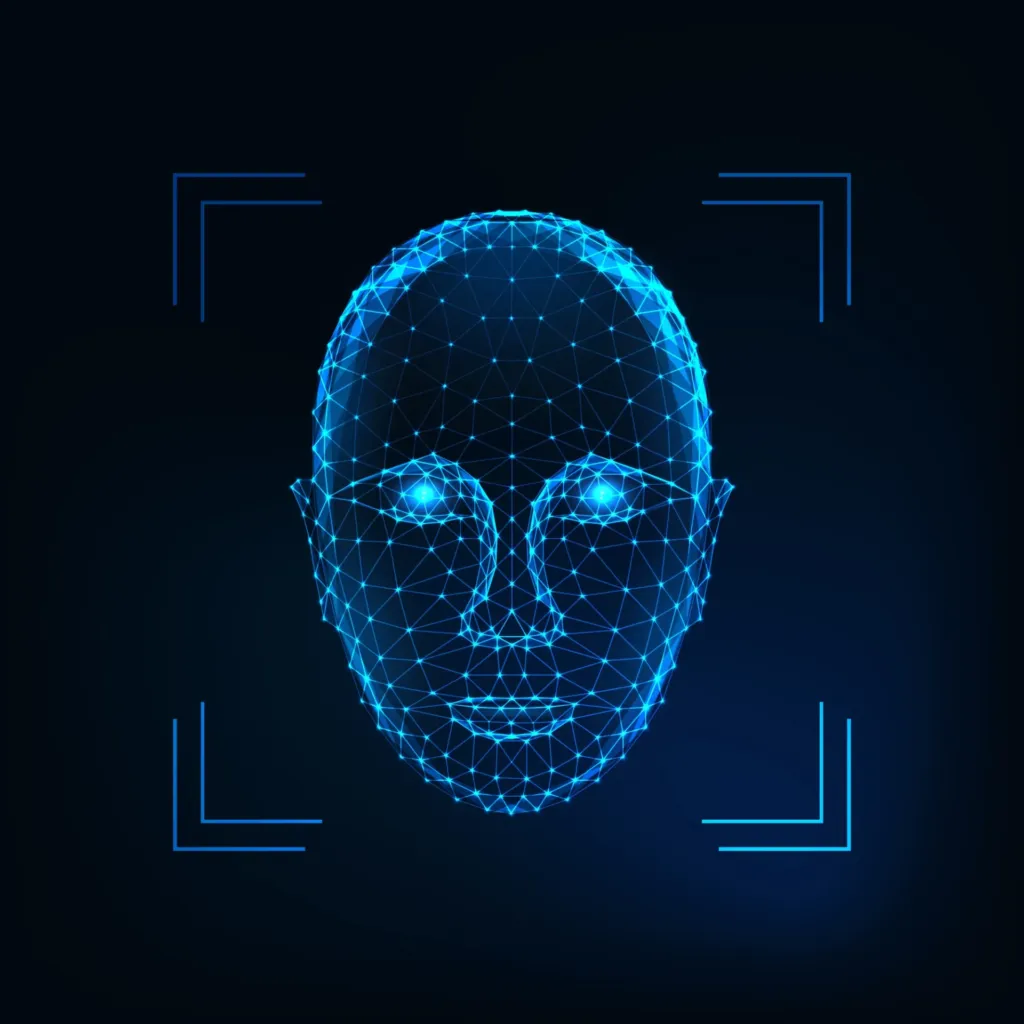
The initial report claims Guard+ collects biometric and personal data from patrons, including their names, addresses, genders, and even their behavior once inside the bar.
Those hoping to enter the bars have their IDs scanned by the device, while their photo is also taken by the system. According to the company website, Guard+ is touted as a benefit to bouncers, capable of running “forensic checks on every ID it scans, catching sophisticated fakes, verifying ages in seconds, and giving your front-of-house team real-time access to the patron intelligence they need.”
The kiosk is also connected to a Flagged Patrons List, which Patronscan says “helps front-line staff spot high-risk individuals before they enter, creating safer environments.” Per Gazetteer, the list essentially is a database of blacklisted patrons shared across bars synced to the same network. It can also flag anyone who appears in sex offender registries or wanted by law enforcement.
The surveillance system has experienced some criticism, with one local SF patron telling Gazetteer that “it’s really not great to have lists of gay people.” The Advocate, meanwhile, pointed out that tracking the whereabouts of someone who may not be out, while visiting what should be a safe space during a politically volatile time, is concerning.
Soon after Hayes’ initial article, digital rights group Fight for the Future Education Fund started a petition, demanding the removal of what they call “dystopian face-scanning technology” from queer spaces.
“Gay bars are using facial recognition technology to build and share lists of their patrons. Demand they trash their surveillance machines and stop endangering the community,” the group writes in the petition. “Bars like Mix, Badlands, and Toad Hall are building secret, unaccountable lists of everyone who walks through their doors—during an enormous wave of political persecution against queer and trans people.”
“Facial recognition is dangerous for everyone, but it carries special risks for queer and trans people,” the group continues. “Certain states are already building databases of trans people. Other states and agencies are demanding trans people’s medical histories and other sensitive data. This, as powerful political figures push for our reeducation and eradication.”
After some of the outcry, Brian Aranda, the director of operation at Badlands told the Gazetteer that they do not plan to remove the tech, saying they “continue to believe it provides important safety benefits for our guests and employees.” Aranda also said Patronscan has insisted the system “is not facial recognition technology and does not use biometric identification.”
The other bars haven’t addressed the issue.
In their own lengthy response to the Gazetteer’s reporting, Patronscan said their mission is simply to “help create spaces where people feel safe enough to just enjoy their night.” They claimed they don’t use facial recognition or collect biometric data, don’t sell or share personal information to third-parties and do not save or share home addresses.
“Facial comparison features are not enabled for North American customers and never have been,” said Patronscan. “The live image captured at the time of the scan is a photograph taken so door staff can compare it against the photo on the ID.”
“When someone brings hatred, prejudice, or harmful intent into an LGBTQ+ space and gets removed and flagged, our system makes sure they can’t just dust themselves off and walk into the next bar down the street,” added the company. “If they’ve been flagged at one Patronscan venue, other venues on our network will see that at the door. They don’t get a second chance to ruin someone else’s night.”
Per Patronscan, patrons can request to have their data deleted at any time, while claiming data for any unflagged patron is also automatically deleted after 21 days. That 21-day window, they say, allows victims “sufficient time to report an incident,” if needed.