Horror movies have been scaring up big box office numbers this summer, with recent successes like “Backrooms” and “Obsession” both making bank thanks to younger audiences flocking to theaters to get scared.
Made for around $1 million, “Obsession” has pulled in more than $238 million in less than a month in release. “Backrooms” and its $10 million price tag, meanwhile, has earned over $200 million in even less time. According to NBC, 86% of the audience for the latter was under 35, and 44% were under 21. For “Obsession,” per Variety, 75% of the audience was between 18-25.
Both movies are within spitting distance of the total box office take for “The Mandalorian and Grogu”; the two horror movies’ far lower budgets, however, means they’ve been much more profitable than the Disney blockbuster.
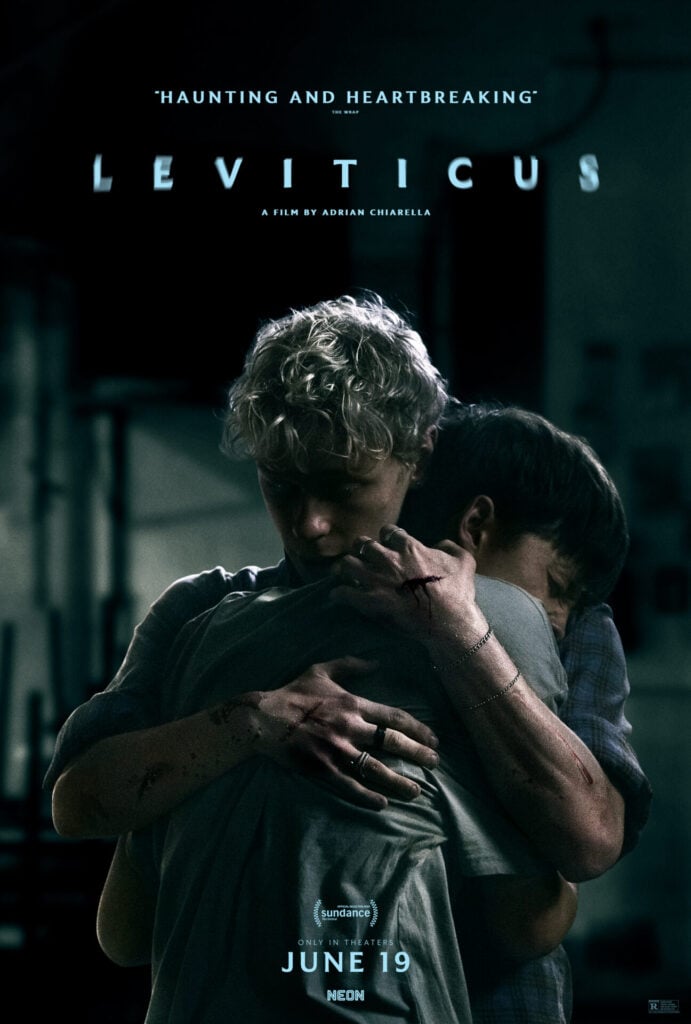
The next freaky flick to hit theaters this month is “Leviticus,” which, as the name implies, leans into the Old Testament horrors the queer community faces. Out June 19, the movie was a big hit at Sundance Film Festival, where Neon reportedly secured the movie in a seven-figure deal. Early reviews, meanwhile, described it as “‘Heated Rivalry’ meets ‘It Follows,’” thanks to its blending of queer intimacy and body horror.
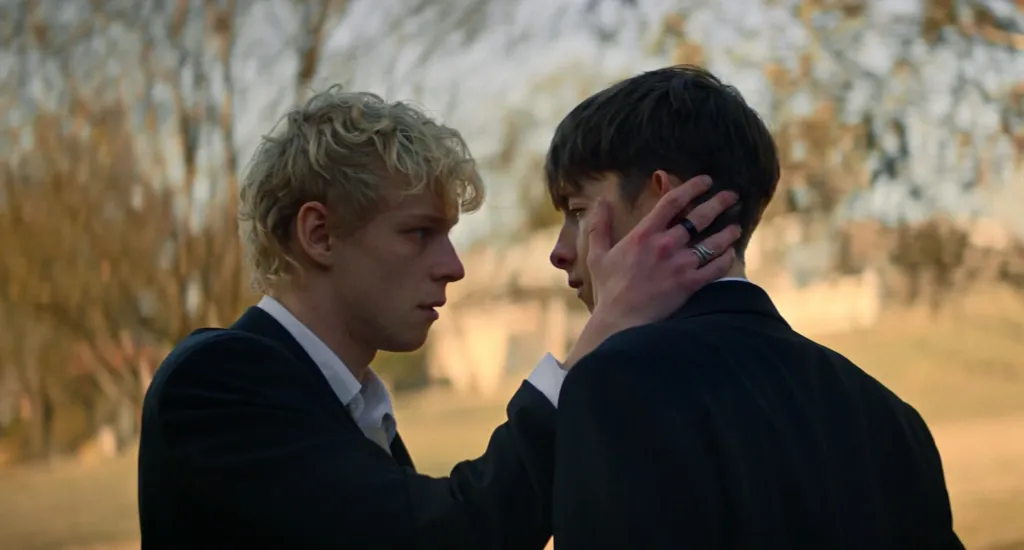
From gay writer/director Adrian Chiarella, “Leviticus” revolves around two teenage boys (Joe Bird and Stacy Clausen) who develop a secret romance in small town Australia. The rural setting is one filled with conservative views and fringe beliefs, however, and the pair have a religious ceremony akin to an exorcism forced upon them to “cure” them of their sexual orientation. It results in an evil entity stalking them, one which takes the form of the person they most desire. In this case, it’s each other.
As the two find themselves running from a being that looks like the person they most want to run toward, the movie also becomes an allegory for extreme treatments like conversion therapy, showing the turmoil they both go through as they’re made to fight their desires.
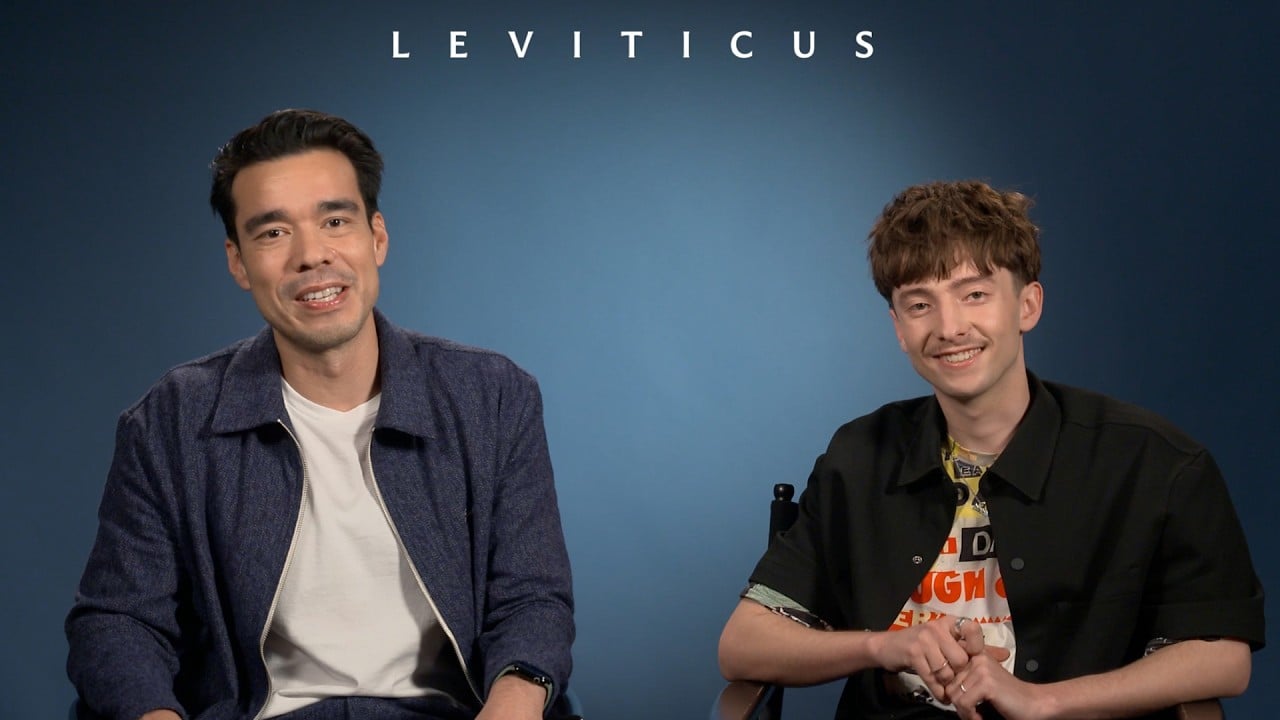
So.Gay spoke with director Adrian Chiarella and star Joe Bird ahead of the movie’s release, where the pair explained why they feel the movie is a must-see for younger audiences, how it balances tender moments of yearning with extreme body horror, and the most meaningful reactions from viewers so far.
SO.GAY: Good horror is always hot, but right now the genre is really bringing a younger audience back to theaters, which we’ve seen with “Backrooms” and “Obsession.” Why do you think it is so important that the Gen Z/Millennial generation sees this movie?
Adrian Chiarella: I’m really encouraged seeing young people go to the theaters. I saw “Backrooms” and “Obsession” and I just loved seeing, first of all, a full theater, but a theater full of young people, that was amazing. And to hear them all reacting, that was great. This is a genre that I think is very visceral and it gets to you through your body. You’re jumping out of your seat, you feel yourself squirming, laughing along with your friends to try and overcome the anxiety.
But I hope, in all of that, they take away the message and the ideas in this film that we’re exploring. Not just around homophobia but around going through that feeling that I think every young person goes through, when you’re a teenager and you’re on that journey of self discovery, and you’re trying to live with these feelings that you are starting to develop as a person and finding your own sense of independence.
Joe Bird: I think it’s great as well, because obviously since Covid, there was kind of a bit of a decline in going to the cinemas. I think it’s cool that cinema is back, right? Letterboxd has a huge part now, making people want to go to films and review it, stuff like that. It feels like a community. It’s great, these films can bring people to cinemas to hang out as friends, get to spend more time with each other.
Friends are building more connections, and then watching a film that they can talk about. That’s all we want, to make art that inspires and hopefully people will have a conversation about it. Maybe they watch “Leviticus” and go to their friend, like, “Are you okay? Just checking in.” Things like that.
SO.GAY: Since the movie did receive such an amazing reception at Sundance, have either of you received particularly memorable feedback from those who have seen it already?
Joe Bird: It’s not one specific feedback, but among the feedback from a lot of people is they wish they had this film when they were younger. I think that’s really, really nice to hear that. That someone in unknown, America, that’s 14 and closested or something, can watch this film, 16, 17, and feels like, I feel a safe space in this film. I think that is something that’s really cool.
Adrian Chiarella: For me, I think Sundance and SXSW were great in terms of industry people who were there to see the film. There were a lot of people who are not in the industry who came along because they’d heard about the themes of the film and they’d experienced things similar to what the characters in the movie went through. They came up and spoke to us and that’s been really special.
SO.GAY: Are there coming-of-age TV shows or movies that really spoke to you or had an impact on you?
Joe Bird: I think “Lady Bird” is one of the best coming of age movies ever.
Adrian Chiarella: I still really love “Call Me By Your Name,” that’s really stuck with me.
SO.GAY: This movie does two things very, very well. One, is showing the tenderness and yearning between Naim and Ryan. The other is the brutal body horror. Adrian, can you talk a little about finding the perfect balance between those two extremes?
Adrian Chiarella: That was a constant consideration in the process. I was always turning to everyone on the team, just chatting through like, “Is this scary enough?” “Are we losing the tenderness here?”
And then I think, on a technical level, a lot of it was about working with, particularly, the intimacy coordinator, who worked with the cast. Because it wasn’t just about staging the intimacy scenes, it was also about everything that was wrapped up in the concept of the film, in terms of how Stacy was going to walk while playing the entity, things like that. It’s all connected.
The horror and the love story were interconnected, the chemistry between Joe and Stacy had to feel real, otherwise the love story wouldn’t work and the horror movie element wouldn’t work either.
Leviticus is in theaters June 19.