LGBTQ young adults are more than twice as likely to experience homelessness as their non-LGBTQ peers, national research shows
This article was written by Sam Donndelinger and originally published on https://www.unclosetedmedia.com
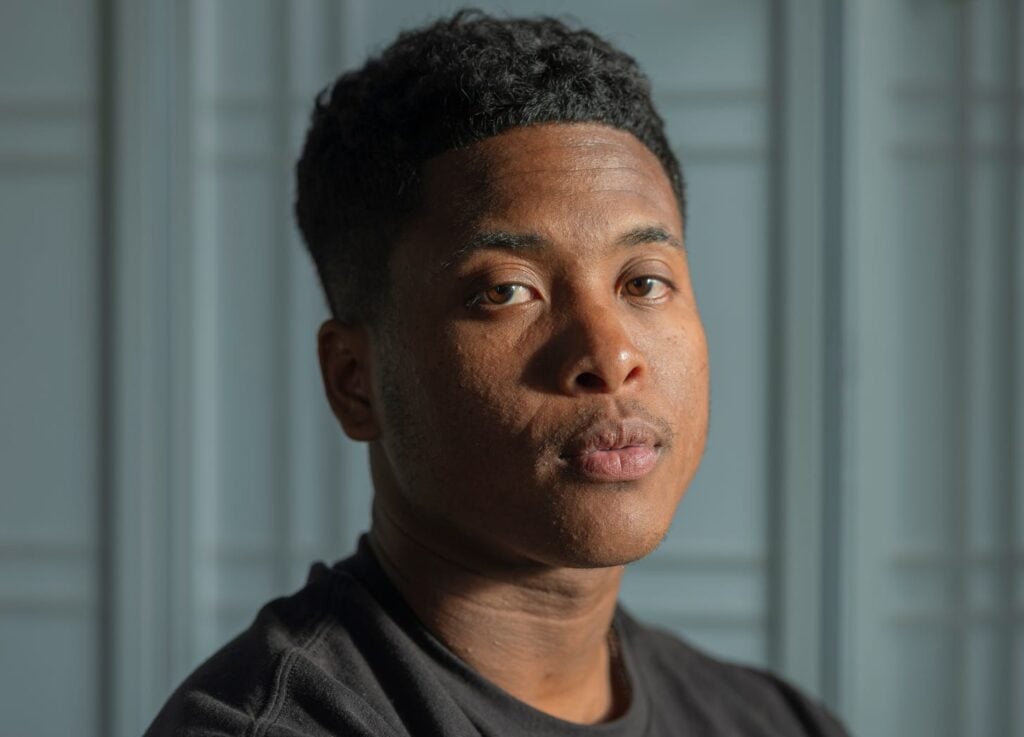
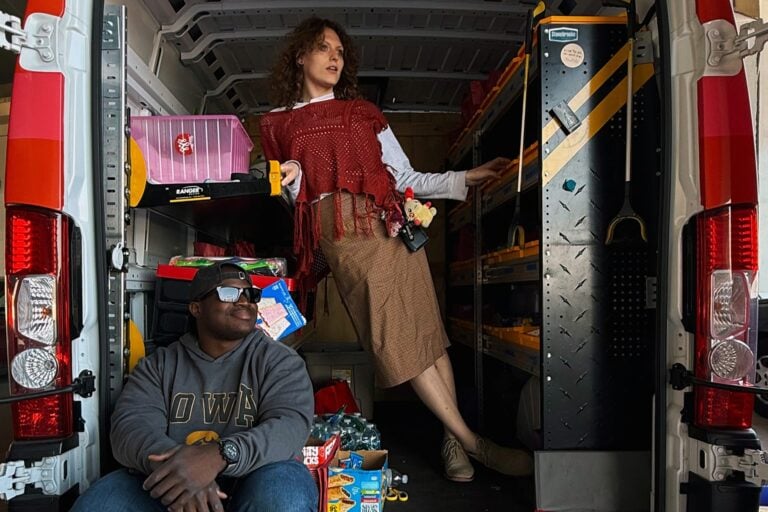
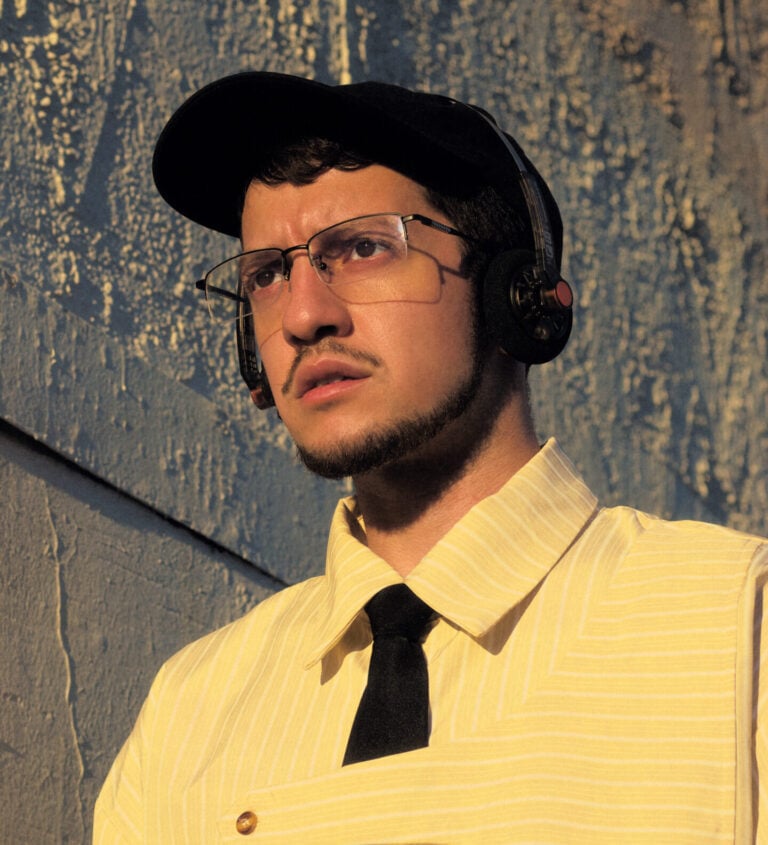
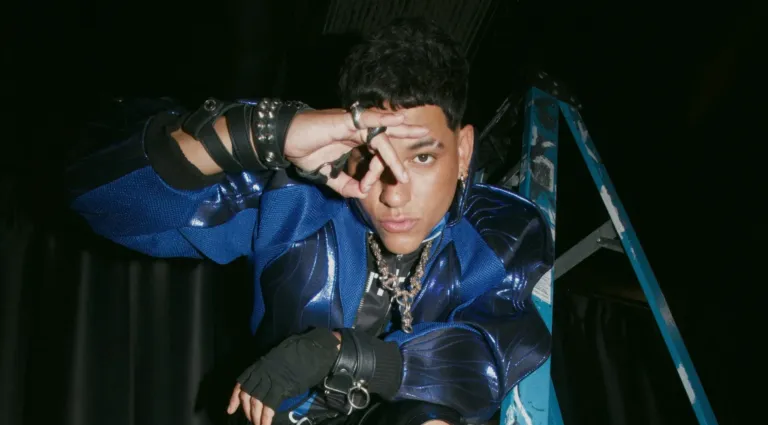
Koda Daily. Photo by Christian Navarro for Uncloseted Media.
Key Findings:
- LGBTQ young adults are more than twice as likely to experience homelessness as their non-LGBTQ peers, according to national research.
- Homelessness has remained a pressing issue for queer youth for at least two decades, despite increases in federal funding for homelessness at large.
- Greater LGBTQ visibility doesn’t always translate into safety. Experts describe a “paradox of progress,” where growing acceptance encourages young people to come out despite rejection at home.
- Family rejection, discrimination, mental health struggles and gaps in support can push LGBTQ youth into homelessness and make it harder to regain stability.
- Experts say prevention requires more than emergency shelter. Direct cash assistance, LGBTQ-affirming services, mental healthcare and stronger legal protections could help young people stay housed.
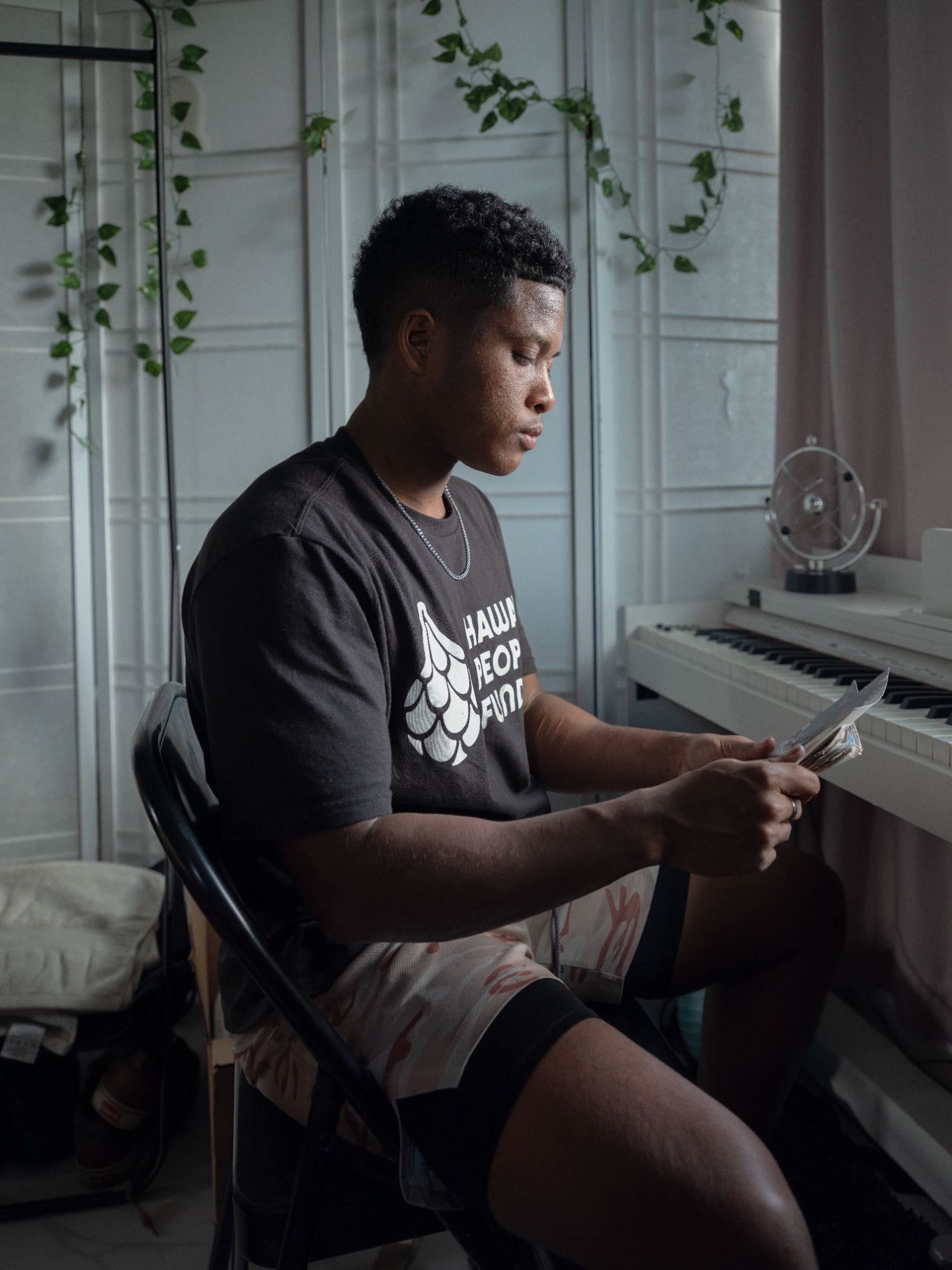
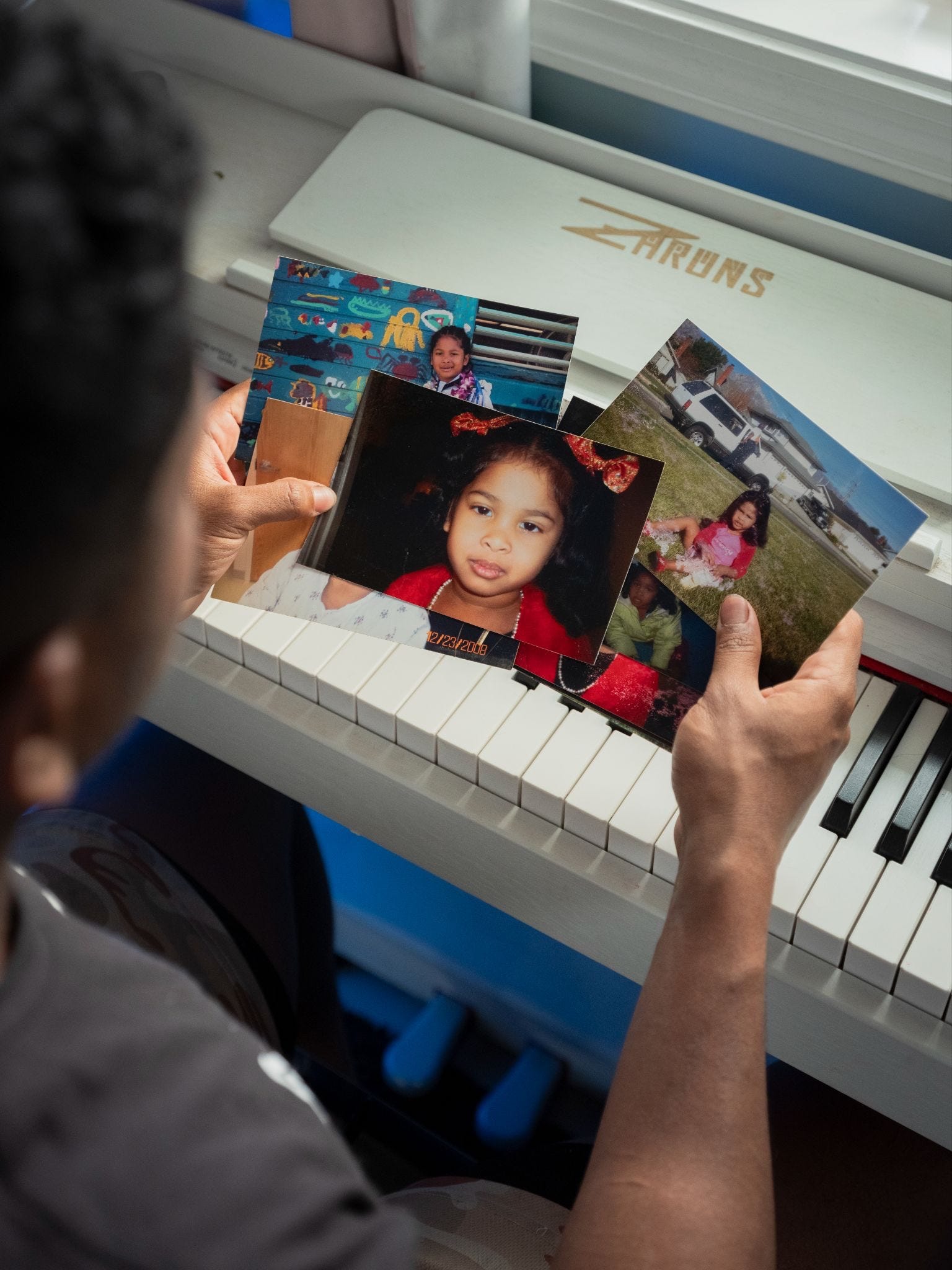
Koda Daily, 23, has been homeless for more than four of the last seven years. He says he left his family home in Hawaii at 16 because his mother, who died last year, had become increasingly absent and both of his parents struggled to accept his gender identity.
“I felt really alone and isolated,” Daily, who is transgender, told Uncloseted Media. “It was just me against the world.”
For the remainder of his teen years, Daily bounced from one friend’s couch to another with brief stints at his father’s house. He enrolled in college at 18, while simultaneously working two jobs, but he says the lack of stable housing caused his grades to slip and his substance abuse and depression to escalate. The trifecta led him to leave school in his freshman year.
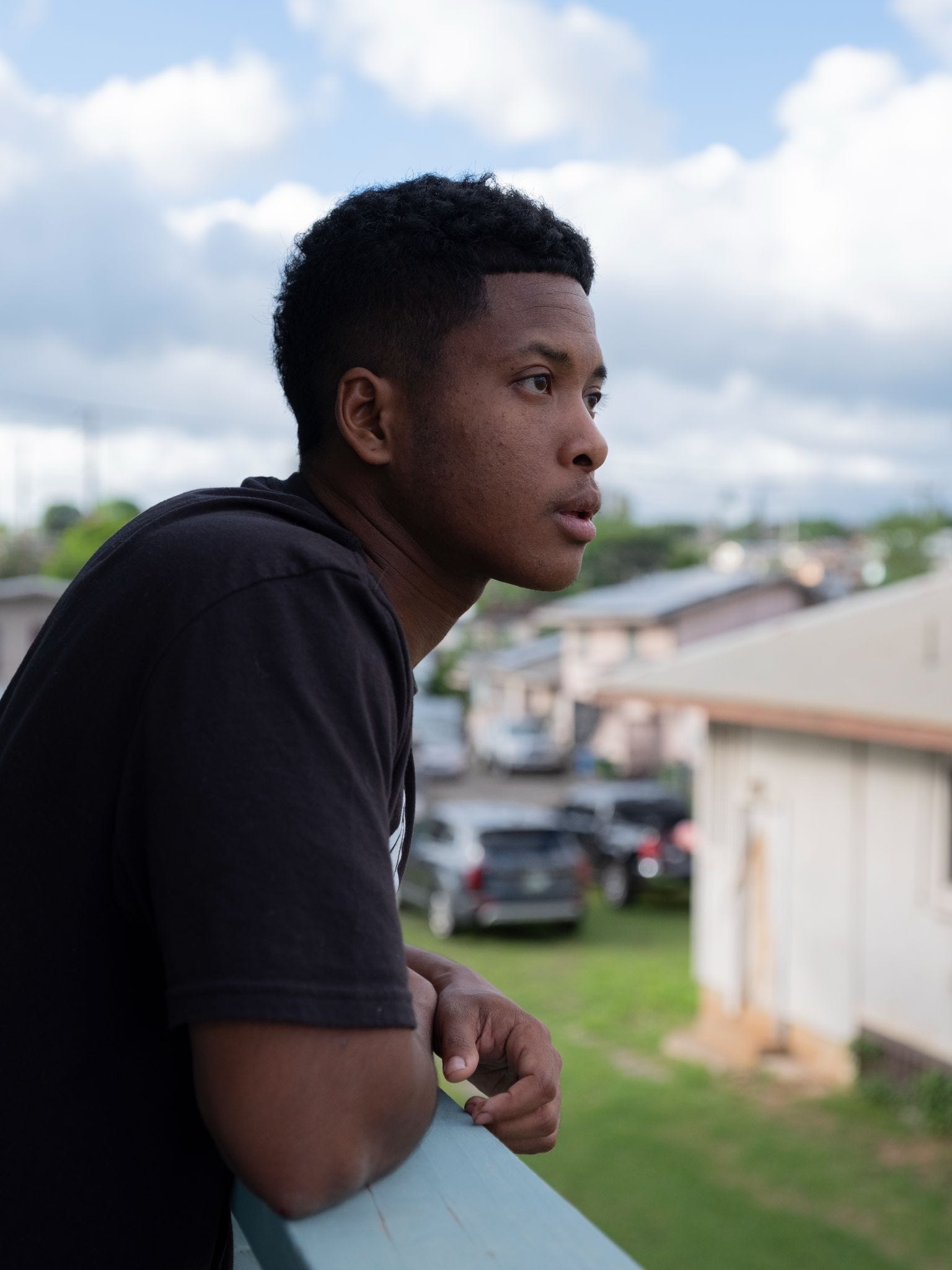
After dropping out, Daily moved to a friend’s boat. Despite having neither running water nor a toilet, the boat provided a relatively stable living situation, he says. But after a year and a half, he lost that shelter, too, when his friend was behind on rent owed to the harbor.
Daily says housing instability exacerbated his anxiety, depression and gender dysphoria.
“I wanted to die,” he says, adding that he attempted suicide at least 10 times.
For at least the past two decades, research has shown that LGBTQ people are overrepresented among the millions of youth and young adults experiencing homelessness in the U.S. Widely cited research published in 2018 by Chapin Hall, a Chicago-based research and policy center, found that LGBTQ people ages 18 to 25 were more than twice as likely as their non-LGBTQ peers to have recently been homeless. A separate study published in 2022 by The Trevor Project found that 28% of LGBTQ youth surveyed reported experiencing homelessness or housing instability at some point in their lives.
LGBTQ people who have experienced homelessness, along with experts and advocates in the field, point to a web of factors that leave queer young people vulnerable to losing stable housing, including family rejection, untreated mental health conditions and higher risks of substance use. But researchers say another dynamic may also be at work: the gap between the growing visibility and perceived acceptance of LGBTQ people and the reality young people encounter at home.
‘Paradox of Progress’
In the U.S., young people are identifying as LGBTQ at significantly higher rates than previous generations: A Gallup poll conducted last year found that nearly 1 in 4 U.S. adults ages 18 to 29 identified as LGBTQ, compared to just 1 in 10 of those ages 30 to 49.
But highly visible gains in LGBTQ rights and increased acceptance can create the impression that queer young people are broadly safer than they once were, says Carin Tunåker, a law lecturer at England’s University of Kent who has studied LGBTQ youth homelessness in the U.S. and U.K. for nearly two decades. However, she notes that legal milestones like same-sex marriage, growing acceptance and more widespread representation do not necessarily make individual homes safer or eliminate the societal forces that push LGBTQ youth into homelessness.
In some cases, she says, the sense of progress may leave young people more exposed: The greater visibility and acceptance make them feel safer coming out earlier. But the families and communities these young adults depend on for their basic needs may remain hostile to their identity. Tunåker calls this phenomenon “the paradox of progress.”
“People have this idea that [since] progress has happened and society is getting better … it’s going to be safe, it’s going to be OK to come out as a trans person or a queer person,” Tunåker told Uncloseted Media. “But the reality that people face is not always what they expected.”
Tunåker says that once that support from their family or community disappears, they do not get much help with housing and other basic needs from society.
Alex Roque, the president of New York’s Ali Forney Center, the largest community center helping LGBTQ homeless youth and young adults in the U.S., has seen this so-called paradox of progress firsthand. Roque says requests for beds in the center soared following two landmark same-sex marriage rulings.
“Our waiting list went from roughly 100 young people to 200 young people in a matter of weeks when it passed in New York,” Roque told Uncloseted Media. “When marriage passed on a national level, we saw another increase.”
Roque adds that in the past decade there has been a growing demand for services from the center, with the number of young adults seeking help increasing 20% every year since 2016.
“The anti-LGBTQ sentiment in our country and the increased anti-LGBTQ hate and policy attacks on our community, we believe, are directly correlated with the increase in need,” Roque says. “In part because we’re making LGBTQ issues the headline in the news and forcing these conversations in families, getting people outed.”
Advances in LGBTQ visibility and rights have indeed collided with a renewed political backlash, particularly against transgender people. As of this year, 531 anti-LGBTQ bills are being tracked in state legislatures across the U.S. by the American Civil Liberties Union.
Tunåker agrees with Roque, saying, “The reason why homelessness for this group is not only staying the same but actually increasing is that LGBTQ people are constantly under attack, especially trans and nonbinary people, putting them at even more risk.”
Homelessness has remained a pressing issue for queer youth for at least two decades. Even as federal funding for homelessness has increased by about 22% the past decade, according to the Congressional Research Service and the Department of Health and Human Services’ FY2026 budget justification, the rates of homelessness for youth at large and overrepresentation have remained stagnant.
“The data has not gotten better in the past decade,” says Larry Cohen, co-founder of Point Source Youth, a nonprofit in New York working to prevent and end youth homelessness, referring to data on homelessness at large.
Establishing Trust and Safety
Debates about queer rights could result in LGBTQ youth being distrustful of authorities and hesitant to seek their help, Tunåker says, adding that this could contribute to homelessness among this population.
“Publicly removing rights or even having a public debate about the possibility of removing rights … makes people scared, and it makes them less likely to trust authorities to seek help,” she says.
That distrust extends to institutions meant to provide help. A 2020 Williams Institute report found that more than a quarter of transgender respondents who had experienced homelessness because of their gender identity in the previous year avoided shelters because they feared mistreatment. And the 2022 U.S. Transgender Survey found that 73% of respondents would feel uncomfortable asking police for help, underscoring how concerns about discrimination and safety can complicate access to assistance.
One solution experts suggest is using signals to show that LGBTQ people are welcome, like having a Pride flag in the window or posters for queer support groups.
While Tunåker supports training for providers, she says legal protections are also needed to ensure people won’t face discrimination when seeking support.
“You can do all the training in the world, but if somebody is transphobic, they’re probably not going to change that because of the training session,” she says. “There needs to be a combination of information sharing and legal protections that say ‘you are not allowed to discriminate against this person’ and [that] ‘legal action [will be] taken if such discrimination occurs.’”
Prevention and Tailored Support
Beyond signaling that queer youth are welcome and accepted, prevention can begin long before a young person is left without housing. The Trevor Project recommends stronger anti-discrimination and anti-bullying protections to help LGBTQ youth remain connected to school and employment, as well as family counseling and mediation programs aimed at reducing conflict around a young person’s identity and keeping families together. It also calls for better exit planning for LGBTQ youth leaving foster care and broader anti-poverty policies that can reduce housing instability before it reaches a crisis point. “One of the things that protects all of us from being unhoused is what they call permanent connections,” says Amy Stone, a professor of sociology and anthropology at Trinity University, who researches LGBTQ youth housing instability and family support.
Those connections don’t necessarily have to come from parents. Stone’s research found that young people who maintained relationships with extended family members and other trusted adults were sometimes able to avoid homelessness by staying with someone they knew. For LGBTQ youth who cannot safely remain with their parents, those relationships can provide an alternative support system.
“It takes kind of a social security net that kind of comes from community to keep youth housed,” Stone says.
Some advocates are offering financial assistance to youth experiencing housing instability as a way to intervene before they become homeless. Point Source Youth partners with local providers on programs that give young people money directly. Its approaches include recurring cash transfers and targeted assistance intended to prevent homelessness, alongside support such as housing navigation and financial coaching.
“It’s more than just giving them money; it’s the money plus services and support with social workers to follow up consistently with the young person to make sure there’s not another unexpected crisis and that they are connected to resources to really stabilize them,” Cohen told Uncloseted Media.
Tre’Darian Daniels, a queer 23-year-old youth consultant for Point Source Youth based in Charlotte, North Carolina, says many programs he encountered while he was unhoused required young people to wait before receiving help.
“There weren’t a lot of programs that were there for immediate help,” he says.
Daniels experienced about two months of homelessness on and off, staying with a friend and in hotels while working back-to-back double shifts at a restaurant where he was able to get food.
“I was kind of in survival mode at that time,” he says. “I was just doing what I could to be as safe as I could and make it through but it wasn’t sustainable.”
While shelters can provide emergency support, Daniels needed more than housing: a buffer of money to catch his breath and reassurance that he had a plan.
Emerging research conducted by Point Source Youth suggests that relatively modest cash payments can help young people avoid entering shelters. A Point Source Youth pilot program provided youth households with one-time payments averaging $3,700, alongside housing planning and optional support. They surveyed 311 participants. Of the 229 respondents, 92% reported no recorded use of homelessness services within six months of receiving assistance.
Compared to shelter costs, $3,700 is similar to the monthly cost of a bed in a shelter. In New York City in 2025, one bed cost approximately $47,000 to $55,000 annually—amounts the City Council said still fell short of covering providers’ operating costs.
However, shelters don’t always address the needs of LGBTQ homeless youth, Brandon Robinson, associate professor at the University of California, Riverside and researcher of LGBTQ homeless youth, told Uncloseted Media. “We know that most folks in shelters cycle between shelters, the streets, and jails. They’re violent, they’re noisy, they’re obviously gender segregated, and so that causes a lot of problems for trans folks. They don’t work long-term.”
Daniels’ sexuality had already narrowed the safety net he could rely on. He said strained relationships with relatives over his sexuality and positive HIV status made him uncomfortable turning to family when he became unhoused.
“My mental health was not at all in a good place,” he says.
Instead, he kept returning to Time Out Youth, an LGBTQ organization that supports youth in North Carolina, where staff helped him work through his housing options until he found an apartment he could afford.
Eventually, he found an apartment with rent low enough that he could remain stably housed, and he has lived there ever since.
Mental Health Goes Hand in Hand
Despite prevention and support, establishing stability is not easy for the LGBTQ community. Chapin Hall describes youth homelessness as associated with mental health challenges, substance use and other forms of adversity, with homelessness itself carrying consequences including worsening mental health, suicidality and substance addiction. A 2022 Trevor Project report found that LGBTQ youth who had experienced homelessness or housing instability had nearly twice the odds of reporting anxiety and depression and almost four times the odds of attempting suicide compared with LGBTQ youth who had remained stably housed.
Stone says homelessness and mental health can become mutually reinforcing.
“It makes it very, very hard to progress in other ways,” she says, adding that homelessness makes it “very challenging to finish school, start school, have relationships, and get out of survival mode.”
Marco Lagos, 25, says the intertwining of his queer identity, his substance abuse and family conflicts contributed to his homelessness.
“Because of my queerness, my family wasn’t always accepting of me,” he told Uncloseted Media. “When I was expressing my gender fluidity, it was a constant lack of respect that I would be receiving.”
The name-calling and bullying from family members contributed to the shame and isolation he felt around his identity, he says, adding that his desire to numb the emotional pain fueled his substance abuse.
“It was a constant cycle,” Lagos recalls. “And my queerness was like a huge trigger. So every time I would get disrespected as far as my experiences or who I was and not seen as valid, it would just cause me to lash out and self-destruct.”
He says he was eventually asked to leave the house when he was about 18 for stealing money from his family to support his methamphetamine use.
For roughly three years, Lagos says he slept in cars, at hotels and in the homes of friends and a few accepting family members. Sometimes he secured an apartment or a job, only to lose it due to drug use and mental health struggles and fall back into a cycle of instability.
“The first two weeks being on the streets were brutal. You’re on the ground, you’re walking a lot. I was going to family members’ homes, then burning bridges with them and having to relocate from one place to another, couch surfing,” he says. “Just living day to day with no sort of plan for the future. It was very depressing. It was always just figuring out what the next move was.”
Some nights were spent on the actual street, while others consisted of having sex with someone just to have a warm bed for the night.
“It was very dehumanizing,” he says. “It was having nowhere to regroup, nowhere to reset. … My second [suicide] attempt was during the period of me being homeless and I had just nowhere to go. I was very hopeless.”
Time Out Youth, the same Charlotte, North Carolina, organization that helped Daniels, became a source of support, helping Lagos secure housing and access mental health treatment. “My therapist helped me go to rehab,” he says.
Lagos says mental health and his housing went hand in hand: Having his own space gave him the peace to focus on recovery, and having the mental health support like therapy and medication helped him maintain stability and keep paying rent.
In July, Lagos said he was 21 months sober from meth, had stable housing and income, and was preparing to return to community college to study art. He was also rebuilding relationships with his family.
“I’m falling in love with life again,” Lagos says.
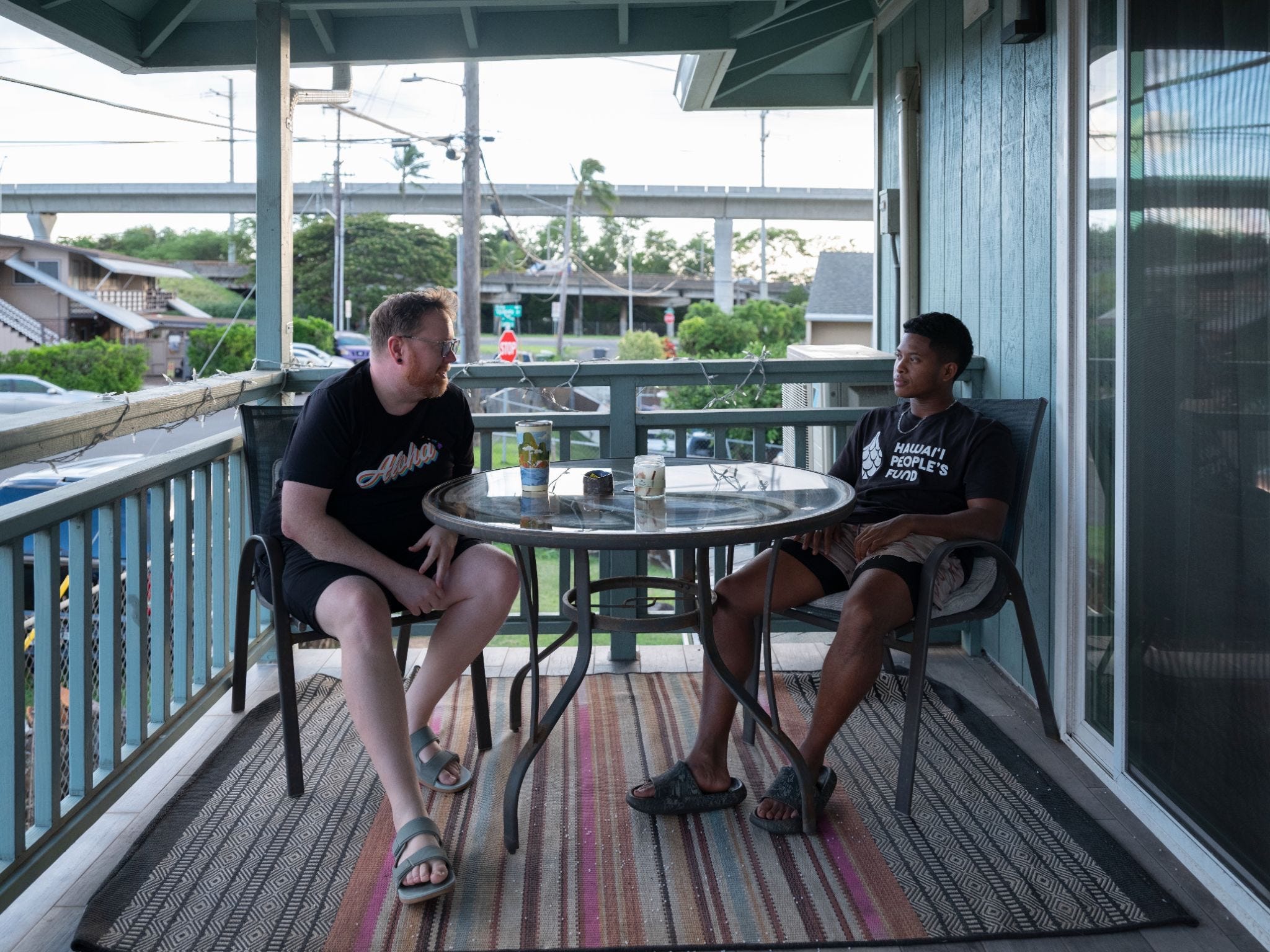
Similarly for Daily, his sense of safety came through the Hawaiʻi Health & Harm Reduction Center, where he found work and, for the first time, an affirming queer community that showed him “there’s a place that people actually can accept me.” When he had to leave the boat, they helped him get into transitional housing and find support.
But in order to make these resources more widely available and reduce the rate of homelessness, Cohen, co-founder of Point Source Youth, says it requires more than increasing financial aid. He emphasizes the importance of ongoing support from social workers to ensure young people are “connected to resources to really stabilize them.”
For Lagos, who spent years cycling through homelessness before finding stable housing and mental health treatment, knowing where to turn was part of the problem.
“A lot of the barriers sometimes can be the lack of resources existing,” Lagos says. “If there were more school districts all around the country that … were willing to disclose or inform students of resources, then I feel like that would help a lot of youth.” He adds that it wasn’t until he received this support that he finally felt seen.