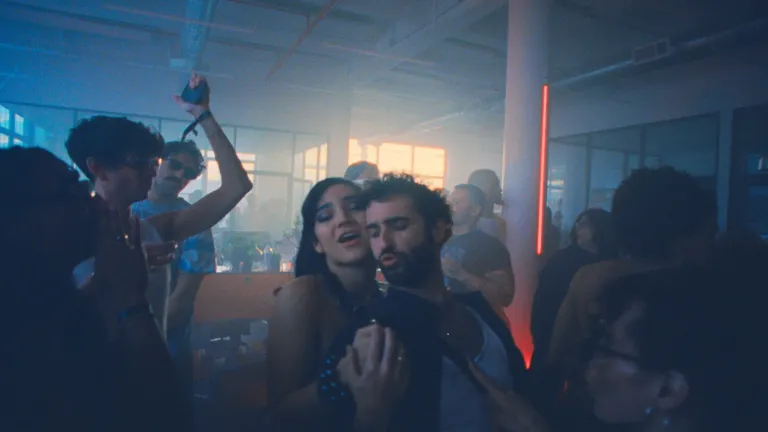
For a lot of gays, nightlife is more than just going out for a drink. It’s packed dance floors, DJ sets that go until sunrise, warehouse parties, Pride events, music festivals, concerts, and all the queer joy, connection, and freedom that can come with those spaces.
Loud music is part of the experience, so protecting your hearing should be, too. Whether you’re a regular at the club, a live music lover, or someone who occasionally finds themselves standing directly in front of a speaker at 2 a.m., a few simple habits can help protect your ears.
How Loud Is Too Loud?
So how do you know when the music has crossed the line from fun loud to potentially damaging loud?
According to the World Health Organization’s safe-listening guidance, sounds below 80 decibels are unlikely to cause hearing damage. As the intensity of sound increases, however, so does the potential risk. And how long you’re exposed matters, too.
You can use a sound-level app to get a rough idea of how loud your surroundings are. The CDC’s free NIOSH Sound Level Meter app can measure the sound level around you using your phone’s microphone.
But if you don’t want to deal with another app, here’s a good way to test: If you have to raise your voice to talk to someone standing about an arm’s length away, the environment is probably too loud for prolonged exposure.
And if you’re standing directly in front of the speakers at your favorite club? That’s another pretty good clue.
Why Do Your Ears Ring After a Night Out?
Ever left a club and realized your ears are ringing? Inside your ears are tiny sensory cells that help you hear. According to the WHO, loud sounds can temporarily fatigue these cells, which can result in temporary hearing loss or tinnitus, aka the ringing, buzzing, or humming sound you hear when there’s no external source making the noise.
Sometimes your hearing returns to normal as those cells recover. But repeated or prolonged exposure to loud sounds can permanently damage the sensory cells and other structures in the ear. That can lead to noise-induced hearing loss (NIHL), which can be irreversible.
And this hearing loss often happens gradually, so you may not notice it right away. You might first realize that certain high-pitched sounds are harder to hear, or that following a conversation in a crowded bar has become more difficult. Over time, those small changes can become more noticeable.
So, Should You Wear Earplugs to the Club?
Yes.
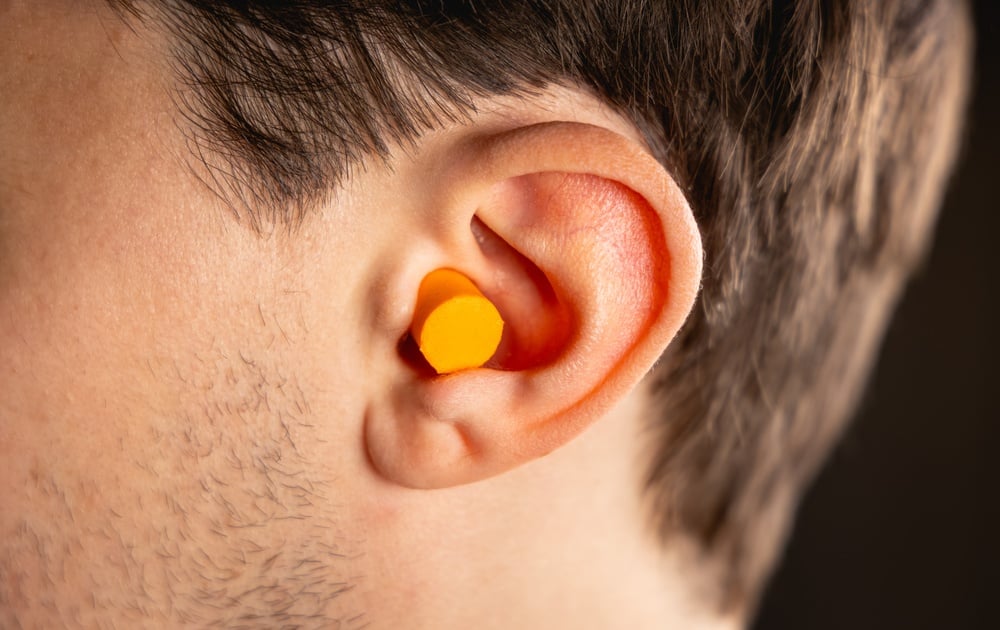
The WHO recommends using earplugs in noisy environments, and wearing them regularly and properly can significantly reduce the amount of sound reaching your ears. If you’re heading somewhere with loud music, putting your earplugs in before the music gets loud is much better than waiting until your ears start ringing.
And the good news is there are lots of nightlife-specific earplug options created for concerts, festivals, and nightlife. And if you’re wondering which are the best ear protection devices for concerts and clubs, it’s really any that fit well and you’ll actually wear.
Here’s a secret: many clubs have free earplugs at the coat check or behind the bar: just ask if they have a pair.
Give Your Ears a Break
The WHO recommends spending about 10 minutes in a quiet space after every hour in a loud environment. If your favorite club has a patio, outdoor area, quieter hallway, or somewhere away from the speakers, take advantage of it.
Think of it as a reset for your ears (and potentially a chance to check in with your friends, get some water, or figure out where the night is going next).
Where you stand matters, too. Sound intensity decreases as you move farther away from the source. So if you want to spend hours dancing, consider giving yourself some distance from the speaker or amplifier rather than planting yourself directly beside it for the entire set.
How Long Can You Listen to Loud Music For?
Hearing protection isn’t just about volume, it’s also about length of exposure.
According to WHO safe-listening guidance, you can listen to sound at around 80 decibels for up to 40 hours per week. At 90 decibels, that recommended listening time drops to about four hours per week.
In other words, there’s a big difference between hearing loud music for a few minutes and spending an entire night surrounded by it.
And because clubs and concerts can get much louder than everyday environments, a night out can add up quickly. That’s why a combination of lower exposure, ear protection like earplugs, distance from speakers, and regular quiet breaks can make a difference.
What To Do If Your Ears Are Already Ringing
If you leave a club and your ears are ringing or your hearing feels muffled, give them some quiet time.
Temporary symptoms can improve as your ears recover. But persistent ringing, difficulty hearing high-pitched sounds, or trouble following conversations can be signs that it’s time to talk to a hearing professional.
And don’t assume hearing loss is something you only need to worry about decades from now. Noise-induced hearing loss can happen to anyone who is repeatedly exposed to loud sounds, regardless of age.
Protect Your Hearing Without Giving Up the Nightlife
There’s no reason your options have to be never go to another loud club again or accept hearing damage as the price of having fun. You can wear earplugs. You can move away from the speakers. You can take a 10-minute breather somewhere quiet. You can keep an eye on sound levels. None of those things mean you have to enjoy nightlife any less.
Because queer spaces, dance floors, DJs, concerts, parties, and the people you meet at 3 a.m. can be a huge part of what makes nightlife special. Your hearing is worth protecting, so you can keep enjoying all of it.
Want to find the best earplugs? Do a search on Amazon or Google and find a pair you’ll actually wear: that’s the most important part.