Most men don’t realize how much their plate influences what’s happening with their hormones. Before reaching for supplements or considering medical interventions, the foods you eat every day play a surprisingly direct role in testosterone production. The science here isn’t complicated: your body needs specific raw materials to manufacture hormones, and if those materials are missing from your diet, production slows down. The good news is that the best foods to increase your testosterone are widely available, affordable, and genuinely delicious. This isn’t about choking down some obscure superfood or following a punishing diet. It’s about understanding which nutrients matter most and building meals around them. Whether you’re a 25-year-old athlete or a 55-year-old noticing a dip in energy, what follows is a practical, evidence-based look at the dietary choices that actually move the needle on testosterone levels.
The Role of Nutrition in Hormonal Balance
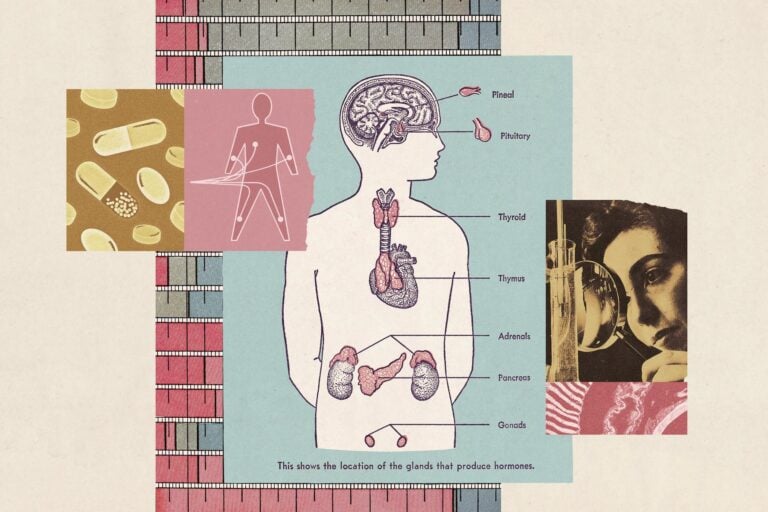
Your endocrine system doesn’t operate in a vacuum. It responds to sleep, stress, exercise, and critically, to the nutrients you feed it. Testosterone, like all steroid hormones, is synthesized through a chain of biochemical reactions, and each step in that chain requires specific vitamins, minerals, and macronutrients. Skip any of those inputs, and the whole process bottlenecks.
A 2020 study published in the journal Nutrients found that men with nutrient-dense diets had measurably higher free testosterone levels compared to those eating calorie-rich but nutrient-poor diets. That distinction matters. You can eat plenty of calories and still be functionally deficient in the micronutrients your body needs for hormone production.
Key Nutrients for Testosterone Synthesis
Three nutrients stand above the rest for testosterone production: zinc, vitamin D, and magnesium. Zinc is a direct building block. Your body cannot produce testosterone without adequate zinc levels, and because your body doesn’t store zinc long-term, you need a consistent dietary supply. Vitamin D functions more like a hormone itself, and research consistently links low vitamin D status with low testosterone. Magnesium supports over 300 enzymatic processes, including those involved in converting cholesterol into pregnenolone, the precursor to testosterone.
B vitamins, particularly B6, also play a supporting role by regulating prolactin levels. High prolactin can suppress testosterone production, so keeping B6 intake adequate helps maintain a hormonal environment where testosterone can thrive.
How Dietary Fats Influence Steroid Hormones
Here’s something that trips people up: testosterone is literally made from cholesterol. That means very low-fat diets can actually suppress testosterone production. A study in the Journal of Steroid Biochemistry and Molecular Biology found that men who switched from a high-fat diet (about 40% of calories from fat) to a low-fat diet (about 20% of calories from fat) experienced a significant drop in total testosterone.
The type of fat matters too. Monounsaturated fats, found in olive oil, avocados, and nuts, show the strongest positive association with testosterone levels. Saturated fat in moderate amounts also supports steroid hormone synthesis. Trans fats, on the other hand, are associated with lower testosterone and impaired testicular function. The takeaway isn’t to drown everything in butter, but rather to stop fearing dietary fat and start choosing the right kinds.
Top Zinc-Rich Foods for Male Health
Zinc is the single most studied mineral in relation to testosterone. Research from Wayne State University demonstrated that restricting zinc intake in young men for just 20 weeks reduced their testosterone levels by nearly 75%. That’s a staggering drop from a single nutrient deficiency. On the flip side, zinc supplementation in zinc-deficient older men roughly doubled their testosterone levels over six months.
The recommended daily intake for adult men is 11 mg, but many men fall short, especially those who avoid red meat or shellfish. Here’s where to find it.
Oysters and Shellfish
Oysters are the undisputed champion of zinc density. A single 3-ounce serving of raw oysters delivers roughly 32 mg of zinc, nearly three times the daily recommended value. No other food comes close on a per-serving basis. Other shellfish perform well too: crab provides about 6.5 mg per 3-ounce serving, and lobster offers around 3.4 mg.
Beyond zinc, oysters are rich in selenium and vitamin B12, both of which support reproductive health and energy metabolism. If you’re not an oyster fan, canned smoked oysters are an easy, affordable alternative that you can toss on crackers or into pasta.
Red Meat and Poultry
A 4-ounce serving of beef chuck roast contains about 7 mg of zinc, while ground beef provides around 5.3 mg per serving. Beef also delivers heme iron and B12, both of which support the energy systems that keep hormone production running smoothly. Lamb and bison are comparable alternatives.
Chicken and turkey are lower in zinc, around 2-3 mg per serving, but they contribute meaningfully when eaten regularly. Dark meat tends to be slightly higher in zinc than white meat, so don’t always default to chicken breast if zinc is a priority.
Plant-Based Zinc Sources
Vegetarians and vegans face a particular challenge here because plant-based zinc sources contain phytates, compounds that reduce zinc absorption by up to 50%. That doesn’t make plant zinc useless, but it means you need to eat more of it to hit the same effective dose.
Pumpkin seeds are the standout, offering about 2.2 mg per ounce. Hemp seeds, chickpeas, lentils, and cashews are all decent sources. Soaking and sprouting legumes before cooking can reduce phytate content and improve mineral absorption. Fermented foods like tempeh also have better zinc bioavailability than their unfermented counterparts. If you eat a fully plant-based diet, tracking your zinc intake for a week or two is worth the effort to see where you actually land.
Vitamin D and Magnesium Powerhouses
Vitamin D deficiency is shockingly common: an estimated 42% of American adults have insufficient levels, according to data reviewed by the Endocrine Society. For men, this matters because vitamin D receptors are found throughout the male reproductive tract, including in Leydig cells, which are the cells directly responsible for producing testosterone. A randomized controlled trial published in Hormone and Metabolic Research found that men who supplemented with vitamin D for one year saw a significant increase in total testosterone compared to a placebo group.
Magnesium tells a similar story. A 2011 study in Biological Trace Element Research found that magnesium supplementation increased free and total testosterone in both sedentary men and athletes, with a more pronounced effect in those who exercised.
Fatty Fish and Egg Yolks
Salmon, mackerel, sardines, and herring are among the few foods that naturally contain meaningful amounts of vitamin D. A 3.5-ounce serving of wild-caught salmon provides roughly 600-1,000 IU of vitamin D, which is close to the full daily recommendation. These fish also deliver omega-3 fatty acids, which reduce inflammation that can impair hormone signaling.
Egg yolks are another reliable source, providing about 40 IU of vitamin D per yolk along with cholesterol (the raw material for testosterone synthesis) and choline. The old advice to eat only egg whites was always nutritionally misguided. The yolk is where the hormonal benefits live. Aim for whole eggs from pasture-raised hens when possible, as their vitamin D content can be 3-6 times higher than conventional eggs.
Leafy Greens and Seeds
Magnesium-rich foods deserve a permanent spot on your plate. Spinach leads the pack with about 157 mg of magnesium per cooked cup, followed by Swiss chard at around 150 mg. These greens also provide folate and nitrates, which support blood flow and cardiovascular health, both relevant to male vitality.
For seeds, pumpkin seeds pull double duty: they’re high in both zinc and magnesium, delivering about 150 mg of magnesium per ounce. Flaxseeds, chia seeds, and sunflower seeds are also solid choices. A simple habit like adding a tablespoon of pumpkin seeds to your morning oatmeal or salad can meaningfully boost your mineral intake without requiring any dramatic dietary overhaul.
Antioxidant-Rich Foods to Protect Testosterone
Producing testosterone is only half the equation. You also need to protect it from being broken down prematurely. Oxidative stress, caused by an excess of free radicals in the body, damages Leydig cells and reduces their ability to produce testosterone. This is where antioxidants enter the picture: not as a trendy buzzword, but as a genuine biochemical defense system.
Chronic inflammation and oxidative stress are particularly relevant for men over 40, when natural testosterone decline accelerates. The right antioxidant-rich foods can slow that decline and support the hormonal machinery you already have.
Pomegranates and Berries
Pomegranate juice has some of the most interesting research behind it. A study published in Endocrine Abstracts found that participants who drank pomegranate juice daily for two weeks experienced a 24% average increase in salivary testosterone levels. The juice is dense in polyphenols and ellagitannins, which combat oxidative damage in reproductive tissues.
Berries, particularly blueberries, blackberries, and raspberries, are loaded with anthocyanins and vitamin C. These compounds protect cells from oxidative damage and support the enzyme pathways involved in steroid hormone production. Fresh or frozen, berries are one of the easiest testosterone-friendly foods to work into your diet. Throw a handful into a smoothie, top your yogurt, or just eat them straight.
Cruciferous Vegetables for Estrogen Regulation
Broccoli, cauliflower, Brussels sprouts, kale, and cabbage contain a compound called indole-3-carbinol (I3C), which helps your body metabolize estrogen more efficiently. Why does that matter for testosterone? Because testosterone and estrogen exist in a ratio. When estrogen levels climb, whether from excess body fat, environmental xenoestrogens, or poor liver detoxification, the relative impact of your testosterone decreases.
I3C promotes the conversion of strong estrogen metabolites into weaker forms, effectively shifting the testosterone-to-estrogen ratio in your favor. Eating two to three servings of cruciferous vegetables per week is a reasonable target. Cooking them lightly, steaming rather than boiling, preserves more of the beneficial compounds. Raw is fine too, especially for broccoli sprouts, which contain particularly concentrated levels of sulforaphane, another compound with anti-estrogenic properties.
Foods to Limit or Avoid for Optimal Levels
Knowing what to eat is only useful if you also know what’s working against you. Several common foods and dietary patterns actively suppress testosterone or promote the hormonal conditions that lower it.
Excess sugar is near the top of the list. A study in Clinical Endocrinology showed that glucose ingestion caused a 25% drop in testosterone levels within two hours, regardless of whether the men had diabetes or normal glucose tolerance. That’s not a small effect, and it happened after a single sugary drink.
Highly processed foods deserve scrutiny too, not just for their sugar content but for their packaging. BPA and phthalates, found in many plastic food containers and can linings, are endocrine disruptors that mimic estrogen in the body. Choosing fresh foods over heavily packaged ones reduces your exposure.
Alcohol is dose-dependent. A beer or two occasionally won’t tank your hormones, but chronic heavy drinking is strongly associated with lower testosterone and higher estrogen in men. Soy-based foods are more nuanced than the internet suggests: moderate soy consumption (a serving or two daily) doesn’t appear to significantly affect testosterone in most men, but consuming large quantities of processed soy products could theoretically contribute to higher phytoestrogen intake.
Refined carbohydrates and trans fats round out the list. Both promote insulin resistance and systemic inflammation, creating a hormonal environment that favors fat storage and estrogen production over testosterone synthesis.
Creating a Sustainable Testosterone-Boosting Meal Plan
Knowing the top foods for boosting testosterone naturally is step one. Turning that knowledge into daily habits is where the real results come from. The key word here is sustainable: a diet you abandon after two weeks does nothing for your long-term hormonal health.
Here’s a practical framework for building your meals:
- Breakfast: 2-3 whole eggs (pasture-raised if possible), sauteed spinach, and a handful of pumpkin seeds. This covers vitamin D, magnesium, zinc, cholesterol, and healthy fats before noon.
- Lunch: Grilled salmon or sardines over a bed of mixed greens with olive oil dressing, paired with a side of roasted broccoli. You’re hitting omega-3s, vitamin D, magnesium, and cruciferous vegetables in a single meal.
- Snack: A small bowl of mixed berries with a few Brazil nuts (for selenium, another testosterone-supporting mineral).
- Dinner: Grass-fed beef or lamb with roasted sweet potatoes and steamed Brussels sprouts. This delivers zinc, B vitamins, and I3C.
You don’t need to follow this template rigidly. The principle is simple: build each meal around a quality protein source, include at least one vegetable, add a healthy fat, and rotate through zinc-rich, magnesium-rich, and vitamin D-rich foods throughout the week.
Consistency matters more than perfection. A man who eats oysters twice a month, has eggs most mornings, eats fatty fish twice a week, and includes cruciferous vegetables regularly will be in a far better position hormonally than someone who eats perfectly for three days and then reverts to fast food.
One last thing: food works best in partnership with other lifestyle factors. Sleep deprivation (under 5 hours) can reduce testosterone by 10-15% in just one week. Resistance training has one of the strongest acute effects on testosterone of any intervention. Managing stress keeps cortisol from chronically suppressing your hormonal output. Diet is the foundation, but it’s not the entire building.
Start with two or three changes this week rather than overhauling everything at once. Swap your cooking oil to extra virgin olive oil. Add eggs back to breakfast. Buy a bag of pumpkin seeds. Small, consistent shifts in what you eat can produce measurable hormonal changes within weeks, and unlike supplements with questionable purity and dosing, real food comes with zero fine print.