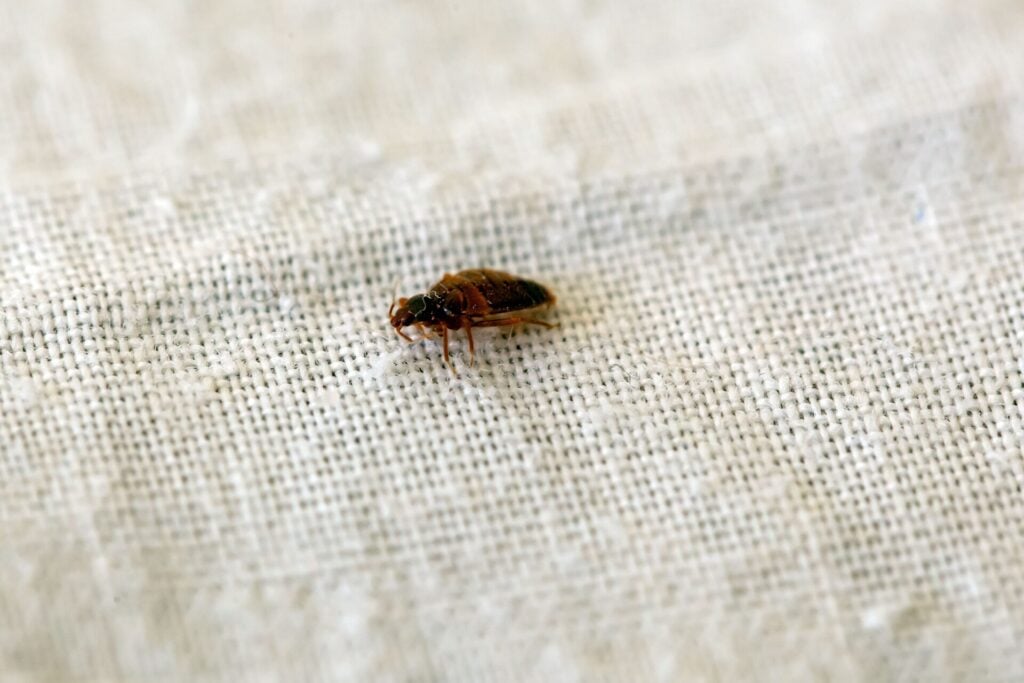
Bed bugs are one of those problems most people assume will never happen to them, right up until they wake up covered in itchy welts with no explanation. These tiny parasites have been resurging across the globe for over two decades, and they don’t discriminate between five-star hotels and studio apartments. If you want to know how to identify bed bugs and avoid bringing them into your home, you’re in the right place. This guide covers what they look like at every life stage, where they hide, how to spot an infestation early, and the specific steps you can take to keep them out of your life for good. Think of this as everything you need to know about bed bugs and how to avoid them, distilled into practical advice you can actually use.
Recognizing the Physical Characteristics of Bed Bugs
Bed bugs belong to the family Cimicidae, and the species that most commonly feeds on humans is Cimex lectularius. They’re obligate blood feeders, meaning they need a blood meal to survive and reproduce. Understanding what they look like is your first line of defense, because catching them early can mean the difference between squashing a single bug and dealing with a full-blown infestation that costs thousands to treat.
Appearance Across Life Stages: Eggs, Nymphs, and Adults
Bed bug eggs are tiny, about 1 millimeter long, roughly the size of a pinhead. They’re pearly white, slightly translucent, and oval-shaped. Female bed bugs can lay between one and five eggs per day, often cementing them into cracks and fabric seams with a sticky substance that makes them surprisingly hard to dislodge.
Once hatched, nymphs go through five molting stages before reaching adulthood. First-stage nymphs are nearly translucent and about 1.5 millimeters long, making them extremely difficult to spot on light-colored sheets. After each blood meal, they molt and grow slightly larger and darker. A nymph that has recently fed will appear bright red due to the blood visible through its translucent body.
Adult bed bugs are about the size of an apple seed: roughly 5 to 7 millimeters long. They’re flat and oval when unfed, turning more elongated and reddish-brown after a meal. Their bodies have a distinctive ridged appearance from horizontal segments across the abdomen. Unlike many other household insects, they are wingless and cannot fly or jump.
Distinguishing Bed Bugs from Similar Looking Insects
People frequently confuse bed bugs with carpet beetles, bat bugs, and booklice. Carpet beetle larvae are fuzzy and have visible hair-like bristles, while bed bugs are smooth-bodied. Bat bugs look almost identical to bed bugs under casual observation, but they have longer fringe hairs on their pronotum (the area behind the head). The distinction usually requires a magnifying glass or a professional’s eye.
Booklice are much smaller and lighter in color, and they don’t bite. Fleas, another common mix-up, are laterally compressed (narrow side to side) and can jump significant distances, while bed bugs are dorsoventrally flat (squished top to bottom) and only crawl. If you’re unsure, capture the specimen in a sealed plastic bag and show it to a pest management professional or your local cooperative extension office.
Spotting the Early Warning Signs of an Infestation
The trouble with bed bugs is that infestations often go unnoticed for weeks or even months. A single pregnant female can establish a colony, and by the time most people realize something is wrong, the population has already multiplied significantly. Knowing the early signs can save you enormous stress and expense.
Identifying Bed Bug Bites and Skin Reactions
Bed bug bites typically appear as small, red, raised welts, often in clusters or linear patterns sometimes called “breakfast, lunch, and dinner” lines. They tend to show up on exposed skin: arms, shoulders, neck, and face. The bites themselves are painless at the moment they occur because bed bugs inject an anesthetic along with an anticoagulant while feeding.
Here’s the tricky part: roughly 30 percent of people show no visible reaction to bed bug bites at all. Others may not develop symptoms for up to 14 days after being bitten. This delayed reaction makes it easy to dismiss the problem or attribute it to mosquitoes or allergies. If you’re waking up with new bites that weren’t there when you went to sleep, especially in a pattern, bed bugs should be high on your suspect list.
Bite reactions vary widely from person to person. Some people develop small bumps that resolve in a day, while others experience intense itching, large welts, or even blistering. Scratching can lead to secondary infections, so resist the urge and apply an anti-itch cream containing hydrocortisone if needed.
Detecting Traces: Blood Stains, Fecal Spots, and Shed Skins
Even if bites aren’t visible, bed bugs leave physical evidence behind. Look for:
- Small rust-colored or reddish-brown stains on sheets and pillowcases, caused by bugs being crushed during the night
- Dark brown or black fecal spots, roughly the size of a marker dot, on mattress seams, sheets, and nearby walls (these are digested blood and will smear if wiped with a damp cloth)
- Translucent shed skins (exoskeletons) near hiding spots, left behind after each of the five nymphal molts
- A musty, sweet odor in heavily infested rooms, produced by the bugs’ scent glands
Finding even one or two of these signs warrants a closer inspection. Fecal spots are often the most reliable indicator because they accumulate over time and are harder to miss than the bugs themselves.
Common Hiding Spots and Where to Inspect
Bed bugs are nocturnal and photophobic, meaning they avoid light and tend to hide during the day within a few feet of their host. They’re remarkably good at squeezing into tight spaces: any crack wide enough to slide a credit card into can harbor bed bugs.
The Bedroom: Mattresses, Frames, and Bedding
Start your inspection with the mattress. Flip it over and examine every seam, piping edge, and tag. Pay special attention to the corners and any tears or holes in the fabric. Bed bugs love the piping along mattress edges because it provides a narrow gap that’s dark and close to a sleeping host.
Next, check the box spring. This is actually the most common hiding spot in many infestations because people rarely look there. Remove the dust cover on the bottom and inspect the wooden frame, staples, and fabric folds inside. The bed frame itself, particularly joints, screw holes, and any crevices where wood or metal pieces connect, should be examined carefully. Headboards, especially upholstered ones, are another prime location.
Don’t skip the bedding. Check along the seams of pillowcases, the folds of fitted sheets, and any blankets or comforters that stay on the bed. Nightstands and alarm clocks within arm’s reach of the bed are also worth inspecting.
Secondary Harbors: Furniture, Baseboards, and Electrical Outlets
As populations grow, bed bugs spread outward from the bed. Upholstered furniture like couches and armchairs can become secondary harborage sites, especially in living rooms where people nap or sit for extended periods. Check underneath cushions, along zippers, and inside the frame.
Baseboards and the gap between the baseboard and the wall are common hiding spots. Bed bugs can also tuck themselves behind loose wallpaper, picture frames, and wall-mounted decorations. Electrical outlet covers provide another surprisingly popular refuge: remove the cover plate and look inside with a flashlight.
In severe infestations, bed bugs have been found inside electronics, behind switch plates, in curtain rod brackets, and even inside books stored near sleeping areas. If you’re doing a thorough inspection, check any object within about 8 feet of the bed, as this is their typical travel range.
Prevention Strategies for Home and Travel
Knowing how to avoid bed bugs is just as important as knowing how to find them. Prevention isn’t complicated, but it does require consistent habits, especially if you travel frequently or live in a multi-unit building where infestations can spread between apartments through wall voids and shared plumbing.
Hotel Safety: How to Inspect Your Room Before Unpacking
The single most common way people pick up bed bugs is through travel. Before you settle into any hotel room, take five minutes to do a quick inspection:
- Place your luggage in the bathtub or on the luggage rack (away from the bed and walls) while you check the room.
- Pull back the sheets and inspect the mattress seams, especially at the corners and head of the bed.
- Check the headboard if it’s removable or can be pulled away from the wall.
- Look at the nightstand drawers and the upholstered furniture.
- Scan for fecal spots, shed skins, or live bugs.
This process takes less time than scrolling through your phone, and it can save you months of headaches. If you find anything suspicious, request a different room, ideally one that isn’t adjacent to or directly above or below the original room, since infestations often spread to neighboring units.
Online review sites and bed bug registries can give you a heads-up about hotels with reported problems, but take these with a grain of salt. A single report from years ago doesn’t mean a hotel currently has an issue, and even the cleanest hotels can have occasional introductions.
Post-Travel Protocols to Avoid Bringing Hitchhikers Home
What you do when you get home matters just as much as what you did at the hotel. Unpack your luggage directly into the washing machine if possible. Wash all clothing, whether worn or not, on the hottest setting the fabric allows, then dry on high heat for at least 30 minutes. Bed bugs and their eggs die at sustained temperatures above 120 degrees Fahrenheit (49 degrees Celsius).
Inspect your luggage thoroughly before bringing it inside. Vacuum the interior and exterior of your suitcase, paying attention to seams, pockets, and zippers. Some people store their luggage in sealed plastic bags or in the garage rather than a bedroom closet as an extra precaution.
If you traveled with items that can’t be washed, like books or electronics, inspect them carefully and consider placing them in a sealed plastic bag with a Nuvan strip (a pest strip containing DDVP) for several days, though this should be done in a well-ventilated area away from living spaces.
Precautions When Buying Second-Hand Furniture and Clothing
Thrift stores, estate sales, and online marketplaces are great for finding deals, but used furniture is one of the top vectors for bed bug introductions. Upholstered items like sofas, mattresses, and armchairs carry the highest risk. Many pest control professionals recommend avoiding used mattresses entirely.
If you do buy second-hand furniture, inspect it outdoors before bringing it inside. Use a flashlight and check every seam, crevice, and fold. For clothing purchased at thrift stores, run everything through a hot dryer cycle before putting it in your closet. Hard furniture like wooden dressers or tables is lower risk but should still be inspected, particularly in joints, drawer slides, and screw holes.
Be especially cautious about furniture left on the curb. There’s often a reason it was discarded, and bed bugs are one of the more common ones.
Immediate Steps to Take if You Suspect an Infestation
Finding a bed bug or signs of one can trigger a wave of anxiety, and that’s completely normal. But panicking often leads to counterproductive decisions, like spraying store-bought pesticides that scatter the bugs into new areas or throwing out furniture that could have been treated. A calm, systematic response is far more effective.
Containment Measures to Prevent Spreading
Your first priority should be preventing the bugs from spreading to other rooms. Resist the urge to move to a different bedroom, as this can cause bed bugs to follow you or establish new colonies elsewhere in the home.
Take these steps immediately:
- Install bed bug-proof encasements on your mattress and box spring. These trap any bugs inside and create a smooth surface with no hiding spots.
- Place bed bug interceptor traps under each leg of the bed frame. These are small plastic dishes that trap bugs trying to climb up or down.
- Pull the bed away from the wall so it’s not touching any surface.
- Reduce clutter around the bed to eliminate hiding spots and make inspection easier.
- Wash and dry all bedding and nearby clothing on high heat.
- Vacuum the mattress, bed frame, baseboards, and surrounding floor thoroughly. Immediately seal and dispose of the vacuum bag in an outdoor trash can.
These measures won’t eliminate an established infestation, but they’ll slow the spread and reduce your nightly exposure while you arrange for professional treatment.
When to Call a Professional Pest Control Service
For anything beyond a single bug that may have been a hitchhiker, professional treatment is strongly recommended. DIY approaches rarely eliminate bed bug infestations completely because the bugs are resistant to many over-the-counter pesticides, and their eggs are particularly hard to kill with consumer products.
Look for a pest control company that specializes in bed bugs and is licensed in your state. Ask about their treatment methods: the most effective approaches in 2026 typically combine heat treatment (raising room temperatures above 130 degrees Fahrenheit throughout the space) with targeted chemical applications using products like Crossfire or Apprehend. Whole-room heat treatments can eliminate all life stages, including eggs, in a single session, though they tend to cost between $1,500 and $4,000 depending on the size of the space.
Expect the company to schedule at least one follow-up inspection, usually two weeks after the initial treatment, to confirm the infestation has been resolved. Some companies offer warranties or guarantees that cover re-treatment if bed bugs return within a specified period. Ask about this before signing a contract.
Avoid companies that promise a one-spray fix or quote prices that seem too good to be true. Effective bed bug elimination requires expertise, professional-grade products, and follow-through.
Staying Vigilant: Your Best Defense Against Bed Bugs
Bed bugs aren’t a sign of poor hygiene or a dirty home. They’re opportunistic parasites that can show up anywhere people sleep, sit, or travel. The best protection is a combination of awareness, regular inspection habits, and quick action at the first sign of trouble.
Make mattress and furniture checks part of your routine, especially after traveling or bringing anything second-hand into your home. Keep clutter to a minimum in sleeping areas so you can spot problems early. And if you do find evidence of bed bugs, skip the DIY sprays and call a professional who knows what they’re doing.
The cost of early intervention is almost always a fraction of what a full-blown infestation will run you, both financially and in lost sleep. Knowing how to spot these pests and prevent them from gaining a foothold is the most practical investment you can make in your peace of mind.