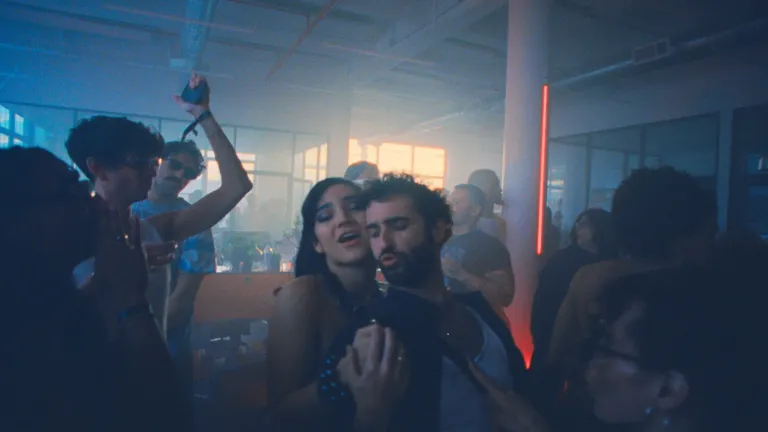
You’ve probably heard the word gayborhood tossed around at Pride, on travel blogs, or during late-night conversations about where queer people actually feel at home. In simple terms, a gayborhood refers to a neighborhood with a visible concentration of LGBTQ residents, businesses, nightlife, and community institutions. These districts have existed in major U.S. cities for decades, often forming organically as queer people sought safety, social connection, and cultural expression in environments where they could live more openly.
But there’s another reality shaping queer geography today: affordability. Many historically LGBTQ neighborhoods have experienced rising housing costs, pushing out the very communities that helped define them. Like anyone else, queer people have the right to live in places where they can express their identity freely and build relationships without fear, and without facing extreme financial barriers. That’s why this guide focuses on gayborhoods and queer-identified districts across the United States that remain relatively accessible compared to the country’s more expensive LGBTQ hubs.
Methodology
This list is based on neighborhoods with documented LGBTQ cultural visibility, such as established nightlife clusters, Pride events, community organizations, or long-standing recognition in local tourism and media coverage. Housing affordability was evaluated using recent neighborhood-level market data, primarily median home sale prices and broader cost-of-living context from major real estate platforms.
The analysis also reflects the evolving nature of queer urban geography, where LGBTQ populations may cluster across multiple adjacent districts rather than in a single historically defined “gay village.” The goal was to identify areas where measurable affordability aligns with an observable LGBTQ community presence, rather than relying on branding or anecdotal reputation alone.
10. Crossroads Arts District, Kansas City, Missouri
Think exposed brick warehouses, contemporary galleries, queer cocktail bars, and late-night drag brunches that spiral into philosophical debates about pop divas, that’s Crossroads. While Kansas City’s LGBTQ population is geographically dispersed, this district has emerged as a creative queer gathering zone, particularly tied to nightlife, art culture, and inclusive social spaces.
Recent housing figures show median prices around the high-$200K range, positioning Crossroads as one of the more affordable arts-driven queer urban districts in the U.S. today. It’s less a traditional “gay village” and more a modern cultural cluster where queerness blends seamlessly with artistic identity, reflecting how LGBTQ urban geography is evolving.
- Housing affordability snapshot: Median home sale price about $275K
- Gayest things to do: Drag brunches, art gallery nights, queer cocktail bars, Pride after-parties
9. Ferndale, Michigan
Ferndale isn’t just queer-friendly; it’s practically queer-designed. This Detroit-area suburb has cultivated one of the Midwest’s most recognizable LGBTQ enclaves, supported by major institutions like Affirmations LGBTQ+ Community Center and large-scale events such as Ferndale Pride, the state’s biggest free LGBTQ festival.
Affordability plays a huge role in its ongoing popularity. Median home prices have been reported in the mid-$200K range, offering a suburban alternative to pricier urban queer districts without sacrificing community cohesion.
- Housing affordability snapshot: Median home sale price about $275K
- Gayest things to do: Ferndale Pride, Affirmations LGBTQ center, drag brunches, queer bar hopping
8. Loring Park, Minneapolis, Minnesota
Loring Park is the type of gayborhood that carries historical weight and modern relevance, like a queer elder who still goes out dancing. Anchored by the city’s main Pride festival grounds and surrounded by LGBTQ venues, cultural institutions, and progressive urban planning, it continues to function as the symbolic heart of queer Minneapolis.
Housing data shows median home prices hovering around the upper-$200K range, which may not scream “cheap,” but in the context of legacy gayborhoods nationwide, it’s still remarkably attainable. The appeal here is balance: urban energy, green space, and a deeply embedded queer cultural infrastructure that makes daily life feel community-driven rather than merely performative.
- Housing affordability snapshot: Median home sale price about $270K
- Gayest things to do: Twin Cities Pride, queer lake picnics, LGBTQ nightlife, arts institutions
7. The Grove, St. Louis, Missouri
The Grove didn’t politely become queer. It arrived in glitter and refused to leave. This stretch along Manchester Avenue has built a reputation as St. Louis’ most visible LGBTQ nightlife corridor, packed with drag venues, late-night dance floors, Pride events, and community organizations that anchor queer life in the city. Local tourism sources and LGBTQ publications consistently identify it as the metro’s primary gay district.
What makes it especially compelling in 2026 is the price-to-culture ratio. Nearby housing markets such as Tower Grove South have median sale prices sitting roughly in the mid-$200K range, meaning proximity to the Grove’s nightlife still comes without big-city financial trauma. In an era where most historic gay districts have priced out the very people who built them, the Grove remains defiantly accessible.
- Housing affordability snapshot: Nearby median home sale price about $258K
- Gayest things to do: Drag bars, Pride street events, queer dance clubs, community arts festivals
6. Old Town Chinatown, Portland, Oregon
Portland’s queer geography has always been fluid, but Old Town Chinatown stands out as a nightlife-heavy LGBTQ cluster with a long legacy of clubs and queer gathering spaces. Over time, this district transitioned from a historic immigrant enclave into one of the city’s most concentrated queer nightlife zones, packed with dance floors, drag energy, and urban grit.
Median home prices around $200K–$245K make it unusually affordable for the Pacific Northwest, especially compared with Portland’s trendier neighborhoods.
It’s messy, edgy, and very Portland, meaning queer people will absolutely make it work.
- Housing affordability snapshot: Median home sale price about $245K
- Gayest things to do: Drag clubs, queer raves, underground nightlife, alternative art scene
5. Highland Square, Akron, Ohio
Highland Square is what happens when artists, punks, lesbians, and vintage record collectors collectively decide to colonize a neighborhood and make it fabulous. Known for its indie shops, cafés, live music culture, and diverse population, it has organically become Akron’s primary queer-friendly cultural enclave.
The affordability is rooted in Rust Belt economics rather than gentrified hype: median home prices have been reported around $240K, making homeownership far more attainable here than in most traditional gay districts nationwide.
It’s the kind of place where Pride feels more DIY than corporate, which honestly feels very 2026 queer.
- Housing affordability snapshot: Median home sale price about $240K
- Gayest things to do: PorchRokr indie festival, queer dive bars, alt-arts cinema, DIY punk nightlife
4. Ybor City, Tampa, Florida
If Florida’s queer map had a glitter-bomb epicenter, Ybor would be ground zero. This historic Latin district is now home to the GaYBOR coalition, LGBTQ nightlife clusters, and one of the state’s most culturally layered queer scenes, blending Cuban heritage, drag bars, and Pride energy into one chaotic fabulous mix.
Housing affordability is the real twist in this storyline. Median prices around the $214K range in recent data make Ybor wildly accessible compared with other Florida gay hubs like Wilton Manors or Miami Beach.
Basically: cigar factories turned nightlife playground turned queer safe zone, and somehow still cheap enough to move there without selling your organs.
- Housing affordability snapshot: Median home sale price about $214K
- Gayest things to do: GaYBOR nightlife strip, drag shows, Pride street festivals, queer Latin dance clubs
3. Midtown, Harrisburg, Pennsylvania
Midtown Harrisburg may not scream “international gay capital,” but the queer density is real, and the vibe is surprisingly intellectual. This neighborhood houses a large LGBTQ population alongside bookstores, art spaces, and independent cafés, making it feel like a mini-Brooklyn that forgot to become expensive.
Median home prices around $206K reinforce its reputation as one of the most financially accessible queer-leaning districts in the Northeast.
Add a statewide Pride ecosystem and a small-city social network where everyone somehow knows everyone, and Midtown is quietly giving affordable queer urbanism.
- Housing affordability snapshot: Median home sale price about $206K
- Gayest things to do: Central PA Pride, queer bookstores, café culture, tight-knit LGBTQ social scene
2. Downtown Orlando / Church Street Cluster, Florida
Downtown Orlando’s queer energy is less about historic designation and more about sheer gravitational pull. Centered around the Church Street nightlife zone, this area has long served as a primary LGBTQ social hub, particularly following the city’s intensified focus on queer visibility and community support in the years after Pulse. Today, it remains a core gathering place for nightlife, Pride programming, and social organizing.
Housing affordability is the surprising plot twist. Median condo-heavy housing prices in the central business district have recently hovered around the low-$200K range, making it one of the rare Sunbelt queer districts where urban living doesn’t require a trust fund. It’s modern, dense, and unapologetically social, basically a vertical gayborhood with humidity.
- Housing affordability snapshot: Median condo-heavy home sale price about $206K
- Gayest things to do: Gay clubbing, Pulse legacy events, Pride programming, nightlife district scene
1. Hawley-Green, Syracuse, New York
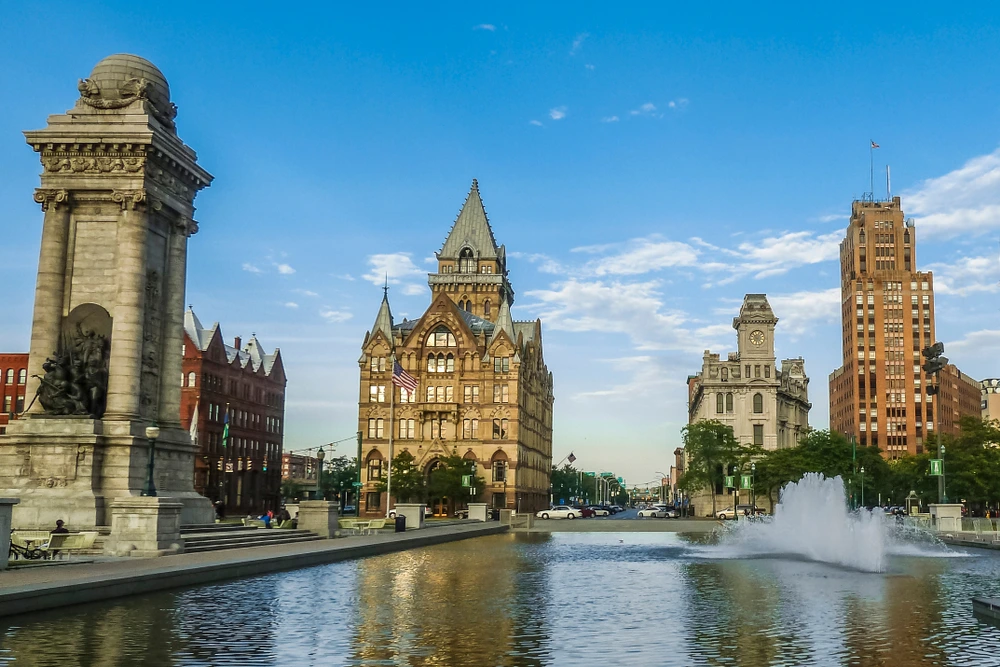
Small, artsy, and unexpectedly queer, Hawley-Green feels like someone spilled a rainbow over a Victorian postcard and said “live here.” This historic district northeast of downtown has developed a visible LGBTQ presence and reputation as one of Syracuse’s most welcoming neighborhoods, with walkable streets lined by pastel-painted 19th-century homes and local cafés that feel like chosen-family headquarters.
The affordability is shockingly real: median home prices have hovered in the low-$100K to mid-$100K range in recent housing analyses, placing it among the cheapest recognized queer districts in the country.
In a state where queer living often equals Brooklyn-level pricing trauma, Hawley-Green quietly delivers charm, community, and a mortgage that doesn’t feel like emotional violence.
- Housing affordability snapshot: Median home sale price about $162K
- Gayest things to do: Queer Victorian house parties, indie café scene, Syracuse Pride ecosystem, university LGBTQ nightlife