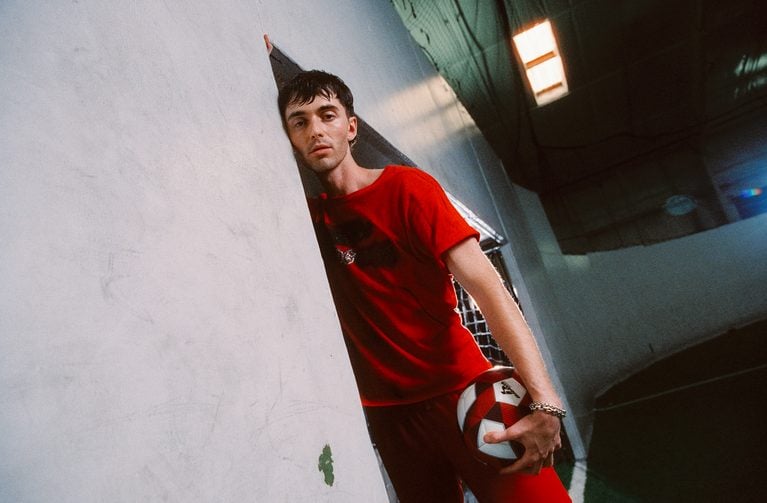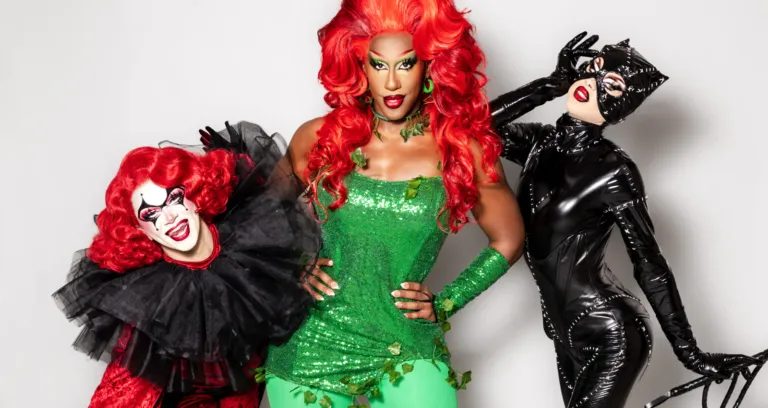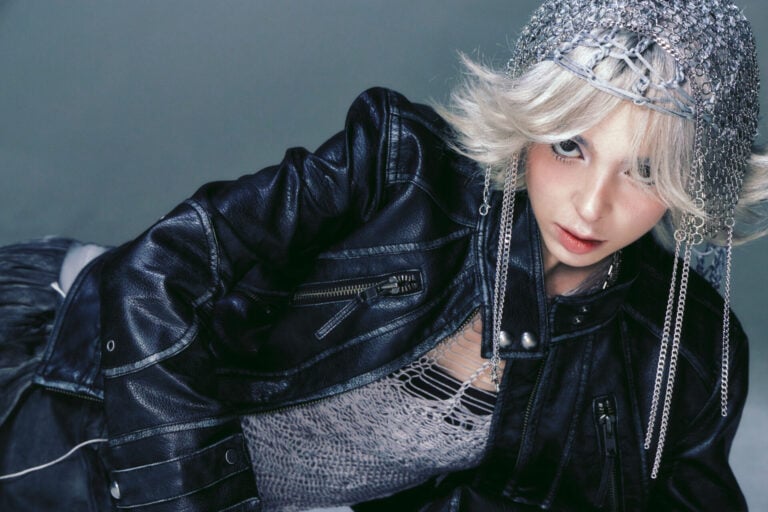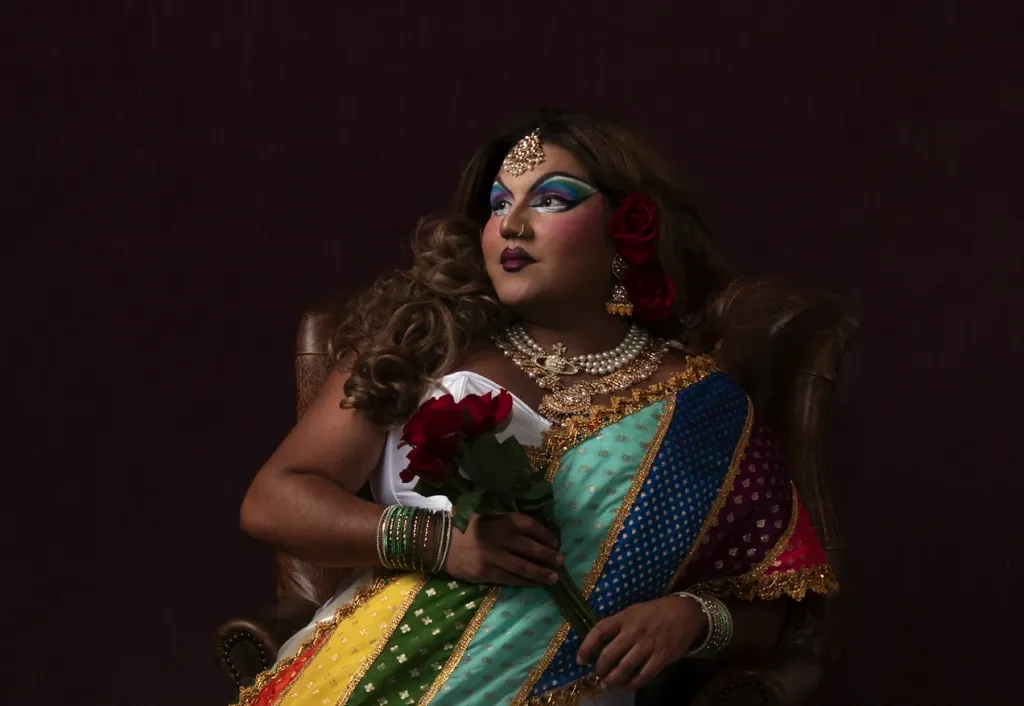
One week before the largest AAPINH drag festival in the nation, Made in Asia, took place this year at 3 Dollar Bill, queer photographer Zihao Huang photographed a group of Asian-Pacific diasporic drag royalty, capturing them in an editorial family portrait.
AAPINH drag kings and queens are having a real moment, directly fueling the explosion of South Asian community events across the New York metropolitan area and injecting South Asian cultural references straight into the nightclub.
For years, diasporic drag lived at the margins. It was often treated as too niche, too cultural, too specific to be considered “mainstream” drag. But that specificity has become its strength. Today’s performers pull from a vast sonic and visual landscape: Bollywood, Tollywood, and Mollywood soundtracks colliding with Middle Eastern rhythms, Burmese music, and classical and folk dance traditions. A single set might move from filmi drama to club choreography, from devotional gesture to full-throttle pop fantasy- these queens are serving all of it.
In these spaces, audiences are learning the language of the diaspora. Nightclubs erupt to the opening notes of “Dhak Dhak Karne Laga,” wrists flick with the rhythm of filmi dance, and performers appear in bindis, saris, and glittering jewelry that reframes traditional adornment as nightlife spectacle. What once might have been read as costume now becomes part of drag’s evolving visual vocabulary.
Equally important is how the scene sustains itself. AAPINH drag operates as a kind of passed knowledge, shared both materially and intellectually. Wigs, jewelry, and garments circulate between performers. So do choreographies, references, and histories: the steps of a classic dance number, the drama of a playback singer’s performance style, the subtle humor of an auntie archetype. Through rehearsal rooms, dressing rooms, and late-night conversations, a collective archive is constantly being built.
That shared knowledge has helped grow a community that extends beyond the stage. These performers are not only entertainers but hosts, club kids, dancers, and organizers shaping the energy of entire parties. By producing their own events and claiming space behind the microphone as well as on the dance floor, they have carved out a visible and lasting presence in nightlife.
What emerges is more than drag as spectacle. These spaces offer a glimpse into the ecosystem of diasporic communities itself: its humor, contradictions, aesthetics, and shared memories. Onstage, culture is not presented as something static or nostalgic. It is remixed, exaggerated, danced through, and celebrated, transforming the nightclub into a living archive of immigrant artists.
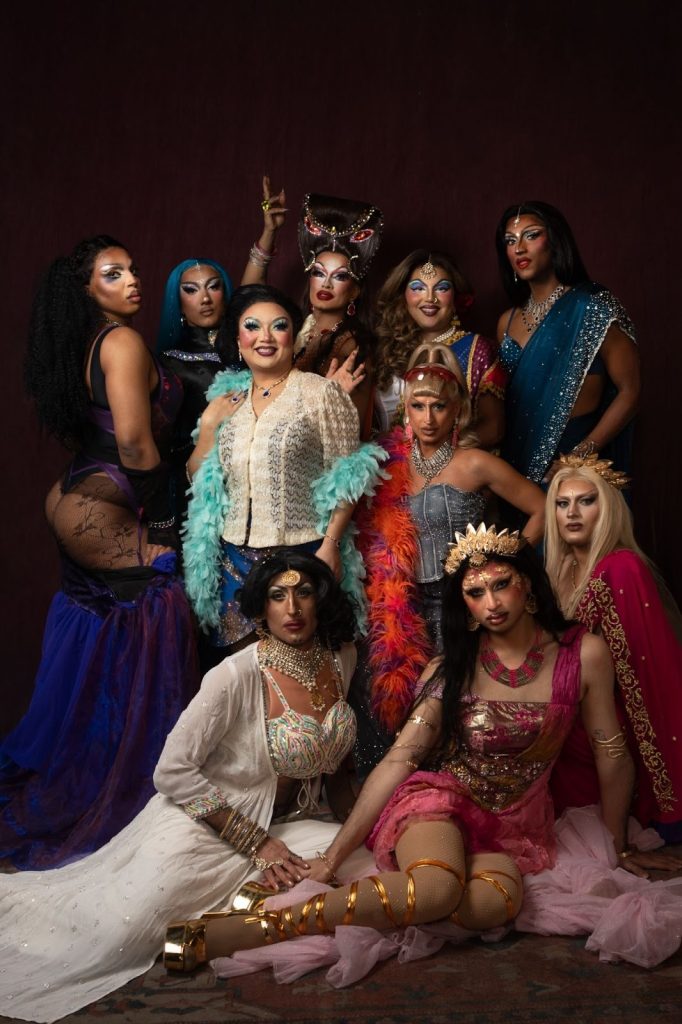
Left to right: Bertha Vanayshun (@berthavnyc), Rae Oblivion (@raeoblivion), Emi Grate (@emigrate_drag), Malai (@malai), Tamasha Bhosle (@tamashabhosle), Kalypso கலிப்ஸோ (@kalypso.drag), Chutney Chataranga (@chutneychataranga), Lal Batti (@lalbatti.s), Kahani (@iamkahani), Ani So Exotic (@anisoexotic). Photo Credit: Zihao Huang (@people_i_love__)
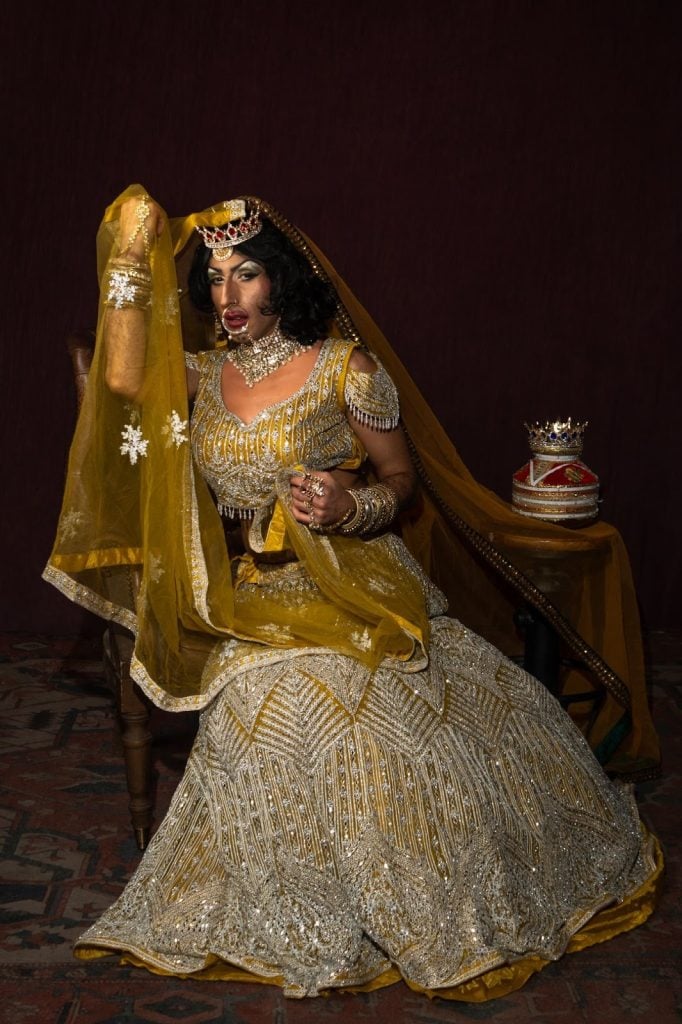
Lal Batti (@lalbatti.s)
Photo Credit: Zihao Huang (@people_i_love__)
A veteran of the Desi drag scene for over 12 years, Lal Batti’s legacy stretches across generations of nightlife. She has been featured by National Geographic, bringing wider attention to South Asian queer performance. She’s unmistakable with her signature three dots on the chin.
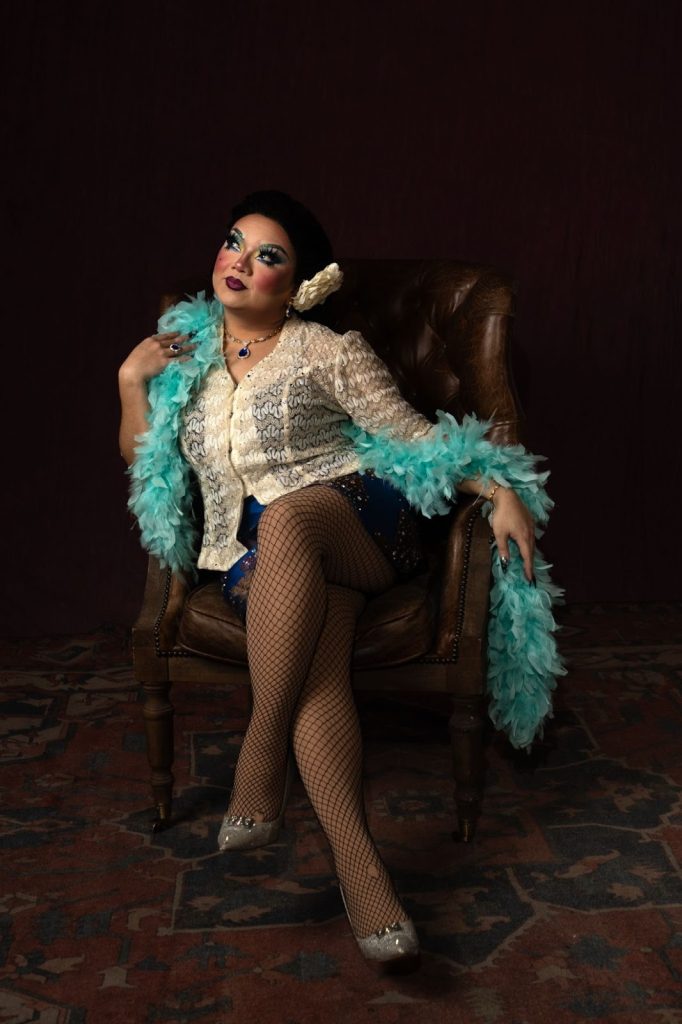
Emi Grate (@emigrate_drag)
Photo Credit: Zihao Huang (@people_i_love__)
Myanmar-born performer Emi Grate merges drag, musicology, and diasporic storytelling through cabaret. In addition to performing, she produces A+ the Pan-Asian Drag Revue (@aplusdragshow), a platform uplifting queer voices of Asian-Pacific Islander heritage in drag, burlesque and comedy through nightlife and performing arts spaces.
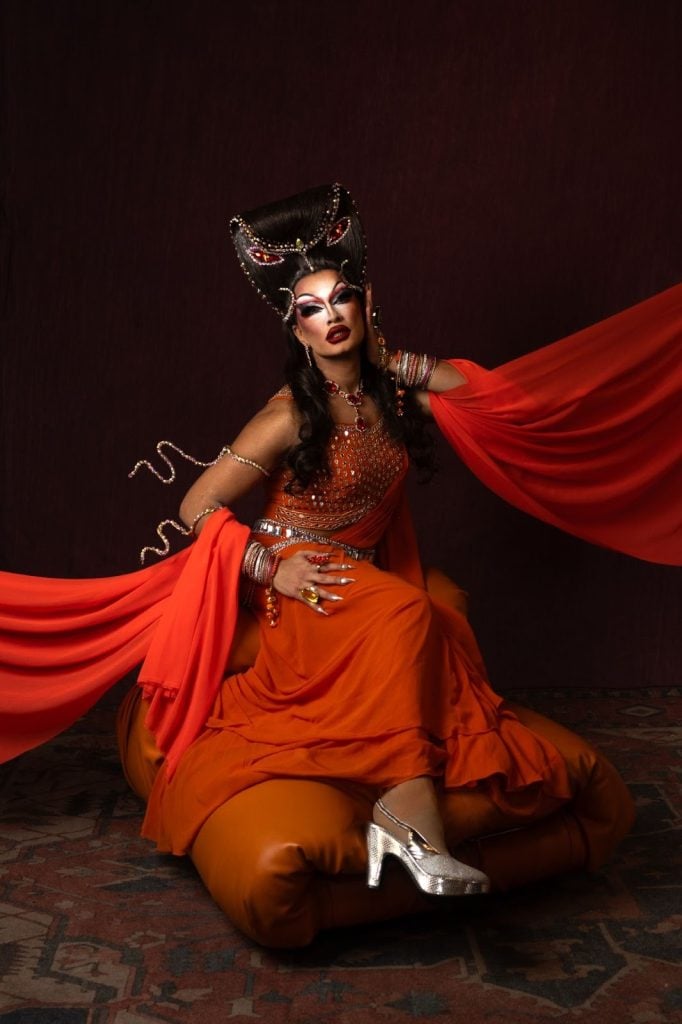
Malai (@malai)
Photo Credit: Zihao Huang (@people_i_love__)
A fixture of the city’s South Asian drag ecosystem, Malai is a co-producer at Yuva and BrunchnBrawl and the creator behind events like Divas Brunch, Badnaam, and the Queer Diwali Ball. Her performances often blend Bollywood nostalgia, prosthetic illusion, and absurdist humor.
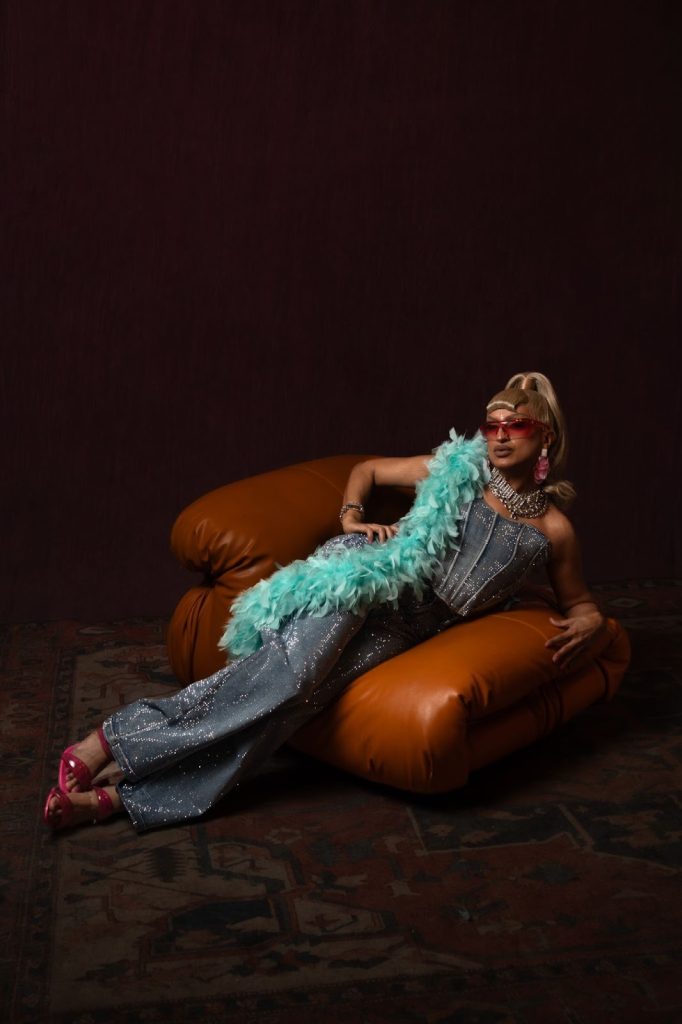
Chutney Chataranga (@chutneychataranga)
Photo Credit: Zihao Huang (@people_i_love__)
A self-described bicoastal Bollywood pop princess, Chutney Chataranga serves glittering South Asian fantasy wherever she performs. Her drag leans into maximalist glamour, filmi references, and high-energy pop spectacle.
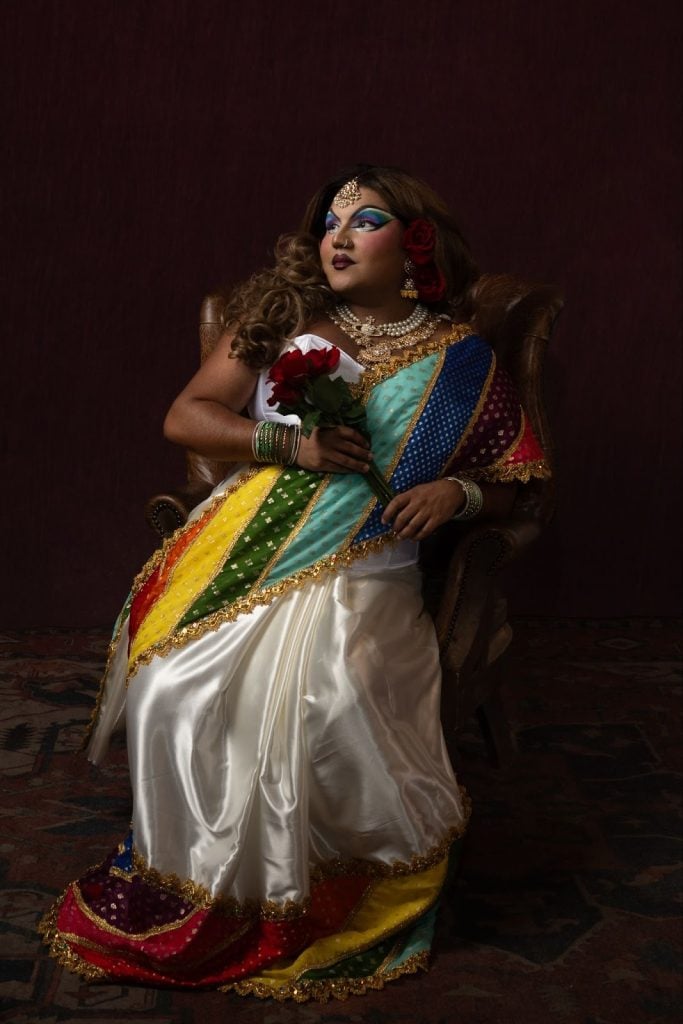
Tamasha Bhosle (@tamashabhosle)
Photo Credit: Zihao Huang (@people_i_love__)
Inspired by legendary playback singer Asha Bhosle, Tamasha Bhosle delivers drama true to her name. Dripping in pearls and jasmine, this New Jersey-based Marathi queen is a standout performer at Yuva, known for theatrical numbers steeped in golden-era Bollywood glam. Her affinity for desi nostalgia, regional music, and traditional-yet-fresh costuming give her a unique flavor.
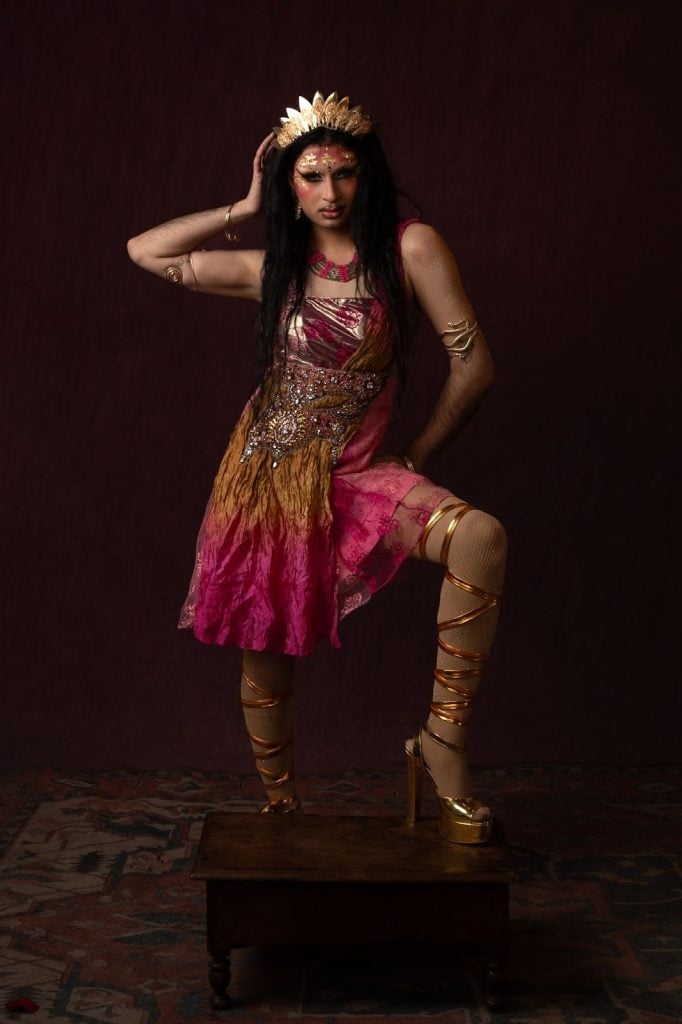
Kahani (@iamkahani)
Photo Credit: Zihao Huang (@people_i_love__)
True to her name, Kahani approaches drag as storytelling. A Pakistani enchantress, she isn’t afraid to bring her Muslim heritage straight into the nightclub. Often painted in glowing sunset tones, she captivates audiences with breathtaking dance and hypnotic stage presence.
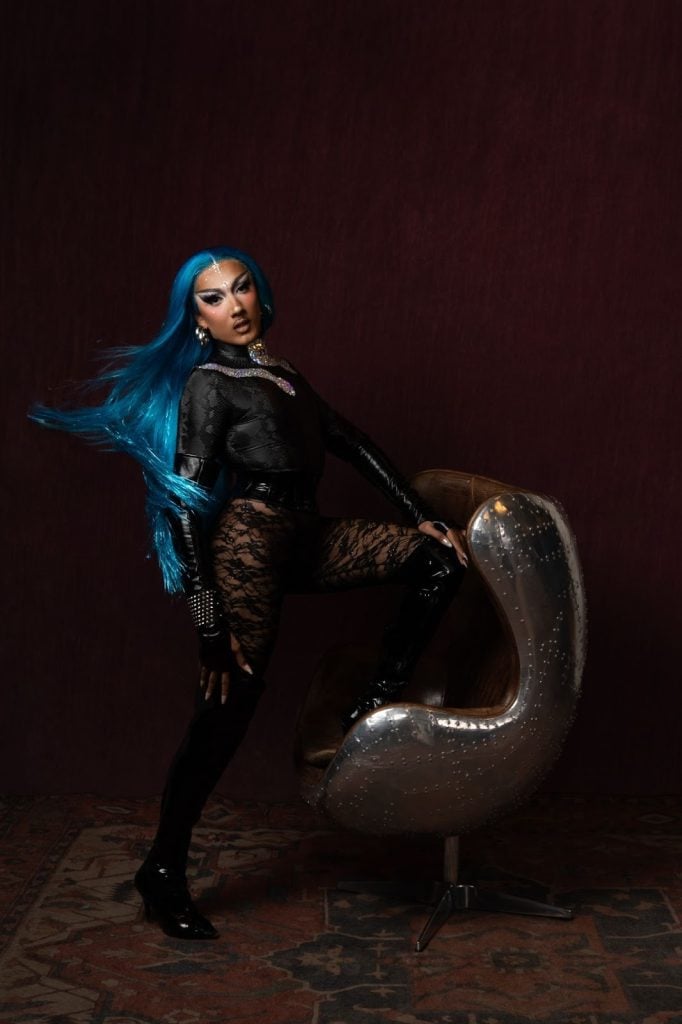
Rae Oblivion (@raeoblivion)
Photo Credit: Zihao Huang (@people_i_love__)
Dancer and nightlife producer Rae Oblivion is the force behind Bindi Party, the beloved Desi dance floor that merges South Asian music with queer nightlife energy. Onstage, Rae’s performances fuse movement, club kid drama, and high-octane choreography.
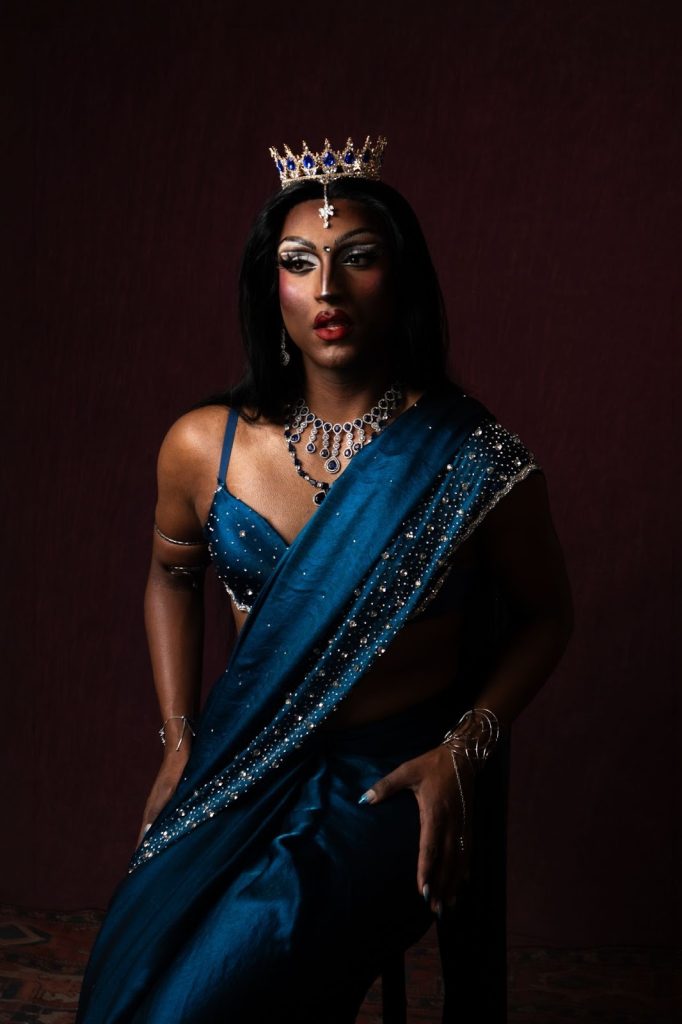
Kalypso கலிப்ஸோ (@kalypso.drag)
Photo Credit: Zihao Huang (@people_i_love__)
Hailing from the Bay Area, Kalypso brings West Coast flair to the diasporic drag scene. Crowned Miss GAPA 2024, she combines fashion-forward drag with a deep connection to Asian Pacific queer community spaces.
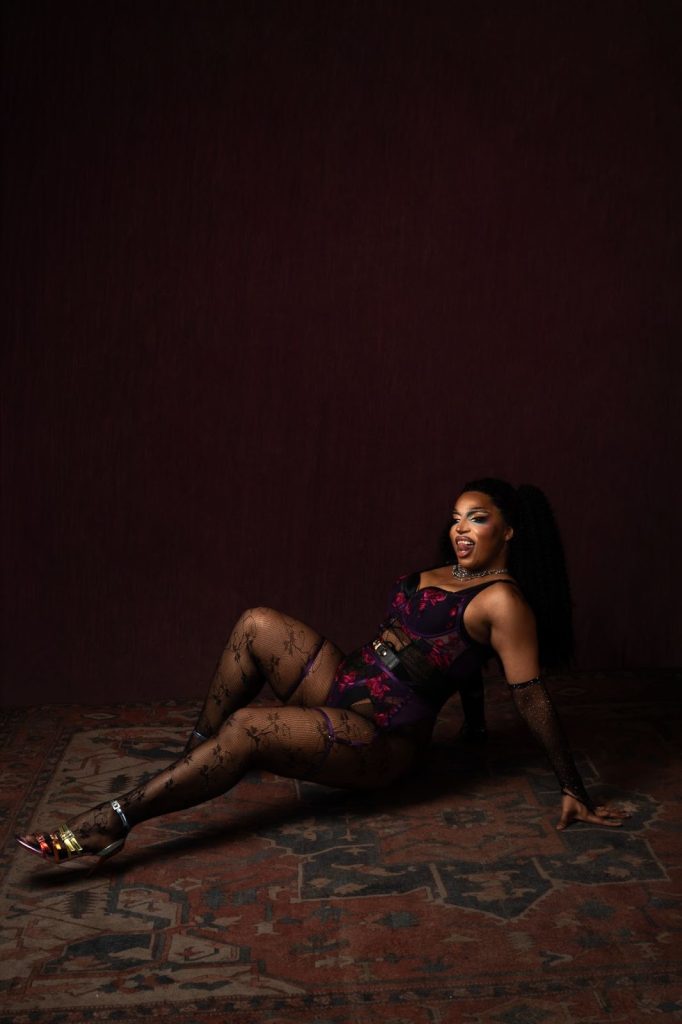
Bertha Vanayshun (@berthavnyc)
Photo Credit: Zihao Huang (@people_i_love__)
A staple of New York nightlife with a sharp sense of humor, Bertha Vanayshun is the host of Drag History Hour and Drag History Minute; and a recipient of the Glam Awards Breakthrough Artist honor. Her drag blends camp, education, and storytelling, bringing both glamour and queer history to the stage.
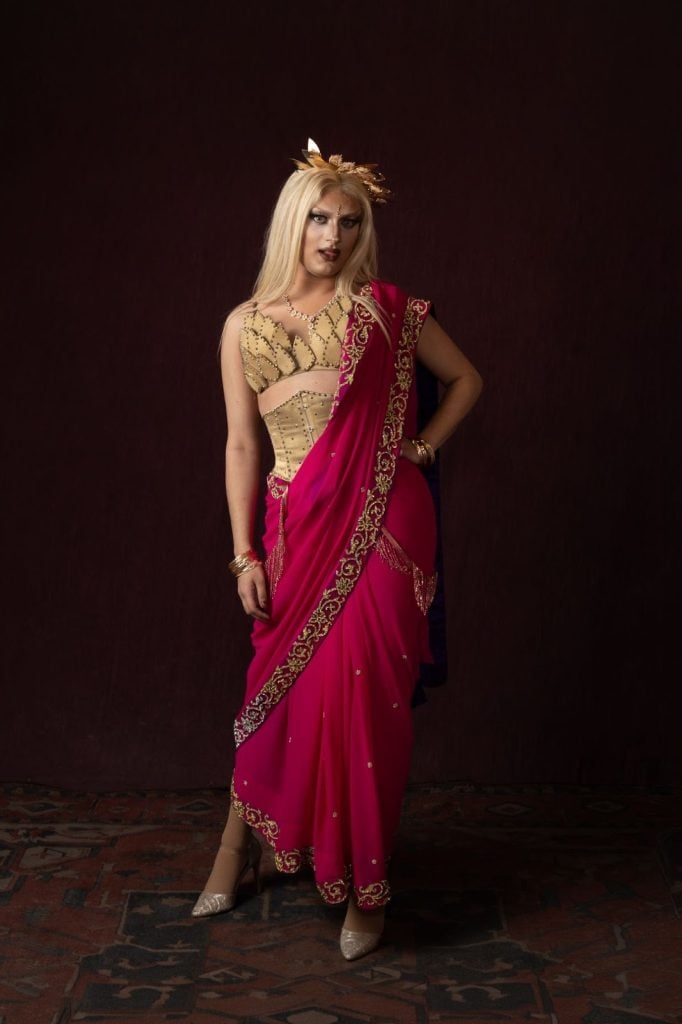
Ani So Exotic (@anisoexotic)
Photo Credit: Zihao Huang (@people_i_love__)
Nicknamed the “Flying Bollywood Baddie of DC,” Ani So Exotic is a high-energy performer and community organizer who helps produce Spring Mela, bringing South Asian celebration and queer nightlife together on the dance floor.