“The Gay Harlem Renaissance” exhibit is open to the public at the New-York Historical Society from October 10th through March 8th, 2026. This installation spotlights a remarkable period in American history when Black LGBTQ+ artists, writers, and trailblazers shaped Harlem’s progressive culture nearly a century ago.
This exhibit explores how this era of acceptance birthed some of Harlem’s most unique thinkers, musicians, and more.
The 1920s and 30s were filled with much more than flapper dresses and Jay Gatsby’s fictitious ass yearning from across the Long Island Sound. Several miles over, in the real and living city of Harlem, daily life was something to marvel at.
Many progressive movements hit Harlem at once. The rise of jazz and blues music brought forth legendary stars like Louis Armstrong and Duke Ellington, paving the way for dance clubs that catered to the Black community.
Several of these clubs openly welcomed LGBTQ+ individuals, including those who defied gender norms or were in same-sex relationships. Many entertainers found stardom, leaving a lasting impact on both the Black and LGBTQ+ communities.
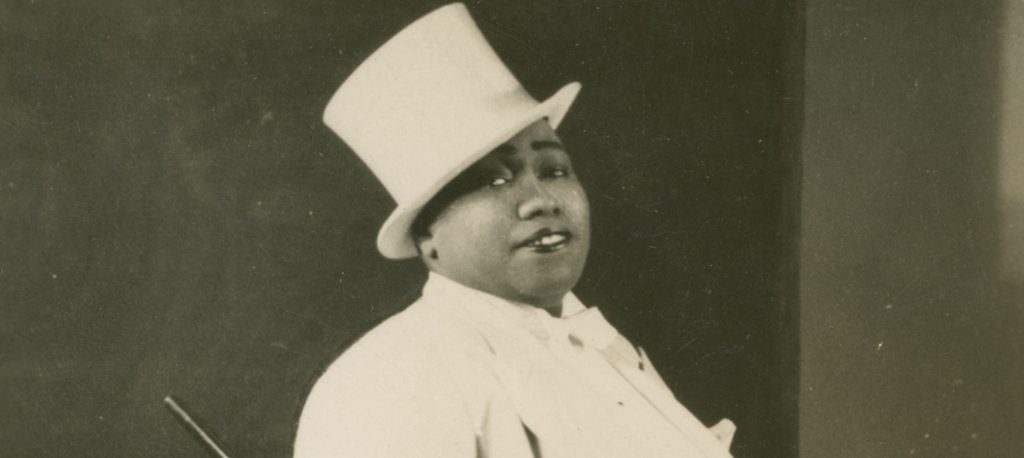
The exhibit rightfully follows the life and legacy of Gladys Bentley. She was a talented entertainer who never strayed from experimenting with sexuality and gender on stage, especially through her clothes. She rocked a top hat and white tux like nobody’s business. She even married her then-girlfriend in a 1931 civil ceremony, spitting in the eye of white heteronormativity. Bentley’s presence and perseverance prove how old Harlem held new-age ideas.
“The Gay Harlem Renaissance” is a reminder that achieving acceptance and equity is not a far-fetched dream. In fact, it’s a lived experience that you can learn all about through The New York Historical.
“The Gay Harlem Renaissance” features more than 200 objects, including paintings, sculptures, books, music, and more.
“The Gay Harlem Renaissance shows that Black LGBTQ+ life was far more visible, accepted, and integrated into daily life in 1920s Harlem than most people imagine,” said George Chauncey, the exhibition’s chief historian and Columbia professor, as well as author of Gay New York, 1890-1940. “The exhibition takes visitors to basement speakeasies, rent parties, and drag balls where queer and straight people built lives together, as well as to the salons of the cultural elite.”
Many prominent Black queer writers found their voice during the Gay Harlem Renaissance, including Wallace Thurman and Langston Hughes, whom scholars believe may have shared an intimate relationship. The work of these and other Black queer writers from this era remains historically significant and influential today.
This exhibit is set to welcome visitors from all over the world, helping share the many stories that make up the “Gay Harlem Renaissance.”
At a time when efforts to erase Black and African American history are ongoing, exhibits like this are more important than ever. They also serve as a positive reminder to the Black and queer community that harmony is possible.
Get your tickets to the exhibit here.