
The LGBTQ+ community has transformed the world for since the beginning of time with success in every industry. We’re highlighting some of the most commercially successful LGBTQ+ individuals — from film producers to designers to technologists — who are members of the queer community. Read on below to dive in deep and learn about 10 of the richest members of the LGBTQ+ community below.
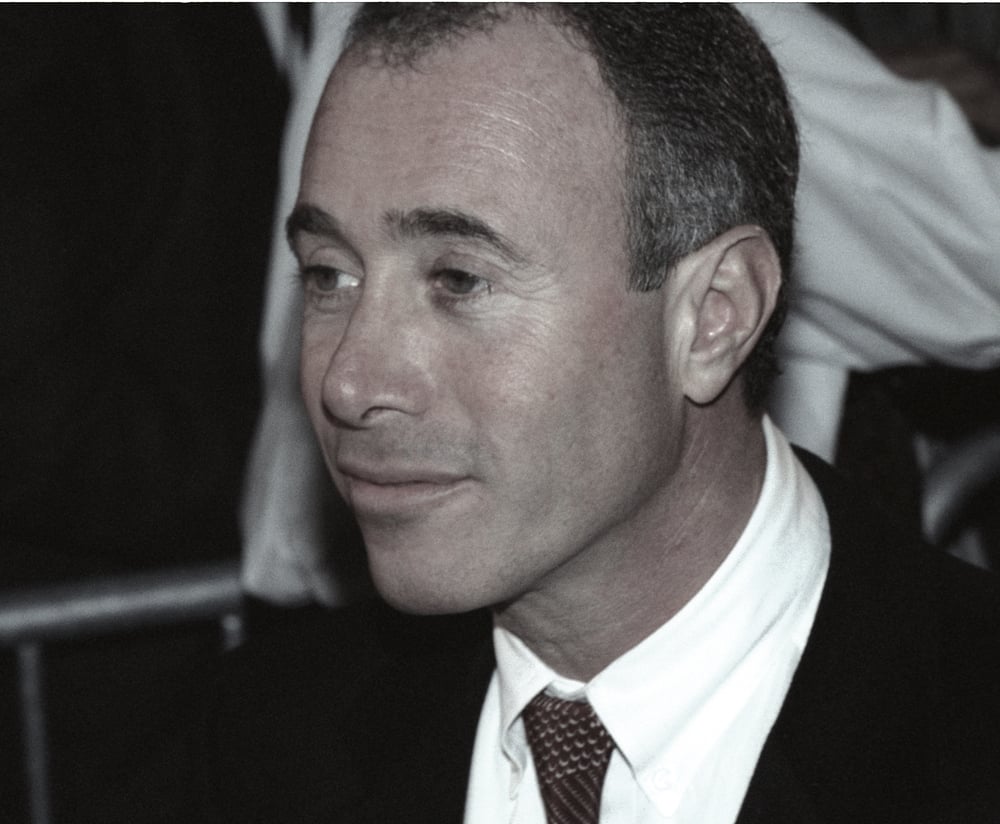
David Geffen. Image Credit: Bart Sherkow / Shutterstock.com
1. David Geffen: A Visionary Force in Music, Film, and Philanthropy; An Estimated Net Worth of $9.1 Billion
Few individuals have shaped the entertainment landscape as profoundly as David Geffen. As a record executive, film producer, and philanthropist, he has played a defining role in the evolution of American culture over the last half-century. His journey from modest beginnings in Brooklyn to becoming one of the most influential figures in music and film is a testament to vision, creativity, and persistence.
Early Life and Education
David Lawrence Geffen was born on February 21, 1943, in Borough Park, Brooklyn, New York. His parents, Abraham and Batya Geffen, were Jewish immigrants from Eastern Europe. His mother owned a small corset shop, while his father worked in retail. Though the family’s resources were limited, their household emphasized hard work, independence, and perseverance — values that would guide Geffen throughout his life.
From an early age, David demonstrated a remarkable drive and imagination. He attended New Utrecht High School in Brooklyn, where his interest in theater and performance began to take shape. After graduation, he briefly attended the University of Texas at Austin and later Santa Monica College in California, but his passion for the entertainment business soon led him to pursue a more direct path.
Determined to work in show business, Geffen moved to Los Angeles and began searching for any opportunity that would allow him to get his foot in the door.
The Mailroom: A Humble Beginning
Geffen’s first break came when he was hired as a mailroom clerk at the William Morris Agency, one of the most prestigious talent agencies in the country. This entry-level position — often the starting point for future executives — gave him an inside look at how the entertainment industry functioned.
It quickly became clear that Geffen possessed exceptional intuition and ambition. He carefully observed the business side of talent representation and began cultivating relationships with agents and artists. Within a short time, he advanced from delivering mail to managing client accounts. His diligence, confidence, and understanding of both people and art set him apart from his peers.
Geffen’s early experience at William Morris laid the foundation for what would become a lifetime of identifying, nurturing, and championing creative talent.
Discovering and Managing Artists
After leaving the William Morris Agency, Geffen began working as a personal manager, representing some of the most promising musicians and songwriters of the late 1960s and early 1970s. Among the artists he helped guide were Laura Nyro, Crosby, Stills, Nash & Young, and Joni Mitchell — figures who would soon become cornerstones of modern popular music.
Geffen had a rare ability to recognize artistry before it achieved commercial success. His relationships with musicians were built on trust, enthusiasm, and a shared belief in the power of authentic expression. This deep connection to music and artists inspired him to establish his own record label — one that would prioritize creativity and collaboration above all else.
Asylum Records: A Home for the Singer-Songwriter Era
In 1971, at only 28 years old, David Geffen co-founded Asylum Records with Elliot Roberts. The idea behind Asylum was simple but revolutionary: to create a safe, supportive environment where artists could develop their sound without corporate pressure. The name itself — “Asylum” — symbolized that spirit of freedom.
The timing was perfect. The early 1970s marked the rise of the singer-songwriter movement, and Asylum became its heartbeat. The label quickly signed artists such as Jackson Browne, The Eagles, Linda Ronstadt, and Joni Mitchell, all of whom would go on to become household names.
Under Geffen’s leadership, Asylum became known not only for its commercial success but also for its commitment to artistic integrity. The label’s roster embodied a California sound defined by introspection, storytelling, and melodic craftsmanship. These artists shaped the soundtrack of an era, and Geffen’s vision was instrumental in bringing their voices to the world.
In time, Asylum Records merged with Elektra Records to form Elektra/Asylum, further expanding its reach and influence. Having built one of the decade’s most successful independent labels, Geffen decided to take a brief step back to explore new directions.
The Creation of Geffen Records
After several years away from the business, Geffen returned to the music industry in 1980 with the launch of Geffen Records. Backed by Warner Bros., the new label was positioned to combine the independence of Asylum with the resources of a major corporation.
From the start, Geffen Records reflected its founder’s passion for excellence. The label signed a remarkable lineup of artists, including John Lennon and Yoko Ono, Cher, Aerosmith, Peter Gabriel, Don Henley, Elton John, and Guns N’ Roses. Each artist brought a distinctive sound, and Geffen’s leadership gave them the creative freedom and promotional support needed to thrive.
In 1990, Geffen expanded further with DGC Records (David Geffen Company), which focused on innovative and emerging rock acts. The label became home to influential artists such as Sonic Youth, Beck, and Nirvana, helping to usher in the alternative music movement of the 1990s.
Geffen’s record labels became synonymous with both artistic quality and commercial success. By consistently combining creative insight with business acumen, he redefined what a record executive could be.
Expanding Horizons: DreamWorks SKG
Having achieved remarkable success in music, Geffen turned his attention to the film industry. In 1994, he joined forces with two of Hollywood’s leading figures — Steven Spielberg and Jeffrey Katzenberg — to form DreamWorks SKG. The name combined the initials of its founders, symbolizing a partnership rooted in shared creativity and ambition.
DreamWorks quickly established itself as a pioneering studio dedicated to storytelling and innovation. With Geffen handling the business and financial strategy, Spielberg leading film production, and Katzenberg focusing on animation, the company produced an impressive series of critically acclaimed and commercially successful films.
Among its notable releases were American Beauty, Saving Private Ryan, Gladiator (in partnership), A Beautiful Mind, and Shrek. DreamWorks’ achievements demonstrated the founders’ belief that art and commerce could coexist in balance — a philosophy that mirrored Geffen’s entire career.
Through DreamWorks, Geffen extended his influence beyond music into the broader entertainment world, proving that his instincts and leadership transcended any single medium.
Commitment to Philanthropy
As David Geffen’s success grew, so did his dedication to giving back. His philanthropy has had a transformative impact on education, the arts, and public health.
One of his most notable contributions came in 2015, when he donated $100 million to New York’s Lincoln Center for the Performing Arts, resulting in the renaming of the iconic concert venue as David Geffen Hall. This gift helped fund major renovations and ensured the hall’s continued legacy as a world-class cultural destination.
In 2021, Geffen made another historic donation — $150 million to Yale University’s School of Drama. The gift made the institution tuition-free for all students and led to its renaming as the David Geffen School of Drama at Yale University. The endowment reflected his lifelong belief in supporting emerging artists and expanding access to arts education.
His generosity extends to many other institutions, including UCLA, the Museum of Modern Art, the Los Angeles County Museum of Art, and numerous medical and social causes. In recognition of his contributions, Geffen has received multiple awards and honors for philanthropy and public service.
Personal Life and Character
David Geffen is known for his intelligence, wit, and meticulous attention to detail. Though he maintains a private personal life, his reputation among colleagues and friends is that of a loyal, insightful, and deeply committed individual who values creativity and integrity.
He has been open about his identity as a gay man, becoming an important role model for LGBTQ+ visibility in business and entertainment. His success has demonstrated that authenticity and ambition can coexist powerfully, inspiring countless professionals to pursue their goals without compromise.
Outside of business, Geffen is an avid art collector, owning one of the most valuable private collections of modern and contemporary art in the world. His appreciation for creativity — whether in music, painting, or theater — has remained a constant thread throughout his life.
He divides his time between his homes in California and New York, continuing to support causes and institutions that align with his lifelong commitment to culture, education, and the arts.
Leadership Style and Legacy
What sets David Geffen apart is not only his extraordinary success but also his unique approach to leadership. He has always believed in empowering artists rather than controlling them, in listening to creative voices rather than dictating direction. His ability to balance intuition with pragmatism has earned him admiration across industries.
Geffen’s influence extends far beyond the specific companies he founded. The artist-centric philosophy of Asylum Records inspired generations of independent labels. The creative freedom he fostered at DreamWorks redefined what a modern studio could be. His philanthropic support for performing arts institutions has ensured that future generations of creators will have the opportunities and resources they need to succeed.
His life’s work demonstrates that true leadership involves more than personal success — it involves building systems that uplift others, nurture creativity, and contribute meaningfully to society.
Awards and Recognition
Throughout his career, David Geffen has received numerous honors celebrating his contributions to the arts and entertainment industry. Among them:
- Induction into the Rock and Roll Hall of Fame (2010), recognizing his pivotal role in shaping modern music.
- Kennedy Center Honors, acknowledging his lifelong impact on American culture.
- Honorary degrees and commendations from leading institutions, highlighting his philanthropy and dedication to education.
These recognitions underscore the breadth of Geffen’s accomplishments and his enduring legacy as a creative visionary.
A Lifelong Commitment to the Arts
Even after decades at the forefront of entertainment, David Geffen remains deeply connected to the artistic community. His support of theater, film, and music continues to influence cultural development around the world.
The David Geffen Theater at the Academy Museum of Motion Pictures in Los Angeles, for example, stands as another symbol of his generosity and belief in the power of storytelling. The theater hosts premieres, screenings, and events that celebrate cinematic artistry — perfectly aligned with Geffen’s lifelong mission to champion creative expression.
Through every chapter of his career, he has demonstrated that success is not defined by wealth or accolades, but by the ability to make a lasting difference in people’s lives and in the cultural institutions that sustain them.
A Lasting Impact
David Geffen’s story is one of determination, vision, and purpose. From his first job in the mailroom to his leadership of record labels and film studios, he has consistently elevated the role of art in public life. His influence can be felt across music, film, theater, and education — fields that continue to thrive because of his foresight and generosity.
He is, above all, a believer in creativity: in the idea that art has the power to inspire, heal, and connect. Whether discovering new musical voices, producing award-winning films, or endowing the next generation of artists, Geffen has dedicated his life to building spaces where imagination can flourish.
Today, his name is synonymous with excellence and philanthropy. The institutions that bear it — from Lincoln Center’s concert hall to Yale’s drama school — stand as enduring symbols of his commitment to nurturing talent and enriching the human spirit.
In a career spanning more than five decades, David Geffen has proven that true success lies not only in achievement but in the ability to inspire and uplift others. His legacy is one of creativity, compassion, and cultural leadership — a legacy that will continue to shape the arts for generations to come.

Michael Kors. Image Credit: Ovidiu Hrubaru / Shutterstock.com
2. Michael Kors: The Designer Who Brought American Glamour to the World; An Estimated Net Worth of $600 Million
Few names embody the spirit of effortless luxury and jet-set sophistication like Michael Kors. For more than four decades, the New York-born designer has defined modern American fashion through a unique blend of practicality, confidence, and glamour. His journey — from a teenage shop assistant on Long Island to a global creative force — tells the story of discipline, optimism, and the enduring appeal of classic style.
Early Life: Creativity from the Start
Michael David Kors was born on August 9, 1959, in Merrick, Long Island, New York. His mother, Joan Hamburger Kors, was a former model, while his father, Karl Anderson Sr., worked in business. From an early age, Michael was captivated by the transformative power of fashion. He later recalled helping design his mother’s wedding dress for her second marriage when he was just five years old — his first act of couture creativity.
<div class=”inserted_ad” ></div>
After his mother remarried, Kors legally changed his name from Karl Anderson Jr. to Michael David Kors, symbolizing a fresh start and identity of his own. Growing up in a household that valued aesthetics and confidence, he spent hours flipping through fashion magazines and watching runway shows on television.
At John F. Kennedy High School, he began experimenting with clothing design, selling custom pieces to friends and local boutiques. His early work displayed the hallmarks of his later career — clean lines, flattering silhouettes, and a sense of timeless ease.
Education and Early Career in Fashion
After high school, Kors enrolled at the Fashion Institute of Technology (FIT) in Manhattan. While studying there, he worked part-time at Lothar’s, a boutique on West 57th Street known for its stylish European imports. His energy, eye for detail, and natural rapport with customers quickly caught management’s attention.
Within a short time, Lothar’s asked him to redesign its entire store layout and merchandise presentation — effectively his first professional design job. His displays attracted editors and stylists, and his clothing began selling out. The experience taught him the balance between creativity and commerce — how to make fashion desirable but wearable.
<div class=”inserted_ad” ></div>
Encouraged by this success, Kors decided to start his own line. In 1981, at just 22, he launched the Michael Kors Collection, debuting his first womenswear line at the iconic department store Bergdorf Goodman.
<div class=”inserted_ad” ></div>
The 1980s: The Birth of the Michael Kors Look
From his first collection, Kors stood out. His designs captured the essence of what he called “American Luxury” — polished, optimistic, and ready for real life. Using luxurious fabrics and streamlined cuts, he created clothes that were elegant without being fussy. Critics praised his ability to merge European craftsmanship with American practicality.
His early collections embodied the confidence of the decade — power suits, tailored separates, and relaxed yet refined sportswear. The New York Times called him one of the most promising young designers of his generation.
By the mid-1980s, Kors had become a favorite among editors, stylists, and working women alike. His clothes symbolized a new kind of American success — sophisticated, versatile, and subtly glamorous.
The 1990s: Resilience and Reinvention
Like many creative entrepreneurs, Michael Kors faced challenges as his business grew. In the early 1990s, the brand experienced financial strain that led to a temporary bankruptcy. But instead of deterring him, the setback strengthened his resolve and clarified his vision.
<div class=”inserted_ad” ></div>
He focused on rebuilding with a sharper sense of identity: timeless luxury grounded in reality. His designs became even more refined — classic trench coats, cashmere knits, sleek evening gowns, and effortlessly chic accessories.
In 1997, Kors reached a pivotal milestone when he was appointed Creative Director of Céline, the Parisian fashion house. The move marked his entry into European luxury — and a major validation of his international stature.
At Céline: Global Refinement
At Céline, Michael Kors brought a fresh American sensibility to French fashion. His collections emphasized clean tailoring, rich textures, and modern femininity. He revitalized the brand, earning praise for creating clothing that felt both sophisticated and wearable.
During his tenure (1997–2004), Céline became one of Paris’s most commercially and critically successful labels. Fashion critics hailed Kors for restoring elegance to minimalism and for redefining what modern women wanted to wear.
His years in Paris broadened his aesthetic vocabulary — blending European polish with American confidence — and prepared him for the global expansion of his own brand.
<div class=”inserted_ad” ></div>
Return to His Namesake Brand
In 2004, after leaving Céline, Kors turned his full attention to rebuilding and expanding the Michael Kors brand. This period marked the beginning of one of the most remarkable success stories in modern fashion.
He relaunched his company with a clear mission: to create a full lifestyle brand that embodied jet-set glamour — elegant yet effortless, luxurious yet accessible. Partnering with Sportswear Holdings Ltd., Kors expanded into new categories, including handbags, footwear, accessories, and fragrances.
<div class=”inserted_ad” ></div>
His designs resonated globally. The Michael Kors woman — confident, stylish, and always on the go — became a modern icon in her own right. The brand’s advertisements, often featuring sun-drenched destinations and confident models, captured a vision of aspirational yet attainable luxury.
The Rise of a Global Fashion Empire
By the late 2000s, Michael Kors had transformed his label into an international powerhouse. The company introduced multiple lines to cater to different lifestyles:
- Michael Kors Collection: The luxury runway line showcasing couture craftsmanship.
- MICHAEL Michael Kors: The accessible lifestyle line, offering ready-to-wear, handbags, and accessories.
- Michael Kors Men’s: A full range of men’s apparel, watches, and accessories.
Each division shared the same DNA: clean design, functionality, and understated glamour.
In 2011, Michael Kors Holdings Ltd. went public on the New York Stock Exchange, one of the most successful fashion IPOs in history. The offering raised nearly $1 billion, instantly cementing Kors’s status as one of America’s most successful designers and entrepreneurs.
Within a few years, the brand’s products were sold in over 100 countries, with flagship stores in fashion capitals including New York, London, Paris, Milan, Tokyo, and Dubai.
Defining the Michael Kors Aesthetic
Kors’s enduring appeal lies in his ability to capture a lifestyle. His clothes and accessories tell a story of optimism, confidence, and freedom — ideals that resonate across cultures.
His aesthetic can be defined by several key principles:
- Effortless Glamour: Pieces designed to look polished without trying too hard.
- Timeless Silhouettes: Inspired by American sportswear classics reimagined for modern life.
- Global Jet-Set Spirit: A nod to travel, luxury, and cosmopolitan living.
- Versatility: Clothing that transitions seamlessly from day to night, business to leisure.
Unlike trend-driven designers, Kors believes fashion should make people feel empowered and comfortable. His signature color palette — neutrals, golds, and blacks — enhances rather than overshadows personality.
<div class=”inserted_ad” ></div>
Pop Culture and Influence
Michael Kors’s designs have long been favored by celebrities, athletes, and world leaders. His clientele has included Michelle Obama, Angelina Jolie, Jennifer Lopez, Taylor Swift, and countless others.
He also became a household name as a long-time judge on the television show Project Runway, where his quick wit, honest critiques, and humor made him a fan favorite. The show introduced him to millions of viewers worldwide, showcasing not only his design knowledge but also his warmth and relatability.
Through television, red carpets, and global retail, Kors became more than a designer — he became a symbol of modern American style: democratic, confident, and joyful.
Philanthropy and Social Engagement
Beyond fashion, Michael Kors is deeply involved in philanthropy, focusing particularly on the fight against hunger and support for women’s empowerment.
<div class=”inserted_ad” ></div>
He serves as a long-time partner of the United Nations World Food Programme (WFP) and launched the “Watch Hunger Stop” campaign in 2013. Through this initiative, proceeds from special-edition watches and products help fund millions of school meals for children around the world.
Kors has also supported organizations such as God’s Love We Deliver, The New York Restoration Project, and The CFDA Foundation, reflecting his belief that success must be shared.
In recognition of his humanitarian work, he has received honors including the UN World Food Programme Hunger Hero Award and The God’s Love We Deliver Golden Heart Award.
Business Growth and Global Expansion
In recent years, the Michael Kors brand (now under the umbrella company Capri Holdings Limited) has continued to evolve. Capri Holdings, which also includes Versace and Jimmy Choo, represents Kors’s vision of creating a multi-brand global luxury group rooted in creativity and accessibility.
Under his continued guidance as Chief Creative Officer, Kors ensures that every design — from a runway gown to a smartwatch — carries his distinct sense of optimism and refinement. His leadership emphasizes inclusivity, diversity, and modernity, ensuring the brand remains relevant to new generations of consumers.
<div class=”inserted_ad” ></div>
Awards and Recognition
Michael Kors’s influence has been celebrated across the fashion industry with numerous awards and honors, including:
- CFDA Award for Womenswear Designer of the Year (1999)
- CFDA Geoffrey Beene Lifetime Achievement Award (2010)
- Fragrance Foundation Award for excellence in scent design
- TIME 100 Most Influential People (2013)
- Honorary Doctorate from the Fashion Institute of Technology
These accolades reflect not only his creative achievements but also his impact on global fashion as a symbol of enduring American design.
Leadership and Personality
Michael Kors is known for his optimism, humor, and authenticity. His charisma has made him one of the most recognizable and respected figures in the fashion industry. He leads with enthusiasm and collaboration, encouraging his teams to focus on creativity, precision, and customer experience.
Colleagues describe him as approachable yet meticulous — a designer who knows every stitch, fabric, and cut, and who insists that fashion should make people feel good. His ability to balance artistry with business strategy has earned him the rare distinction of being both a creative visionary and a corporate success.
<div class=”inserted_ad” ></div>
Personal Life and Inspiration
Michael Kors married his longtime partner, Lance LePere, in a private ceremony in Southampton, New York, in 2011. The couple share a deep partnership built on creativity and respect. Kors divides his time between Manhattan and Long Island, finding inspiration in travel, art, and the energy of New York City.
Despite global fame, he remains remarkably grounded, known for his warm personality and pragmatic approach to life. He often credits his success to hard work, humor, and the belief that fashion should celebrate individuality.
Legacy: The Modern American Classic
Michael Kors’s legacy lies in his ability to make luxury approachable — to democratize style without diluting its quality or meaning. His clothes have dressed generations of confident, modern individuals who value simplicity and sophistication over excess.
He has built a brand that transcends trends and borders, one that celebrates optimism, travel, and timeless design. Through his creative vision, business acumen, and philanthropy, Kors has redefined what it means to be a global designer in the 21st century.
<div class=”inserted_ad” ></div>
Effortless Elegance, Enduring Vision
From his early days sketching dresses on Long Island to becoming one of the world’s most successful and beloved designers, Michael Kors has stayed true to a single belief — that fashion should empower and inspire.
His designs express confidence without pretense, sophistication without restraint, and luxury without limits. In blending glamour with practicality, he has created more than a fashion empire; he has created a lifestyle that embodies the very best of modern American spirit — optimistic, inclusive, and endlessly stylish.
As he continues to evolve his brand, Kors remains a beacon of creativity and joy, reminding the world that true style isn’t about chasing trends — it’s about living beautifully, confidently, and authentically.
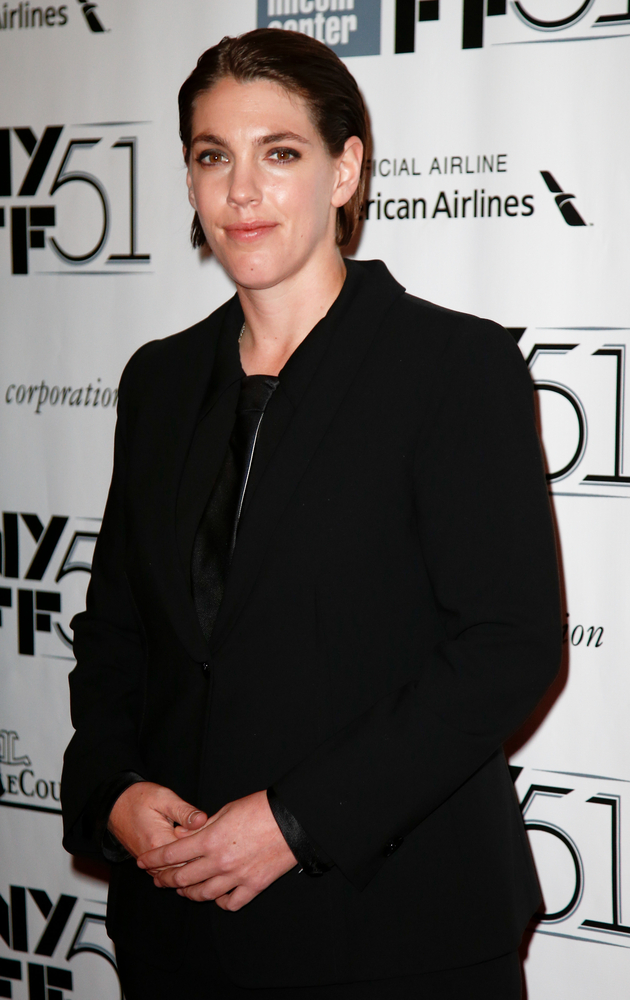
Megan Ellison. Image Credit: Debby Wong / Shutterstock.com
3. Megan Ellison: The Producer Who Redefined the Art of Modern Cinema; An Estimated Net Worth of $400 Million
In an industry often driven by box-office formulas and studio franchises, Megan Ellison has carved out a singular path — one that blends artistic integrity, risk-taking, and fierce commitment to storytelling.
As the founder of Annapurna Pictures, Ellison has championed some of the most acclaimed films of the 21st century, supporting visionary directors and redefining what it means to be a modern Hollywood producer. Her quiet confidence, creative instinct, and unwavering support for bold ideas have earned her a reputation as one of the most influential figures in contemporary cinema.
Early Life: A Heritage of Enterprise and Independence
Margaret Elizabeth “Megan” Ellison was born on January 31, 1986, in Santa Clara County, California, into a family synonymous with innovation and ambition. Her father, Larry Ellison, co-founder of Oracle Corporation, built one of the world’s largest technology companies, while her mother, Barbara Boothe Ellison, instilled in Megan a sense of independence and intellectual curiosity.
Growing up in Northern California, Megan was surrounded by technology, creativity, and a strong entrepreneurial spirit. Yet even from a young age, she was drawn less to computers than to the power of images and narrative. She loved movies — not merely as entertainment, but as expressions of emotion, perspective, and culture.
<div class=”inserted_ad” ></div>
Educated at Menlo School and later at the University of Southern California’s School of Cinematic Arts, Ellison immersed herself in the study of film production and storytelling. Her time at USC exposed her to both the technical craft of filmmaking and the business realities of the industry — lessons she would later combine with a natural instinct for creative risk.
Early Ventures: Learning by Doing
Before launching her own company, Ellison experimented with small independent projects, funding and co-producing a few short films and modest features. These early experiences gave her a firsthand understanding of how stories come together — from financing and casting to editing and distribution.
Unlike many producers who enter Hollywood through business channels, Ellison approached filmmaking as an artistic collaboration. She spent time on set, studied camera work, and formed close relationships with young directors and writers. She believed that the producer’s role was not to dictate, but to empower — to protect a filmmaker’s vision while ensuring it reached the screen uncompromised.
That philosophy would become the cornerstone of her company.
<div class=”inserted_ad” ></div>
The Founding of Annapurna Pictures
In 2011, at just twenty-five years old, Megan Ellison founded Annapurna Pictures, naming the company after the Himalayan mountain peak known for both beauty and danger — a fitting metaphor for the creative challenges of filmmaking.
From its inception, Annapurna stood apart. Ellison’s goal was simple but radical: to produce exceptional films that valued originality, artistic quality, and emotional depth over commercial formula. She positioned the studio as a home for auteurs — directors with strong voices who sought creative freedom often denied by major studios.
Her approach resonated immediately. Within a few short years, Annapurna became synonymous with daring, prestige filmmaking — producing works that earned critical acclaim, industry respect, and dozens of major award nominations.
Championing Visionary Filmmakers
Megan Ellison’s greatest strength as a producer lies in her ability to recognize talent and trust it completely. She is known for backing directors early in their careers or at pivotal creative moments, offering them the resources and independence to execute ambitious projects.
Among her most celebrated collaborations are:
- Paul Thomas Anderson — Annapurna produced The Master (2012), a complex exploration of faith and identity starring Joaquin Phoenix and Philip Seymour Hoffman, and later Phantom Thread (2017), which earned multiple Academy Award nominations and reaffirmed Anderson’s status as a modern auteur.
- Spike Jonze — Ellison produced Her (2013), a lyrical, futuristic love story that won the Oscar for Best Original Screenplay and was nominated for Best Picture.
<div class=”inserted_ad” ></div>
- Kathryn Bigelow — Annapurna financed Zero Dark Thirty (2012), a tense, meticulous chronicle of the hunt for Osama bin Laden that earned widespread acclaim and five Academy Award nominations.
- David O. Russell — Collaborations included American Hustle (2013), a vibrant ensemble drama that received ten Oscar nominations.
- Bennett Miller — Ellison backed Foxcatcher (2014), a haunting true story of ambition and control that premiered at Cannes and received five Oscar nominations.
- Richard Linklater — She co-produced Everybody Wants Some!! (2016) and later supported Where’d You Go, Bernadette (2019), championing Linklater’s warm, humanistic storytelling.
Her willingness to fund films that others deemed “too risky” or “too intelligent” has revitalized auteur cinema in an age dominated by franchises.
A New Kind of Studio
Annapurna quickly gained a reputation for combining artistic daring with boutique professionalism. Its slate encompassed a range of genres — from psychological dramas to dark comedies and animated experiments — unified by Ellison’s uncompromising focus on quality.
Defining Principles
- Creative Freedom: Directors maintain control over editing, casting, and tone.
- Intimate Scale: Films are budgeted to balance artistic ambition with financial sustainability.
- Diverse Voices: Annapurna champions both established auteurs and emerging talents.
- Authenticity: Each production seeks emotional truth over spectacle.
This strategy yielded not only critical success but also a remarkable awards record. Within its first decade, Annapurna-backed films received over 50 Academy Award nominations and more than 10 wins, establishing the company as one of Hollywood’s most respected independent studios.
Notable Productions and Expanding Horizons
Ellison’s vision has extended far beyond traditional cinema. Annapurna has also invested in television, gaming, and digital media, expanding the reach of independent storytelling across new platforms.
Film Highlights
- The Master (2012) — A study of belief and obsession, praised for its performances and cinematography.
<div class=”inserted_ad” ></div>
- Zero Dark Thirty (2012) — A landmark in political thrillers, blending realism and moral complexity.
- Her (2013) — A futuristic romance that explored love and technology with grace and empathy.
- American Hustle (2013) — A vibrant period drama balancing humor and emotional intelligence.
- Phantom Thread (2017) — A meditation on art, control, and desire, earning six Oscar nominations.
- If Beale Street Could Talk (2018) — Produced in partnership with Barry Jenkins, the film won an Academy Award and cemented Ellison’s reputation for nurturing diverse voices.
Annapurna Interactive
In 2016, Ellison expanded into gaming with the launch of Annapurna Interactive, a division dedicated to publishing story-driven video games. The label quickly became a critical darling, releasing acclaimed titles such as What Remains of Edith Finch, Outer Wilds, Stray, and Kentucky Route Zero.
The move illustrated Ellison’s broader philosophy: that storytelling transcends medium. Whether on film, television, or interactive platforms, Annapurna’s mission remains the same — to support artists who push boundaries.
Philosophy and Vision
Megan Ellison operates by instinct more than formula. She has often described her role as “creating space for artists to take risks.” In a system increasingly driven by algorithms and market testing, her commitment to artistic integrity has made her a rare figure — a producer who values art as much as audience.
<div class=”inserted_ad” ></div>
Her decision-making reflects a blend of intuition and intellect. She favors long conversations with directors about character and theme, and she is known to watch early cuts repeatedly, offering constructive feedback without imposing commercial expectations.
Ellison’s approach has reinvigorated trust between creators and producers. Directors often describe her as a “protector” — someone who defends creative freedom against external pressures.
Leadership Style: Quiet Influence
Unlike many of Hollywood’s power players, Megan Ellison avoids the spotlight. She rarely gives interviews and prefers that her films, not her persona, define her influence. This quiet leadership style mirrors her respect for collaboration and her belief that cinema is a collective art form.
Inside Annapurna, she cultivates a culture of transparency and mutual respect. Employees describe her as approachable, meticulous, and passionate about storytelling in all its forms. She is equally comfortable discussing cinematography as marketing strategy, showing an understanding of both creative and business dimensions of filmmaking.
Her restraint and humility have earned her admiration in an industry often characterized by ego and volatility.
Challenges and Resilience
Like many visionary ventures, Annapurna Pictures has faced challenges. The high costs of prestige filmmaking and shifts in distribution economics tested the company’s sustainability in the late 2010s. Yet Ellison’s dedication to her mission never wavered.
<div class=”inserted_ad” ></div>
She adapted by restructuring the company and partnering with distributors such as United Artists Releasing, ensuring Annapurna’s independence while maintaining creative control. Through these adjustments, she reaffirmed her belief that artistry and sustainability can coexist — that quality films will always find their audience.
Her pragmatic resilience demonstrates maturity and long-term vision beyond her years, qualities that have allowed Annapurna to remain a vital force in modern cinema.
<div class=”inserted_ad” ></div>
Recognition and Accolades
Megan Ellison’s work has been celebrated across the entertainment industry. She has received numerous honors, including:
- Four Academy Award nominations for Best Picture as producer of Her, American Hustle, Zero Dark Thirty, and Phantom Thread.
- The Producers Guild of America Visionary Award for her contributions to contemporary film.
- Multiple Golden Globe and BAFTA nominations across Annapurna’s productions.
- Recognition by Time, Variety, and Forbes as one of Hollywood’s most influential creative leaders.
Her track record has positioned her among the youngest producers in history to have multiple Oscar-nominated films within a single decade.
Philanthropy and Cultural Impact
Beyond filmmaking, Ellison supports initiatives that promote arts education, gender equity, and LGBTQ+ visibility in the entertainment industry. Through Annapurna’s partnerships and her personal contributions, she advocates for emerging voices and underrepresented storytellers.
<div class=”inserted_ad” ></div>
She has also supported film preservation efforts and independent film festivals, helping sustain a creative ecosystem that values risk and originality. Her influence extends beyond production into shaping the broader cultural conversation about the future of film as an art form.
Personal Life and Values
Megan Ellison is known for her privacy and grounded nature. Despite her family’s wealth and public profile, she has cultivated a modest and thoughtful lifestyle focused on creativity and purpose rather than status. Colleagues describe her as introspective, compassionate, and intellectually engaged — someone who listens more than she speaks, and who measures success by integrity rather than accolades.
Her deep respect for collaboration and equality has made her a role model for younger producers seeking a more ethical and inclusive approach to filmmaking. She embodies a modern type of Hollywood power — one rooted in empathy, intelligence, and vision.
Legacy and Lasting Influence
Megan Ellison’s influence on cinema is already profound. In little more than a decade, she has helped bring to life films that will be studied for generations — works that question, provoke, and endure. She has proven that independent film can thrive within a globalized industry, and that audiences still crave depth, nuance, and authenticity.
Through Annapurna Pictures, she has reshaped the relationship between commerce and creativity, demonstrating that artistic ambition and financial success need not be opposites. Her model — a studio built on trust, intellect, and boldness — continues to inspire a new generation of producers and filmmakers.
Perhaps most importantly, Ellison has reasserted that the producer’s true role is to protect the artist — to safeguard the fragile process of creation in an environment increasingly ruled by metrics. Her work stands as a reminder that courage in art is not found in spectacle, but in sincerity.
A New Kind of Hollywood Visionary
Megan Ellison represents the evolution of the modern producer — a leader who combines passion with principle, independence with collaboration, and intellect with heart. Through Annapurna Pictures, she has revitalized the landscape of American cinema, proving that films of substance and style can still move audiences around the world.
Her story is not one of celebrity but of conviction — of an artist-producer who believes that cinema, at its best, can illuminate truth and connect humanity. In an era defined by noise, Megan Ellison’s voice remains steady and clear — reminding us that the future of film belongs to those who dare to dream boldly and care deeply.
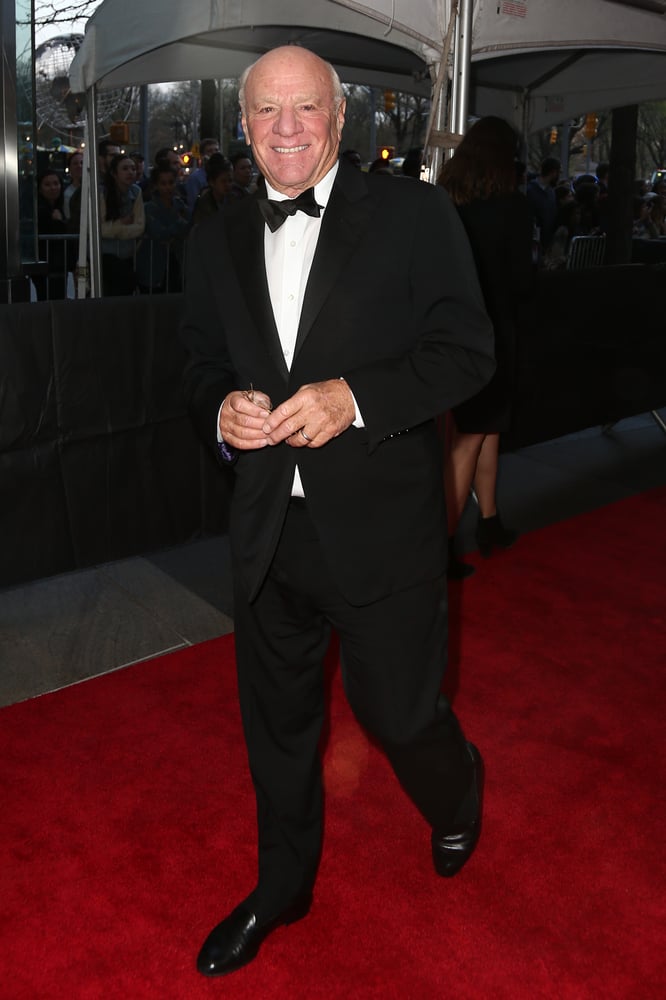
Barry Diller. Image Credit: Debby Wong / Shutterstock.com
4. Barry Diller: The Visionary Who Bridged Hollywood and the Digital Age; An Estimated Net Worth of $5.3 Billion
Few figures in modern media have influenced both entertainment and technology as profoundly as Barry Diller. From revolutionizing network television in the 1970s to pioneering online innovation in the 2000s, Diller has spent six decades shaping how the world consumes stories, connects, and communicates.
Known for his creative intuition, bold leadership, and relentless curiosity, he stands as a bridge between the glamour of old Hollywood and the dynamism of the digital era — a true architect of modern media.
Early Life: Roots of Ambition
Barry Charles Diller was born on February 2, 1942, in San Francisco, California, and raised in Beverly Hills. His father, Michael Diller, owned a small real estate business, while his mother, Reva, nurtured Barry’s creativity and determination. Growing up in postwar Los Angeles — the epicenter of entertainment — Diller absorbed the culture of storytelling and commerce that would later define his career.
As a student at Beverly Hills High School, he was bright and inquisitive but more drawn to real-world experiences than formal academics. After briefly attending the University of California, Los Angeles (UCLA), Diller left college to pursue his ambitions directly in the entertainment industry. He believed that opportunity favored initiative — and he was eager to prove himself.
His entry into Hollywood came through an unconventional path: as a mailroom clerk at the William Morris Agency. In that humble starting point, he began learning the mechanics of talent, contracts, and entertainment economics — lessons that would become the foundation for his meteoric rise.
Early Career: Learning the Industry
The William Morris mailroom has long been a legendary training ground for future moguls, and Diller quickly distinguished himself. He was curious, assertive, and had an instinct for identifying opportunity where others saw risk. Within a few years, he moved into a junior agent position, developing connections with television producers and film executives.
In the mid-1960s, Diller joined ABC as an assistant to the network’s programming chief. His timing could not have been better. Television was entering a new era of creative experimentation, and Diller was fascinated by how the medium could entertain while shaping culture. His early work involved licensing and programming — complex areas that required both creative vision and business acumen.
He rose rapidly through the ranks, demonstrating an ability to combine data and instinct. By his early thirties, Diller had already become one of the youngest executives in the television industry — a reputation that would follow him throughout his life.
The ABC Movie of the Week: Reinventing Television
At ABC, Diller’s defining early achievement was the creation of the “ABC Movie of the Week” in 1969 — a groundbreaking format that changed television forever. The concept was simple but revolutionary: produce original, made-for-TV movies that premiered weekly in primetime.
This innovation allowed ABC to compete with rival networks by offering audiences new content each week while giving young writers, directors, and actors a platform to reach millions. Many of these productions became cultural touchstones, proving that television could be both commercially successful and artistically ambitious.
<div class=”inserted_ad” ></div>
The “Movie of the Week” cemented Diller’s reputation as a creative disruptor — someone who could identify untapped potential in emerging formats. It also revealed a pattern that would define his career: transforming industries not by rejecting tradition, but by reimagining it.
Paramount Pictures: The Golden Age of Cinema Leadership
In 1974, at just 32, Barry Diller was appointed Chairman and CEO of Paramount Pictures — one of Hollywood’s most prestigious studios. The appointment marked the beginning of one of the most successful periods in modern film history.
During Diller’s decade at Paramount, the studio produced a remarkable run of critically and commercially acclaimed films, including:
- Saturday Night Fever (1977)
- Grease (1978)
- Raiders of the Lost Ark (1981)
- Beverly Hills Cop (1984)
- Terms of Endearment (1983)
- Flashdance (1983)
These films defined a generation and solidified Paramount’s dominance in the late 1970s and early 1980s. Diller’s leadership style was demanding but visionary. He empowered creative teams, valued originality, and encouraged calculated risk-taking — principles that produced enduring classics.
He also recognized early the importance of brand franchises, helping to set the template for sequel-driven, event-based filmmaking that remains central to Hollywood’s business model today.
<div class=”inserted_ad” ></div>
The Birth of a Media Visionary
Diller’s years at Paramount established him as one of the most influential figures in entertainment. Yet his ambitions extended beyond film. He wanted to integrate media, technology, and distribution — to connect storytelling with emerging forms of communication.
In 1984, he left Paramount and joined Twentieth Century Fox as Chairman and CEO. There, he again demonstrated his ability to innovate at the intersection of content and audience. Among his most enduring legacies at Fox was the creation of a fourth national television network, the Fox Broadcasting Company — a bold idea that challenged the dominance of ABC, CBS, and NBC.
Under Diller’s leadership, Fox launched in 1986, quickly distinguishing itself with edgy, youth-oriented programming such as The Simpsons, Married… with Children, and The Tracy Ullman Show. The network’s success reshaped American television and paved the way for the fragmented, diverse media landscape that defines today’s streaming era.
Diller’s Fox years also saw the founding of Fox Television Stations and Fox News, laying the groundwork for a vertically integrated media powerhouse.
<div class=”inserted_ad” ></div>
Expanding Horizons: From Hollywood to Digital Media
By the early 1990s, Diller had become synonymous with bold innovation. After leaving Fox in 1992, he turned his focus toward independent media ventures. He acquired QVC, a cable shopping network, in 1992, seeing potential in the fusion of commerce and television. His instincts were again ahead of the curve — QVC’s interactive model anticipated today’s e-commerce and live-shopping platforms by decades.
In 1995, Diller founded USA Networks, combining television, digital technology, and interactive services. USA Networks’ holdings included the USA Network and Sci-Fi Channel, along with a series of innovative investments in emerging digital businesses.
By the early 2000s, as the internet reshaped the global economy, Diller pivoted decisively toward digital platforms. He formed IAC (InterActiveCorp), a holding company that would become one of the most dynamic players in the online space. Through IAC, Diller oversaw the acquisition and development of numerous internet brands, including:
- Expedia (travel)
- Match Group (online dating, including Tinder and Match.com)
- Vimeo (digital video)
- Angi (home services)
- Dotdash Meredith (digital publishing)
Diller’s strategic insight was to view the internet not as a separate industry, but as the future of all industries. His leadership at IAC helped define the early architecture of online commerce and media, long before digital disruption became a business cliché.
<div class=”inserted_ad” ></div>
IAC and the Age of Innovation
Today, IAC remains one of the most innovative and diversified holding companies in the digital world. Under Diller’s guidance, it has nurtured and spun off multiple billion-dollar companies. Diller’s philosophy at IAC mirrors his approach in Hollywood: empower creative leaders, encourage experimentation, and focus on long-term value rather than short-term returns.
He has served as Chairman and Senior Executive of IAC, and also Chairman of Expedia Group, overseeing its growth into one of the world’s largest online travel platforms.
Even in his later decades, Diller’s enthusiasm for innovation remains undiminished. He often describes himself not as a technologist, but as a storyteller — someone drawn to how technology expands human imagination.
Leadership Philosophy: Creative Freedom and Strategic Discipline
Barry Diller’s leadership philosophy combines creative independence with strategic rigor. He believes in hiring exceptional talent and granting them the autonomy to take risks. At the same time, he demands excellence, expecting ideas to be tested through discipline and logic.
Colleagues describe him as both exacting and deeply loyal. He values intuition, conviction, and courage — qualities that have allowed him to make bold moves when others hesitated.
Diller once summarized his approach simply: “The greatest business tool is instinct, sharpened by experience.”
This balance of instinct and analysis has guided him through every phase of his career — from network television to global digital conglomerates.
Philanthropy and Cultural Contributions
Beyond business, Barry Diller has become a major patron of the arts, education, and public space. Together with his wife, fashion designer Diane von Fürstenberg, he has supported numerous cultural and civic initiatives in New York City and beyond.
The Diller – von Fürstenberg Family Foundation
Established in 1999, the foundation supports institutions dedicated to arts, education, and urban improvement. Its beneficiaries include the High Line, Whitney Museum of American Art, and New York University, among many others.
Perhaps their most iconic project is Little Island, a public park built on the Hudson River, which opened in 2021. The innovative green space — combining landscape architecture, art, and community programming — exemplifies Diller’s belief that cities should nurture creativity and accessibility for all.
His philanthropy mirrors his business philosophy: invest in ideas that endure, elevate, and inspire.
Awards and Recognition
Barry Diller’s six-decade career has earned him numerous accolades and honors, including:
- Induction into the Television Hall of Fame (1994)
- PGA Milestone Award for his contributions to film and television production
- Recognition by Time, Forbes, and Fortune as one of the most influential figures in media and technology
- The Center for Communication Leadership Award for innovation in media and communications
- Multiple honorary degrees acknowledging his impact on entertainment, business, and philanthropy
Despite his achievements, Diller remains characteristically understated about recognition. “The real reward,” he has said, “is building something that lasts.”
Personal Life and Character
Barry Diller married Diane von Fürstenberg, the legendary Belgian-born fashion designer, in 2001. Their partnership is one of mutual respect and shared creativity — a union of two visionary minds from different worlds who share a belief in independence, beauty, and social contribution.
Diller is known for his disciplined lifestyle and intellectual curiosity. He divides his time between business, cultural projects, and travel, often described as endlessly inquisitive and tireless in his pursuit of new ideas.
Despite decades of influence, he has largely avoided the cult of celebrity, preferring to work behind the scenes to shape institutions that endure. His humility, combined with his exacting standards, has earned him admiration across industries.
Legacy: A Bridge Between Eras
Barry Diller’s legacy lies in his unique ability to connect past and future, storytelling and technology, creativity and structure. He began his career in an analog world of film reels and television networks and evolved into one of the defining digital entrepreneurs of the 21st century.
He has changed how people watch movies, discover travel, and communicate online — often anticipating transformations years before they became mainstream. In doing so, he has shown that innovation is not about abandoning tradition, but about reinterpreting it for new generations.
From ABC to IAC, Diller’s life’s work has been guided by a single principle: that imagination, when combined with discipline, can reshape entire industries. He has not only built companies but also built platforms for creativity — empowering countless others to share their stories with the world.
The Architect of Media’s Evolution
Over six decades, Barry Diller has proven that true leadership is not confined to one medium, one era, or one vision. From the golden age of Hollywood to the dawn of the internet, he has remained steadfastly committed to innovation, excellence, and the belief that technology should serve creativity, not replace it.
His life is a testament to the power of curiosity and conviction — a reminder that the most transformative figures are those who bridge worlds rather than choose between them.
As entertainment and technology continue to merge, Diller’s influence endures everywhere: in the streaming platforms we watch, the brands we use, and the public spaces we enjoy. Through vision, intellect, and unrelenting energy, he has defined what it means to be both a creator and a builder in the modern age — a true architect of media’s evolution.
5. Jennifer Pritzker: The Trailblazing Leader Bridging Service, Heritage, and Vision; An Estimated Net Worth of $2.5 Billion
In the worlds of business, philanthropy, and public service, Jennifer Natalya Pritzker stands out as a figure of profound transformation and purpose. As a decorated military veteran, entrepreneur, historian, and philanthropist, she has combined discipline with compassion, leadership with legacy, and progress with preservation.
Her journey — from a life of service in the U.S. Army to becoming one of America’s most distinguished investors and advocates for equality — exemplifies how strength and empathy can coexist in leadership.
Early Life: Heritage and Foundations
Jennifer Natalya Pritzker was born on August 13, 1950, in Chicago, Illinois, into one of America’s most prominent business families. The Pritzker family, of Ukrainian-Jewish descent, built a legacy through enterprise, innovation, and philanthropy. Her grandfather, A.N. Pritzker, founded the industrial empire that became the foundation for the Hyatt Hotels Corporation and the Marmon Group, among other ventures.
Growing up in a family known for business excellence, Jennifer learned early lessons in discipline, responsibility, and civic duty. The Pritzker family tradition emphasized not only entrepreneurship but also public service — a philosophy that would profoundly shape her worldview.
Although surrounded by business success, Jennifer’s interests from an early age leaned toward history, architecture, and military service. She admired structure, order, and the sense of purpose embodied in the armed forces — qualities that would later guide her both professionally and personally.
She attended Lake Forest Academy and later enrolled at Loyola University Chicago, earning a Bachelor of Arts degree in History. Her studies in history and leadership would serve as a foundation for her lifelong dedication to education, heritage, and service.
Military Career: Discipline and Dedication
In 1974, Jennifer Pritzker began her military career by enlisting in the U.S. Army, where she served actively until 1985. Her years in uniform marked the beginning of a lifelong commitment to service and leadership.
During her active duty, she served as an infantry officer, later transitioning into the Illinois Army National Guard and the U.S. Army Reserve. Over the course of more than 27 years of combined service, she rose to the rank of Lieutenant Colonel, earning multiple honors for her commitment and professionalism.
Her assignments included command and staff positions across several divisions, where she honed her expertise in logistics, personnel management, and leadership. Her colleagues often noted her precision, calm under pressure, and ability to inspire those under her command.
In addition to her service roles, she completed numerous professional military education programs, reflecting her belief in continual learning and excellence. Even after retiring from active military service, her dedication to veterans and military history remained unwavering.
For Jennifer, the armed forces were not merely a career — they were a calling. The discipline, integrity, and teamwork she learned in uniform would become the guiding principles behind every future endeavor.
Entrepreneurship and Business Leadership
Following her retirement from military service, Jennifer Pritzker turned her focus toward business and investment. Drawing on her family’s legacy of entrepreneurship, she founded Tawani Enterprises in 1996, a private investment firm based in Chicago.
Under her leadership, Tawani Enterprises became known for its diverse portfolio, encompassing real estate development, hospitality, technology, and historic preservation. Yet what distinguishes the company from many others is its mission-driven philosophy — balancing profit with purpose.
Jennifer established Tawani Enterprises to invest in projects that not only generate value but also enhance communities, preserve history, and promote sustainability. The company’s approach reflects her unique blend of military precision and civic responsibility.
Among its notable ventures are:
- The Emil Bach House and Lang House Chicago, meticulously restored historic properties available for cultural stays and events.
- Aloft at The 8th Avenue Residences and other preservation-oriented developments that integrate architectural heritage with modern living.
- Aurora Metals and Tawani Property Management, combining industrial heritage with forward-looking investment.
Jennifer’s business philosophy is rooted in stewardship. She believes that success carries with it the obligation to care for history, people, and place — a vision that infuses her entrepreneurial ventures with cultural purpose.
Philanthropy and the Tawani Foundation
Beyond business, Jennifer Pritzker’s greatest impact may lie in her philanthropy. In 2002, she established the Tawani Foundation, a nonprofit organization dedicated to promoting knowledge, human rights, and heritage preservation.
The foundation’s mission reflects her broad range of interests: education, military history, historical preservation, science, gender equality, and community development. Through the Tawani Foundation and its partner organization, the Pritzker Military Foundation, she has directed significant resources toward projects that enrich both individuals and institutions.
Education and Research
Jennifer’s philanthropy has supported numerous academic institutions, including:
- Norwich University, America’s first private military college, where she has funded leadership and ROTC programs.
- The University of Oxford, supporting research and education in military history.
- Loyola University Chicago and Northwestern University, contributing to scholarship programs and academic initiatives.
Her support consistently reflects a belief that education is not only a tool for advancement but also a means of cultivating ethical leadership.
The Pritzker Military Museum & Library
One of Jennifer Pritzker’s signature achievements is the Pritzker Military Museum & Library, founded in 2003 in downtown Chicago. The institution serves as a world-class resource dedicated to the study and understanding of the citizen soldier’s role in history and democracy.
The museum’s mission is to preserve and share the stories of those who have served, promoting appreciation for the sacrifices made in defense of freedom. Its vast collections include rare military documents, photographs, and artifacts from around the world.
Under Jennifer’s leadership, the museum has grown into a respected academic and cultural center, hosting lectures, exhibitions, and educational programs that connect the public with the values of service and sacrifice.
Preserving History and Architecture
A passionate advocate for historic preservation, Jennifer Pritzker has invested in restoring important landmarks throughout Chicago and beyond. Her projects often focus on buildings that tell stories about community and heritage, breathing new life into spaces that might otherwise have been lost to time.
Through Tawani Property Management, she has overseen restorations such as the Frank Lloyd Wright–designed Emil Bach House, ensuring its preservation for future generations. Her work in this arena combines aesthetic sensitivity with civic responsibility, aligning with her broader vision of respecting the past while building for the future.
Her investments in heritage tourism and hospitality also provide an economic boost to local neighborhoods, demonstrating how preservation can serve both cultural and economic progress.
Advocacy and Inclusivity
Jennifer Pritzker is widely recognized as one of the world’s most prominent transgender business leaders and philanthropists. Her decision to publicly come out as transgender in 2013 marked a milestone in visibility and representation for LGBTQ+ individuals, particularly within corporate and military circles.
Her openness and leadership have inspired others across industries to live authentically and with courage. Through her foundations, she has supported programs promoting equality, diversity, and understanding. She has also championed initiatives that help veterans transition successfully into civilian life, emphasizing that service and identity are deeply human experiences deserving of dignity and respect.
While she does not define her legacy solely through gender identity, her visibility has made her an important symbol of inclusion and progress — demonstrating that authenticity and achievement can coexist at the highest levels of leadership.
Civic Engagement and Community Building
Jennifer Pritzker’s influence extends into civic and cultural life. She has served on the boards and advisory councils of numerous institutions, including:
- The Chicago Symphony Orchestra, supporting arts and music education.
- The National Strategy Forum, focusing on national security and defense policy.
- Norwich University’s Board of Trustees, guiding leadership development in the next generation of officers.
- The World War One Centennial Commission, helping commemorate the service and sacrifice of soldiers during the Great War.
Her contributions bridge military, cultural, and civic spheres — reflecting a lifelong commitment to connecting people through shared values of history, learning, and community service.
Leadership Philosophy: Honor, Integrity, and Purpose
Across all her endeavors, Jennifer Pritzker’s leadership is marked by discipline, respect, and vision. She draws heavily from her military training, emphasizing preparation, teamwork, and moral responsibility.
She often describes success as a form of stewardship: the duty to build organizations that endure and serve others. Her management style combines structure with empathy — ensuring that every decision aligns with long-term impact rather than short-term gain.
Her personal motto, echoing her military roots, centers on honor, loyalty, and respect — values she believes transcend professions, politics, and generations.
Awards and Recognition
Throughout her distinguished career, Jennifer Pritzker has received numerous honors recognizing her military service, philanthropy, and civic leadership. Among these are:
- The Meritorious Service Medal, Army Commendation Medal, and Army Achievement Medal for her exemplary military performance.
- Recognition from the Illinois National Guard for leadership and service excellence.
- Honors from educational institutions and nonprofit organizations for her commitment to veterans, preservation, and equality.
- Inclusion in Forbes and Bloomberg features highlighting her impact as both a business leader and philanthropist.
While she values recognition, Pritzker consistently emphasizes that true achievement lies not in accolades but in meaningful contribution to others.
Personal Life and Interests
Jennifer Pritzker lives in the Chicago area, balancing her time between business, philanthropy, and cultural engagement. She maintains a strong interest in military history, historic architecture, education, and travel. Those who know her personally describe her as focused, generous, and deeply curious — equally comfortable in academic discussions as in quiet reflection.
A lifelong learner, she continues to support historical research and preservation projects, often attending symposiums and exhibitions related to her fields of interest. Her private demeanor contrasts with the scale of her achievements, reflecting her belief that leadership is best exercised through example.
Legacy and Impact
Jennifer Pritzker’s legacy is multifaceted and enduring. She has reshaped the concept of leadership by integrating service, heritage, and humanity into every aspect of her life. Her contributions span:
- Military and Veterans Affairs: Championing the values of duty, honor, and sacrifice.
- Business Innovation: Building purpose-driven companies that value community as much as profit.
- Cultural Preservation: Restoring and safeguarding landmarks that embody shared history.
- Philanthropy: Expanding access to education, equality, and understanding.
- Representation: Inspiring countless individuals by living authentically and leading with integrity.
Her life exemplifies how progress is achieved not through disruption alone, but through continuity — linking the best of the past to the promise of the future.
A Life of Purpose and Principle
Jennifer Pritzker represents a new model of leadership — one defined by courage, service, and stewardship. From her early years in the U.S. Army to her success as a business leader and philanthropist, she has demonstrated that vision and compassion can coexist powerfully.
Her story is not only about transformation but about continuity: a steadfast commitment to duty, learning, and the belief that every person has a responsibility to contribute to the greater good.
Through her example, Jennifer Pritzker continues to inspire generations to lead with integrity, embrace authenticity, and honor the legacies that came before while building a more inclusive and understanding world.
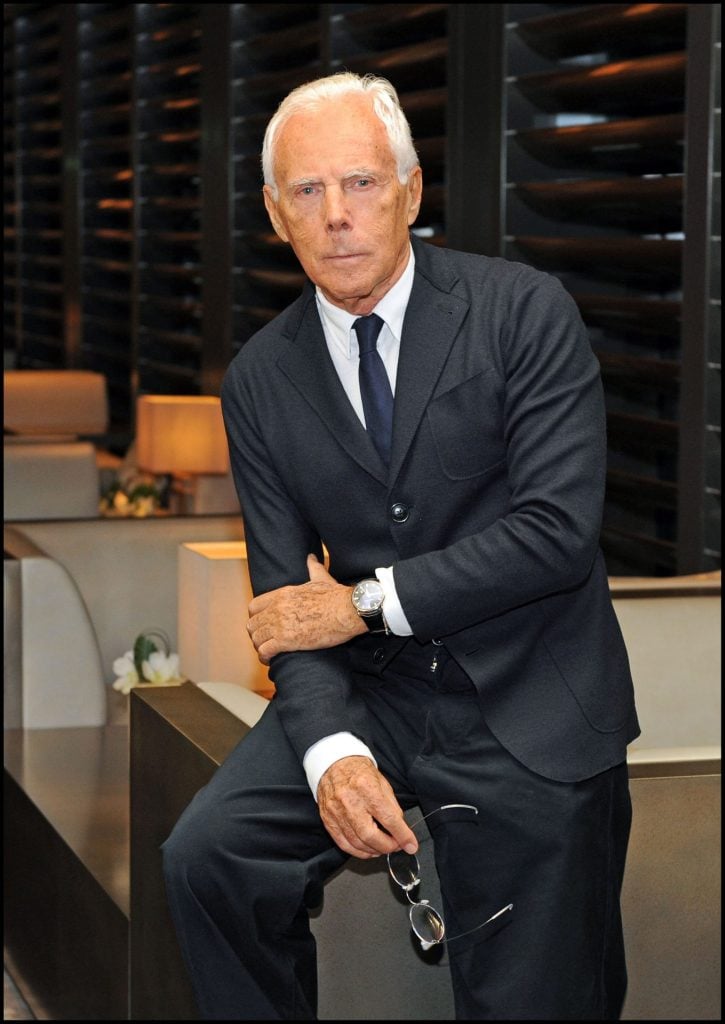
Giorgio Armani. Image Credit: DELBO ANDREA / Shutterstock.com
6. Giorgio Armani: The Architect of Modern Elegance; Had An Estimated Net Worth of $12.1 Billion
Few designers have shaped global fashion with the precision, restraint, and vision of Giorgio Armani. Synonymous with effortless sophistication, Armani transformed the way the world dresses — redefining luxury through simplicity, comfort, and timeless form. From the soft tailoring that liberated a generation of men and women to an empire spanning fashion, fragrance, furniture, and film, his legacy is one of discipline, artistry, and enduring grace. Giorgio Armani passed away in September 2025 at the age of 91.
Early Life: Discipline and Design in Post-War Italy
Giorgio Armani was born on July 11, 1934, in the industrial town of Piacenza, Italy. Growing up during and after World War II, Armani experienced firsthand the contrasts of scarcity and renewal that would later influence his refined aesthetic. His father, Ugo, worked as an accountant for a transport company, and his mother, Maria, nurtured Giorgio and his two siblings with warmth and structure.
From an early age, Armani showed curiosity about proportion, texture, and detail — qualities that later defined his designs. He often recalled how, as a child, he would observe soldiers’ uniforms, fascinated by their structure and formality. This sense of precision, order, and dignity would remain central to his creative vocabulary.
After finishing school in Piacenza, Armani enrolled at the University of Milan to study medicine. However, after three years, he realized his true interests lay elsewhere. He left university before graduating and briefly served in the Italian Army, where he worked in a military hospital — an experience that deepened his appreciation for humanity, simplicity, and resilience.
When he returned to civilian life, Armani sought work that engaged his visual sensibilities. That decision led him toward Milan’s growing fashion scene.
Early Career: From Window Dresser to Designer
In the mid-1950s, Armani began working as a window dresser for the Milanese department store La Rinascente, one of Italy’s leading retail destinations. The role exposed him to textiles, color coordination, and merchandising — the silent architecture of fashion presentation. His keen eye and meticulous work soon earned him a promotion to buyer, giving him firsthand experience in understanding what customers wanted and how trends emerged.
After nearly a decade at La Rinascente, Armani transitioned into design. In the 1960s, he joined Nino Cerruti’s menswear company, Hitman, as a designer. Under Cerruti’s mentorship, Armani learned the craftsmanship behind tailoring and garment construction. His natural sense of proportion and balance stood out; he intuitively understood how to blend structure with ease.
During this period, he also began collaborating with other Italian labels as a freelance designer. His approach — emphasizing fluid lines, muted tones, and understated elegance — contrasted sharply with the more flamboyant fashions of the time. Armani’s vision was clear even then: style should serve the person, not the other way around.
The Birth of a Brand
In 1975, at the age of 41, Giorgio Armani founded his own company, Giorgio Armani S.p.A., together with his lifelong friend and business partner Sergio Galeotti. Their shared dream was to build a fashion house that embodied authenticity, comfort, and sophistication. With a modest team and limited resources, they launched their first men’s and women’s ready-to-wear collections in Milan.
From the beginning, Armani’s work felt revolutionary. His unstructured jackets, neutral palettes, and lightweight fabrics redefined modern dressing. Where traditional menswear emphasized rigidity, Armani offered movement. Where women’s fashion demanded formality, he provided liberation. The result was clothing that reflected the changing spirit of the 1970s — confident, independent, and cosmopolitan.
His first collections received critical acclaim for their craftsmanship and subtle sensuality. By softening lines and focusing on comfort, Armani captured a new kind of luxury — one that emphasized how clothing felt rather than how ornate it appeared.
The 1980s: Global Stardom and Cultural Influence
The 1980s marked the decade when Giorgio Armani became a global icon. His designs for Richard Gere in the 1980 film American Gigolo introduced his minimalist suits to Hollywood and to audiences around the world. Gere’s portrayal of a suave, impeccably dressed professional captured the imagination of a generation — and turned the “Armani suit” into a symbol of modern power and taste.
Armani’s designs also became the unofficial uniform of professionals redefining success in the 1980s. His softly tailored jackets, often in shades of taupe, grey, and sand, expressed quiet authority and confidence without excess. For women entering corporate life, his fluid, structured jackets and trousers offered empowerment without sacrificing elegance.
The world took notice. Armani’s name became synonymous with effortless style — a visual language that bridged gender, profession, and culture. Magazines, celebrities, and executives alike embraced what was dubbed “the Armani look”: clean lines, natural fabrics, and impeccable fit.
In 1982, Time magazine featured Giorgio Armani on its cover — a rare honor for a designer — recognizing him as the man who revolutionized the way modern people dress.
Building an Empire
While many designers focused solely on fashion, Armani and Galeotti envisioned a lifestyle brand — one that extended beyond clothing to embody a complete aesthetic of living. Through strategic expansion, Armani created one of the world’s most comprehensive luxury portfolios.
By the late 1980s and 1990s, the Armani brand family included:
- Giorgio Armani — the flagship line of high fashion.
- Emporio Armani — youthful, accessible ready-to-wear.
- Armani Collezioni, Armani Jeans, and A|X Armani Exchange — each targeting distinct audiences and lifestyles.
- Armani Casa — luxury home furnishings and interior design.
- Armani Beauty and Armani Fragrances — extending elegance into cosmetics and scent.
This multi-tiered structure allowed the brand to maintain exclusivity while remaining inclusive — a rare balance in luxury. Armani’s approach combined artistic control with business discipline, enabling him to maintain ownership and creative authority over his company, even as it expanded globally.
By the 2000s, Giorgio Armani S.p.A. had become a billion-dollar empire, employing thousands worldwide and representing a quintessential Italian success story.
Design Philosophy: The Power of Simplicity
At the heart of Giorgio Armani’s philosophy lies the idea that true style is timeless. His clothes are not defined by excess or trends but by balance and proportion. He once said, “Elegance is not about being noticed, it’s about being remembered.”
Key elements of his philosophy include:
- Simplicity as sophistication: Removing unnecessary embellishment to reveal purity of form.
- Fluidity and comfort: Clothing that moves with the body, emphasizing ease over rigidity.
- Neutral palettes: Shades of beige, stone, navy, and charcoal that flatter without shouting.
- Gender harmony: Designs that blur traditional distinctions, allowing men and women to share a refined aesthetic language.
This minimalist yet emotional approach revolutionized fashion. Armani’s garments feel timeless because they express confidence without aggression — an aesthetic of calm authority.
Resilience and Independence
After Sergio Galeotti’s passing in 1985, Armani faced the challenge of steering his company alone. The loss was profound both personally and professionally, but Armani’s resilience and discipline guided the brand through transition. He took full control as chairman, CEO, and chief designer, maintaining independence in an industry increasingly dominated by conglomerates.
Armani’s insistence on self-ownership became one of his hallmarks. While many luxury houses merged into multinational groups, Armani retained majority control of his company — ensuring that creativity and values remained intact. His autonomy has allowed him to make strategic decisions at his own pace, always guided by long-term vision rather than short-term gain.
This independence has preserved the purity of his brand — allowing him to expand carefully into hospitality, design, and technology without compromising the essence of Armani.
The Armani Lifestyle: Beyond Fashion
Over the past four decades, Giorgio Armani has built more than a fashion label; he has created a world of design. The Armani name now extends across numerous sectors that reflect his refined approach to living.
Armani Casa
Launched in 2000, Armani Casa brings the brand’s elegant minimalism into interior design. With clean lines, natural materials, and subtle color palettes, the collection embodies tranquility and harmony — a continuation of Armani’s belief that design should improve daily life.
Armani Hotels & Resorts
In partnership with Emaar Properties, Armani launched his first Armani Hotel in Dubai in 2010, followed by one in Milan. Each property reflects his design philosophy: understated luxury, serenity, and precision. From architecture to furniture, every detail is conceived by Armani himself.
Armani Beauty
His cosmetics and fragrances, produced in collaboration with L’Oréal, are among the world’s leading luxury beauty lines. Signature scents such as Acqua di Gio, Armani Code, and Si have become global classics — modern, elegant, and enduring, like the designer himself.
Philanthropy and Cultural Contributions
Beyond business, Giorgio Armani has demonstrated a deep commitment to philanthropy, health, and the arts. He has supported medical research, education, and disaster relief efforts, both in Italy and abroad. His foundation contributes to hospitals, humanitarian initiatives, and environmental projects.
Armani is also a long-standing supporter of cinema. His costumes have graced countless films, and he continues to collaborate with directors and actors to merge fashion with storytelling. He sees film as a natural extension of his craft — a medium that, like clothing, expresses character and emotion.
During the COVID-19 pandemic, Armani was among the first major designers to shift production to medical garments and donate significant funds to hospitals in Milan and across Italy, underscoring his sense of social responsibility.
Personal Life and Character
Despite global fame, Giorgio Armani remains remarkably private and disciplined. Known for his modest lifestyle and relentless work ethic, he still oversees every aspect of his company’s creative direction. His days begin early, often with exercise and design review sessions, reflecting his lifelong pursuit of balance and health.
Colleagues describe him as precise, focused, and deeply thoughtful — a perfectionist with an artist’s eye and an engineer’s logic. He prefers quiet reflection over public spectacle, allowing his work to speak for itself.
Armani has never married and lives primarily in Milan, maintaining residences that mirror his aesthetic: minimalist, elegant, and harmonious. He surrounds himself with art, books, and nature — his constant sources of inspiration.
Recognition and Legacy
Giorgio Armani’s contributions to fashion and culture have earned him countless honors, including:
- Commander of the Legion of Honour (France)
- Grand Officer of the Order of Merit of the Italian Republic
- Multiple CFDA International Awards recognizing his global influence.
- Exhibitions dedicated to his work, including the landmark retrospective “Giorgio Armani” at the Guggenheim Museum New York in 2000 — the first major museum exhibition devoted to a living designer.
His company continues to thrive as one of the few independently owned fashion houses in the world, employing thousands across design, manufacturing, and retail. Armani’s influence can be seen in nearly every corner of contemporary design — from architecture and film to sportswear and fragrance.
A Timeless Legacy
Giorgio Armani’s story is one of transformation — of turning simplicity into luxury, restraint into power, and vision into global legacy. Over more than five decades, he has proven that fashion, when guided by authenticity and humanity, can transcend trends and touch lives.
He has dressed statesmen, actors, athletes, and generations of professionals who see in his work not just beauty, but confidence and calm. Yet his greatest contribution may be his redefinition of elegance itself: not as a display of wealth, but as an expression of character.
The Maestro of Modern Grace
Armani’s legacy is not only measured in collections or buildings, but in the countless people who have found confidence, comfort, and identity in his designs. Through precision, patience, and purpose, he has turned fashion into philosophy — one that will continue to inspire generations long after the last runway light fades.
Giorgio Armani passed away in September 2025.
7. Stein Erik Hagen: Norway’s Quiet Tycoon of Retail, Investment & Cultural Patronage; An Estimated Net Worth of $2.7 Billion
Few modern business figures in Scandinavia embody the blend of entrepreneurial drive, careful stewardship, and cultural sensibility as Stein Erik Hagen. From founding discount retail brands to building a diversified investment empire and supporting the arts, Hagen’s life is a portrait of ambition rooted in responsibility. This non-controversial biography traces his early steps, business evolution, values, and legacy — a story of how one man turned humble retail beginnings into a lasting imprint on commerce and culture.
Early Life and Roots
Stein Erik Hagen was born on July 22, 1956, in Norway. He grew up in a family with roots in retail and small business, giving him early exposure to commerce and enterprise. His education included studies at Kjøpmannsinsituttet, an institution that later became part of Norway’s BI Norwegian Business School, where he absorbed foundational business principles such as accounting, trade, and management.
In his youth, Hagen observed the operations of local stores and absorbed lessons about costs, logistics, and consumer behavior. These formative experiences — seeing how goods moved, margins worked, and customers responded — shaped his instinct for retail and discounting.
In 1976, as a young adult, he formally entered the business world. He joined his father’s operations and began exploring new formats for trade, setting the stage for his future ventures and expansions.
Founding RIMI: Discount Retailing with Vision
One of Hagen’s earliest major milestones was co-founding RIMI, a discount supermarket chain, together with his father. They operated under the motto “Easiest is Cheapest” — a commitment to low overheads, efficient operations, and accessible pricing. Over the years, RIMI grew steadily across Norway, expanding its store count, optimizing supply chains, and gaining a reputation for simplicity, value, and dependability.
By the 1980s and 1990s, RIMI had become a significant force in the Norwegian retail sector, with strong brand recognition and market presence. Hagen’s management philosophy emphasized lean operations, close cost control, and reinvestment into incremental expansion rather than risky speculation.
As RIMI matured, Hagen’s ambitions grew beyond a single supermarket chain. He recognized that profits from retail could be channeled into broader investments, and he began diversifying his holdings and influence.
Building Canica: A Holding Platform for Growth
In 1985, Hagen founded Canica AS, his family’s investment and holding company. Canica became the vehicle through which he would manage, grow, and diversify his business interests. Initially focused on retail and related sectors, Canica gradually built stakes and leadership positions across numerous Norwegian and Nordic companies.
Through Canica, Hagen acquired or invested in holdings such as:
- Orkla ASA, a major industrial and consumer goods conglomerate (where Hagen later became chairman).
- Jernia, a chain of hardware and home improvement stores.
- Komplett, a leading online retailer in the Nordics.
- Steen & Strøm, a shopping center and retail real estate company.
Canica’s philosophy has emphasized a long-term, value-oriented approach. Rather than reactive trading, Hagen used Canica to maintain steady positions and influence in companies he believed in. Over time, he delegated more operational oversight to his children, preparing the next generation for continuity and stewardship.
By structuring his assets under Canica, Hagen ensured that his capital could be allocated flexibly into core sectors while preserving control, accountability, and consistency with his values.
Transitioning from Retail to Investment Leadership
As RIMI’s growth slowed and consolidation pressures in retail increased, Hagen began winding down his direct operational involvement. In the early 2000s, he sold his stake in RIMI to Swedish and Dutch interests (notably ICA and Ahold). The proceeds were largely reinvested via Canica into industrial, consumer, and technology enterprises.
His move from being a hands-on retailer to a strategic investor mirrored the transformation many modern entrepreneurs make: shifting from managing day-to-day operations to shaping portfolios and governance. Hagen’s reputation shifted from discount supermarket founder to respected chairman and shareholder influence.
In 2006, Hagen became chairman of Orkla ASA, which became a central pillar of his investment identity. Under his leadership and with Canica as a major stakeholder, Orkla expanded its food, consumer goods, and industrial segments. Hagen contributed strategic oversight, board guidance, and alignment with long-term goals, while allowing operational leadership to manage the day-to-day.
Through this period, Hagen’s net worth grew significantly. Forbes and other financial assessments have placed his wealth in the billions of dollars, making him one of Norway’s wealthiest individuals. His influence is not only financial but strategic — in shaping corporate governance, investment standards, and industrial direction in the region.
Art, Culture & Public Contribution
Beyond commerce, Hagen has invested deeply in art and culture as a form of legacy and civic contribution. Over decades, he assembled one of Norway’s most significant private art collections, with works by Nordic and European artists across the 19th and 20th centuries. The collection includes painting, sculpture, prints, and modernist works, and is known for its depth and curated character.
At one point, Hagen made arrangements for national museums to access parts of his collection freely, enhancing public exposure to works that might otherwise remain privately held. This gesture reflects a philosophy that art is part of shared cultural heritage, not just private possession.
His foundations and Canica also contribute to medical research, education, and social causes. For instance, he has supported initiatives in cardiovascular health, university programs, and institutions seeking to combine scientific progress with public welfare. Through philanthropy, he seeks to couple his financial success with social responsibility.
Personal Values, Style & Leadership
Stein Erik Hagen is characterized by a demeanor of modesty, strategic restraint, and seriousness of purpose. He seldom courts the spotlight; instead, he exerts influence through boardrooms, governance, and example. He expects rigor, ethical clarity, and continuity.
One of his guiding principles is stewardship — treating wealth and influence as responsibilities rather than privileges. Under his leadership, Canica emphasizes consistency, competence, and sustainability. He has stated that business should not just chase profit, but also contribute meaningfully to society, culture, and future generations.
Hagen has involved his children in governance and ownership to ensure that the company’s values persist beyond his personal tenure. Multiple siblings have taken board and leadership roles, and ownership shares have been gradually transferred to prepare for generational succession.
Though private in many respects, Hagen’s public persona blends seriousness with cultural interest — someone who sees business success as deeply entwined with the well-being of community, art, and national identity.
Legacy, Influence & Future Vision
Stein Erik Hagen’s legacy is multifaceted:
- He transformed discount retailing in Norway, proving that high-volume, low-margin formats can scale responsibly.
- He evolved from founder to strategic investor, showing that adaptability and discipline matter at every stage.
- Through Canica and Orkla, he has shaped corporate governance and industrial strategy in Norway and the Nordic region.
- His contributions to art and culture amplify his impact beyond finance — enabling public access to works, supporting artistic institutions, and preserving cultural heritage.
- His commitment to continuity, family governance, and measured philanthropy offers a model for sustainable legacy building.
Looking ahead, Hagen’s influence will likely endure through the institutions he has shaped — the companies he helped steer, the cultural initiatives he advanced, and the family structures he built to keep values alive. In a world of faster changes and risk-chasing, his path shows a disciplined alternative: build steadily, invest wisely, give back generously.

Tim Cook. Image Credit: Laura Hutton / Shutterstock.com
8. Tim Cook: The Quiet Visionary Who Redefined Apple’s Global Legacy; An Estimated Net Worth of $2.4 Bilion
In an age of fast headlines and louder-than-life leaders, Tim Cook has built his legacy through quiet strength, discipline, and vision. As the Chief Executive Officer of Apple Inc., Cook has guided one of the world’s most influential companies into a new era of innovation, sustainability, and social responsibility. While his predecessor, Steve Jobs, was known as a creative force of nature, Cook’s leadership has been defined by precision, inclusivity, and long-term thinking — turning Apple from a brilliant brand into a deeply principled global institution.
Early Life: Roots of Integrity and Hard Work
Timothy Donald Cook was born on November 1, 1960, in the small town of Robertsdale, Alabama. He was the second of three sons in a close-knit Southern family. His father, Donald, worked in a shipyard, and his mother, Geraldine, was a homemaker who instilled in her children the values of humility, kindness, and perseverance.
Robertsdale was a modest town, and life there revolved around hard work, education, and community. Cook excelled academically, driven by curiosity and discipline. He attended Robertsdale High School, where teachers described him as thoughtful, analytical, and quietly determined. Even then, he displayed a rare combination of technical aptitude and moral grounding — qualities that would later shape his leadership at Apple.
After graduating in 1978, Cook attended Auburn University, earning a Bachelor of Science degree in Industrial Engineering in 1982. His interest in systems, efficiency, and process optimization emerged early. He went on to earn an MBA from Duke University’s Fuqua School of Business in 1988, where he was named a Fuqua Scholar — a distinction awarded to students in the top 10% of their class.
Career Foundations: From IBM to Compaq
Before joining Apple, Cook spent over a decade honing his skills in operations and supply chain management — the backbone of any technology company.
He began his career at IBM, working in the company’s Personal Computer division. During his 12 years there, he rose through the ranks to become Director of North American Fulfillment, responsible for manufacturing and distribution in the Americas. At IBM, Cook learned how to manage vast logistics networks and lead large teams with precision and empathy. He developed a reputation for operational excellence and a deep respect for process — the art of turning complexity into simplicity.
After IBM, Cook served as Chief Operating Officer at Intelligent Electronics, a computer reseller, and later joined Compaq as Vice President for Corporate Materials, overseeing procurement and inventory. Yet, despite Compaq’s prominence at the time, Cook felt unfulfilled. He was looking for something more meaningful — a company with a mission beyond market share.
That calling came in 1998, when Apple — then struggling to regain footing after a difficult decade — approached him with an opportunity that would change his life.
Joining Apple: A Leap of Faith
When Tim Cook joined Apple Inc. in 1998, the company was in turmoil. Its market share was dwindling, its product line fragmented, and its future uncertain. Many analysts questioned whether Apple could survive. But Cook saw something others didn’t: potential.
He met with Steve Jobs, who had recently returned to Apple as CEO. Jobs’ charisma and conviction left a lasting impression. “He talked about making great products,” Cook later recalled. “He talked about changing the world. That’s what drew me in.”
Cook accepted the offer to become Senior Vice President for Worldwide Operations, leaving behind the security of Compaq. It was a risky move — but one that would ultimately redefine both Apple and his own career.
The Operations Genius
At Apple, Cook immediately began transforming the company’s manufacturing and supply chain systems. He streamlined operations, closed inefficient factories, and reduced inventory levels from months to days — a bold and unprecedented move in the tech industry.
Cook’s philosophy was simple: build only what people need, when they need it — and do it with excellence. Under his leadership, Apple shifted production to a global supply chain, partnering with top manufacturing firms and investing in logistics that could respond to consumer demand with agility.
His work saved Apple millions and set the foundation for its future growth. The efficiency and precision he introduced would later enable Apple to deliver groundbreaking products — from the iPod and iPhone to the Apple Watch — on a global scale.
Colleagues often described Cook as calm, focused, and tireless. He was known to arrive before dawn and work late into the night, embodying the discipline that would become synonymous with his leadership style. Yet behind the data and logistics, Cook’s motivation was human: to make technology accessible, reliable, and seamlessly integrated into everyday life.
Rising Through the Ranks
Over the years, Cook’s operational success made him indispensable to Apple’s leadership team. He was promoted to Chief Operating Officer in 2005, overseeing worldwide sales and operations, including the Macintosh division and the company’s reseller and service network.
During this period, Apple experienced a renaissance. Products like the iMac, iTunes, and later the iPod revitalized the brand, setting the stage for the iPhone revolution. Cook’s behind-the-scenes mastery ensured that Apple could meet explosive demand without compromising quality — a hallmark of the company’s reputation.
Cook’s leadership style contrasted sharply with Steve Jobs’ famously fiery temperament. While Jobs was visionary and impulsive, Cook was methodical, measured, and empathetic. Together, they created a balance that made Apple unstoppable: Jobs as the dreamer, Cook as the executor.
Becoming CEO: A New Era at Apple
When Steve Jobs stepped down due to health reasons in August 2011, he named Tim Cook as his successor. It was a historic transition — one that carried both immense pressure and profound responsibility.
Many wondered whether Cook could fill Jobs’ shoes. Instead of trying to imitate his predecessor, Cook focused on honoring Apple’s core philosophy while evolving it for a new era. He led with humility, collaboration, and a commitment to continuity. “Steve built a company and culture unlike any other on earth,” he said at the time. “It will remain his spirit that guides us.”
Under Cook’s leadership, Apple entered one of its most successful decades. The company introduced new product lines, expanded its ecosystem, and became the first publicly traded company in history to reach a $3 trillion market valuation.
But Cook’s greatest achievement wasn’t just financial. He redefined what Apple stood for — not only as a technology innovator, but as a force for social and environmental progress.
Innovation and Expansion
Since taking the helm, Cook has overseen the release of numerous groundbreaking products and services, including:
- Apple Watch (2015) — expanding Apple’s reach into health and personal wellness.
- AirPods and Wearables — creating a new ecosystem of connected devices.
- Apple Pay and Apple Card — transforming digital payments.
- Apple TV+ — positioning Apple as a player in global entertainment.
- M-series chips — marking Apple’s bold move into self-developed silicon for greater efficiency and performance.
Beyond hardware, Cook has expanded Apple’s services division, including iCloud, Apple Music, and App Store operations, generating billions in recurring revenue and deepening user engagement. Under his leadership, Apple evolved from a device company into a technology and services ecosystem that touches nearly every aspect of modern life.
A Leadership Philosophy Rooted in Values
Tim Cook’s leadership is defined not by showmanship, but by principle. He leads with integrity, empathy, and a quiet determination to make technology serve humanity rather than dominate it.
He believes that great leaders listen more than they speak, and that true innovation begins with understanding people’s needs. His management style is collaborative and inclusive, empowering teams to take ownership and share responsibility. Employees describe him as thoughtful and approachable — someone who demands excellence, but also fairness.
Cook’s personal mantra — “Leave things better than you found them” — guides both his business strategy and his worldview.
Championing Privacy, Equality, and Sustainability
Under Tim Cook, Apple has become a global leader in corporate ethics and social progress. He has made user privacy, environmental sustainability, and inclusivity core pillars of Apple’s identity.
Privacy as a Human Right
Cook has repeatedly emphasized that privacy is one of the most important issues of the digital age. Apple’s commitment to protecting user data — through encryption, transparency, and limited data collection — has set industry standards and reinforced consumer trust.
Sustainability and the Environment
Cook has led Apple toward ambitious environmental goals. The company is now powered by 100% renewable energy in all its facilities, uses recycled materials in manufacturing, and aims for full carbon neutrality across its entire supply chain by 2030. For Cook, sustainability is not just an ethical duty but a business imperative.
Diversity and Equality
Tim Cook has also been a vocal advocate for diversity, accessibility, and human rights. In 2014, he publicly came out as gay, becoming the first openly gay CEO of a Fortune 500 company. His openness has inspired millions and underscored his belief that authenticity and inclusion are essential to strong leadership.
He continues to champion equal opportunity and representation at Apple, stating, “We believe that everyone deserves a chance to do their best work — to be seen, heard, and valued.”
Global Leadership and Influence
Tim Cook’s influence extends far beyond Silicon Valley. He is widely regarded as one of the world’s most respected executives, known for combining moral clarity with technological ambition. His thoughtful approach has earned him admiration from business leaders, policymakers, and consumers alike.
He has represented Apple on the global stage — engaging with world leaders, testifying before government committees on privacy and security, and advocating for responsible innovation. Cook has also emphasized education, coding literacy, and accessibility as pathways to empowerment in the digital age.
His commitment to social responsibility reflects a broader philosophy: that technology must enhance human potential, not replace it.
Personal Life and Principles
Despite his high-profile role, Tim Cook remains remarkably private and humble. He leads a disciplined life — rising before dawn, maintaining a rigorous exercise routine, and keeping his personal circle small. Friends and colleagues describe him as thoughtful, modest, and deeply principled.
He is known for his philanthropy, though much of it is conducted quietly. Cook has pledged to give away his entire fortune to charitable causes, focusing on education, equality, and human rights.
A devoted reader and traveler, Cook finds balance through reflection and simplicity — qualities that ground his decision-making in an industry known for constant change.
Awards and Recognition
Over his career, Tim Cook has received numerous honors recognizing his leadership and contributions to business and technology. Among them:
- Inclusion on TIME’s “100 Most Influential People” list multiple times.
- Financial Times Person of the Year (2022) for redefining corporate leadership.
- Harvard Business Review’s Best-Performing CEO rankings for consistent excellence.
- Honorary degrees from Duke University and George Washington University recognizing his impact on innovation and ethics in business.
These accolades reflect not just his corporate success, but his human approach to leadership — rooted in purpose and integrity.
Legacy: The Power of Quiet Leadership
Tim Cook’s greatest legacy may be the way he redefined what it means to lead. Where many CEOs command attention through bold personalities, Cook leads through calm authority and moral conviction. He proves that greatness in leadership comes not from volume, but from vision.
He has preserved Apple’s innovative spirit while expanding its mission — ensuring that technology improves lives, protects privacy, and respects the planet. Under his guidance, Apple has become not just the world’s most valuable company, but one of its most respected.
As Cook often reminds his team, “The measure of a company isn’t the size of its profits, but the impact it has on people’s lives.”
A Legacy of Purpose
From his small-town roots in Alabama to the helm of the most influential company on earth, Tim Cook has lived a story of integrity, discipline, and transformation. His journey demonstrates that leadership is not about ego, but about service — not about control, but about care.
He has guided Apple through innovation and global change while never losing sight of its purpose: to create tools that enrich humanity. Under Cook, Apple’s legacy has become larger than technology — it is a testament to the idea that when guided by values, even the world’s biggest company can act with humility and heart.
Quiet, thoughtful, and unwavering in his principles, Tim Cook stands as one of the defining leaders of our time — proof that the future of innovation belongs not to the loudest voices, but to the clearest minds.

Stefano Gabbana. Image Credit: Maxim Blinkov / Shutterstock.com
9. Stefano Gabbana: The Visionary Who Gave Italian Fashion Its Modern Voice; An Estimated Net Worth of $2.7 Billion
In the glittering world of fashion, where trends change as quickly as the seasons, few names have maintained their creative integrity and influence as enduringly as Stefano Gabbana. As the co-founder and creative force behind Dolce & Gabbana, he helped redefine the essence of Italian luxury — merging bold imagination with timeless craftsmanship. Known for his artistic vision, cultural storytelling, and intuitive understanding of modern glamour, Gabbana has shaped not only how the world dresses, but how it sees Italy itself.
Early Life: Creativity Born in Milan
Stefano Gabbana was born on November 14, 1962, in Milan, Italy, the vibrant city that would one day become the epicenter of his professional life. Unlike his future business partner, Domenico Dolce, who was raised in a tailor’s shop in Sicily, Gabbana’s upbringing reflected Milan’s cosmopolitan energy and modern design sensibility.
His father worked in the printing industry, while his mother was employed in a laundry — both professions grounded in precision and practicality. From a young age, Stefano displayed an artistic streak, showing an eye for color, composition, and aesthetics. His early interests ranged from drawing and interior design to architecture and fashion.
Growing up in Milan during the 1970s — a city pulsing with art, music, and design — exposed him to Italy’s creative renaissance. He admired the modern elegance of designers like Giorgio Armani and Gianfranco Ferré, but he also loved the expressive energy of pop culture. This balance between sophistication and spontaneity would later define his signature style.
After completing his studies in graphic design, Gabbana began working in the fashion industry. His background in visual art and composition gave him a keen understanding of branding, imagery, and the emotional power of presentation — skills that would prove invaluable in building a global fashion empire.
Meeting Domenico Dolce: The Start of a Creative Partnership
In 1980, Stefano Gabbana’s life took a decisive turn when he met Domenico Dolce, a young Sicilian designer who shared his passion for craftsmanship and style. The two met while working at the same Milanese atelier under designer Giorgio Correggiari. Though their personalities and backgrounds differed, they immediately recognized a shared creative vision.
Dolce was a master craftsman, precise and disciplined; Gabbana was imaginative, expressive, and bold. Where Dolce saw structure, Gabbana saw story. Their complementary talents formed a perfect balance — the combination of technical mastery and emotional artistry.
By 1982, they began freelancing together, working out of a small studio apartment in Milan. What began as a collaboration soon became a full-fledged partnership, driven by a shared belief in the power of Italian culture and beauty. They designed by day, sewed by night, and slowly built a small client base through word of mouth.
Three years later, in 1985, they presented their first collection under the label Dolce & Gabbana during Milan Fashion Week. The show, part of a showcase for emerging designers, introduced a new kind of femininity — romantic, passionate, and unmistakably Italian. That debut would mark the beginning of one of the most influential partnerships in fashion history.
The Birth of a Brand
From its earliest collections, Dolce & Gabbana carried the unmistakable imprint of Stefano Gabbana’s vision. His approach was theatrical yet refined, sensual yet emotional. While Dolce provided the tailoring expertise, Gabbana shaped the imagery — creating the world around the clothes.
The duo’s inspiration drew heavily from Italian culture: the films of Fellini and Visconti, the music of Sicily, and the grandeur of Mediterranean life. Their designs celebrated women as strong, expressive, and unapologetically sensual. Lace, corsets, black dresses, and religious motifs became signatures — not just garments, but symbols of storytelling.
Gabbana’s deep understanding of emotion and narrative gave the brand its visual identity. He viewed fashion as more than clothing; it was a form of communication. Every collection told a story — about love, tradition, beauty, or transformation. This ability to connect design with emotion would help Dolce & Gabbana stand apart from the sleek minimalism that dominated the 1980s.
Defining an Aesthetic
Stefano Gabbana’s creative genius lies in his ability to merge art and life. Under his direction, Dolce & Gabbana developed an aesthetic rooted in contrast — the meeting of old and new, modesty and allure, tradition and innovation.
He once described his philosophy simply: “Fashion is about dreaming, but dreams need to feel real.” That idea guided his work — romantic yet grounded, theatrical yet wearable.
Key Elements of His Design Vision:
- Cultural storytelling: Gabbana infused collections with Italian imagery — from Sicilian baroque architecture to the spirit of Mediterranean villages.
- Empowerment: His designs celebrated individuality and strength, redefining femininity not as fragility, but as confidence and power.
- Color and emotion: Unlike the restrained tones of other designers, Gabbana embraced bold colors, intricate patterns, and joyful ornamentation.
- Modern glamour: He brought cinematic drama back to fashion, reminding audiences that luxury should inspire, not intimidate.
Through these elements, Gabbana helped create not only a fashion label but a cultural identity — one that embodied the warmth, passion, and elegance of Italy.
Global Recognition and Expansion
By the early 1990s, Dolce & Gabbana had become a symbol of modern Italian style. Under Stefano Gabbana’s creative leadership, the brand expanded from women’s wear to men’s wear, accessories, fragrances, and eyewear.
The designers’ work began appearing on international runways, red carpets, and magazine covers. Their distinctive aesthetic resonated with a new generation of celebrities who wanted clothes that conveyed both glamour and authenticity. Musicians, actors, and public figures embraced the brand for its confidence and sensuality.
Gabbana’s visual storytelling extended beyond the runway. He directed advertising campaigns that resembled cinematic scenes — rich with atmosphere, color, and emotion. His eye for detail and understanding of narrative turned fashion photography into fine art.
As the company expanded, Gabbana played a key role in shaping its global identity, ensuring that even as the brand grew in size, it never lost its soul. Whether through music collaborations, theatrical shows, or innovative presentations, he maintained the brand’s emotional connection to its Italian roots.
The Art of Presentation
For Stefano Gabbana, fashion shows are more than exhibitions of clothing — they are performances. Each show tells a story, transforming the runway into a stage where garments, models, music, and setting work together to evoke emotion.
Under his guidance, Dolce & Gabbana shows became legendary for their theatricality. Collections have been presented in historic Italian venues, ornate palazzos, and open-air courtyards adorned with flowers, lights, and music.
Gabbana personally oversees many of these creative details, from soundtrack selection to stage design. He treats each show as a cultural event — a celebration of Italian artistry. This immersive approach has influenced the entire industry, inspiring other fashion houses to view their shows as artistic productions rather than mere presentations.
Men’s Fashion and Modern Masculinity
While Dolce & Gabbana’s women’s collections received early acclaim, their men’s wear quickly achieved equal prestige. Stefano Gabbana played a crucial role in redefining men’s fashion for a new era. His designs combined traditional Italian tailoring with a contemporary sensibility — sharp, elegant, yet infused with personality.
He introduced elements of romance and emotion into menswear, celebrating individuality over uniformity. This approach helped establish Dolce & Gabbana as one of the few brands capable of balancing classical tailoring with expressive modern style.
Today, the brand’s men’s line — from suiting to casualwear — continues to reflect Gabbana’s belief that elegance is not about conformity but confidence.
Creative Expansion: Beyond the Runway
Stefano Gabbana’s creativity has never been confined to clothing. Over the years, he has helped expand the brand into new realms — fragrance, accessories, jewelry, beauty, and lifestyle — always with an emphasis on quality and storytelling.
Each new venture reflects his holistic view of design: that luxury is a complete experience. Whether crafting a perfume that captures the essence of Sicily or designing eyewear that balances form and personality, Gabbana ensures that every product carries the brand’s DNA of passion and craftsmanship.
In 2012, Dolce & Gabbana introduced Alta Moda, their haute couture line, followed by Alta Sartoria (men’s couture) and Alta Gioielleria (high jewelry). These collections represent the pinnacle of the designers’ artistry, blending centuries-old craftsmanship with imaginative modern design. For Gabbana, Alta Moda is not about exclusivity — it’s about artistry and emotion.
Philanthropy and Cultural Dedication
Throughout his career, Stefano Gabbana has used fashion as a vehicle for celebrating Italian heritage and community. Under his guidance, Dolce & Gabbana has supported numerous cultural initiatives, restoration projects, and charitable organizations.
The brand’s efforts have included contributions to art and architecture preservation, youth education programs, and medical research. During the COVID-19 pandemic, Dolce & Gabbana funded scientific research in Italy, emphasizing the importance of corporate responsibility and solidarity in times of crisis.
Gabbana’s commitment to cultural continuity extends to his mentorship of emerging designers and artisans. He frequently collaborates with local craftspeople and supports initiatives aimed at keeping traditional Italian arts — embroidery, lace-making, goldsmithing — alive for future generations.
Personality and Leadership
Stefano Gabbana is often described as charismatic, passionate, and relentlessly creative. His colleagues and collaborators admire his dedication and his ability to turn imagination into tangible beauty.
He approaches fashion not as a business transaction but as a dialogue between designer and audience. He believes that true luxury lies in emotion, authenticity, and craftsmanship — qualities that can never be mass-produced.
Despite his global success, Gabbana remains deeply connected to his roots. He divides his time between Milan and other Italian locales, continuing to draw inspiration from the landscapes, traditions, and stories of his homeland.
Those who work closely with him describe a designer who is hands-on, energetic, and exacting — someone who demands excellence not for prestige, but out of love for his craft.
Awards and Recognition
Over the decades, Stefano Gabbana has been honored alongside Domenico Dolce for their contributions to global fashion. Their awards include numerous fashion industry accolades and cultural honors recognizing their dedication to Italian craftsmanship, design innovation, and global influence.
Their creations have been featured in exhibitions at major museums and cultural institutions around the world. The brand’s work is celebrated for its artistry and its embodiment of Italy’s rich creative heritage.
Enduring Influence and Legacy
Stefano Gabbana’s impact on fashion extends far beyond the collections he creates. His work has influenced how the world perceives Italian style — not as distant or reserved, but as warm, passionate, and alive with history.
He has reintroduced storytelling into modern luxury, showing that fashion can honor tradition while embracing the future. His belief in individuality and expression continues to inspire both designers and consumers to see clothing as a reflection of identity.
Together with Domenico Dolce, he built a fashion house that stands for more than beauty — it stands for cultural pride, artistry, and emotion. Their shared vision has helped make Dolce & Gabbana one of the most recognizable and respected brands in the world.
The Dreamer Behind the Glamour
For more than four decades, Stefano Gabbana has embodied the spirit of Italian creativity — passionate, visionary, and eternally curious. From his early days as a graphic designer in Milan to his position as one of fashion’s most influential creative directors, his journey is a testament to imagination and perseverance.
He once said, “Fashion should make people dream — but it should also remind them who they are.” That philosophy lies at the heart of everything he creates. His designs, filled with joy, drama, and authenticity, invite the world to celebrate individuality and the art of living beautifully.
Through his vision, Stefano Gabbana has turned dreams into design, transforming fabric into feeling and fashion into culture. His legacy is one of creativity and emotion — proof that true artistry never fades, but continues to inspire, generation after generation.

Domenico Dolce. Image Credit: Maxim Blinkov / Shutterstock.com
10. Domenico Dolce: The Tailor Who Wove Sicily Into Global Fashion; An Estimated Net Worth of $2.7 Billion
Few names in modern fashion evoke as much craftsmanship, passion, and cultural pride as Domenico Dolce. As one half of the legendary Italian design duo Dolce & Gabbana, he helped redefine contemporary luxury by merging traditional tailoring with Mediterranean romance and cinematic flair. His journey from a small Sicilian town to the international fashion stage is one of devotion to craft, family heritage, and the timeless art of storytelling through clothing.
Early Life: A Childhood Stitched in Fabric
Domenico Mario Assunto Dolce was born on August 13, 1958, in Polizzi Generosa, a picturesque town nestled in the mountains of Sicily’s Palermo province. Creativity ran through his family’s veins. His father, Saverio Dolce, worked as a tailor, and his mother, Rosaria, helped manage the family’s small clothing business. From the hum of sewing machines to the scent of fresh fabrics, Domenico grew up surrounded by the rhythms of craftsmanship.
Unlike many who find their calling later in life, Dolce’s path was clear from childhood. By the age of six, he was already sketching dresses and helping his father cut fabric. He learned not only the techniques of tailoring but also the philosophy behind it — patience, precision, and respect for the wearer. His father often told him, “A well-made garment lives longer than fashion itself.” That simple idea would become the foundation of his design ethos.
After completing his basic education, Domenico moved to Milan, the heart of Italian fashion, to study design at the Istituto Marangoni. Although he did not finish the program, he gained the confidence to begin working directly in the fashion world, convinced that true mastery came from doing, not observing.
Early Career and Meeting Stefano Gabbana
Arriving in Milan in the late 1970s, Dolce began working for various designers and ateliers, refining his skills in pattern-making and garment construction. It was during this period, around 1980, that he met Stefano Gabbana, a young designer from Milan with a background in graphic design. Their creative chemistry was immediate. While Gabbana brought artistic vision and a flair for imagery, Dolce contributed structure, technical knowledge, and a deep understanding of tailoring.
Their shared aesthetic sensibility and ambition soon led them to collaborate professionally. In 1982, they opened a small design studio together, producing freelance work for other fashion houses. They shared a small apartment that doubled as their workspace, spending nights sketching designs, experimenting with fabrics, and dreaming of creating their own label.
Just three years later, in 1985, their dream took shape when they debuted their first women’s collection under the name Dolce & Gabbana during Milan Fashion Week. It was a modest show — the models were friends, and the clothes were handmade — but it marked the beginning of one of the most influential partnerships in modern fashion.
The Birth of Dolce & Gabbana
The debut collection captured immediate attention for its fusion of sensuality and craftsmanship. Drawing on Sicilian heritage, Italian cinema, and traditional femininity, Dolce & Gabbana’s early work stood apart from the minimalist trends of the 1980s. The designs featured lace, corsets, black veils, and figure-hugging silhouettes that celebrated women’s strength and confidence.
For Domenico Dolce, the inspiration came naturally. “Sicily is my soul,” he once said. “Every stitch, every pattern, carries a memory.” That blend of personal history and creative imagination became the signature of the brand.
The duo’s second collection, shown in 1986, solidified their reputation. Fashion editors praised their use of luxurious fabrics and their attention to detail. By 1989, Dolce & Gabbana had opened their first boutique in Milan, marking the start of an expansion that would eventually reach every major fashion capital in the world.
Craftsmanship and Philosophy
At the heart of Domenico Dolce’s approach is an unwavering respect for craftsmanship. He has always believed that fashion must begin with the hands — not just the sketchbook. Trained in his father’s workshop, Dolce insists on the precision of cut, the drape of fabric, and the integrity of every seam.
While many modern brands rely heavily on mass production, Dolce & Gabbana’s identity has always remained tied to artisanal techniques. Dolce personally oversees prototypes and fittings, ensuring that each design carries the authenticity of hand-crafted excellence.
His philosophy can be summarized as a devotion to emotion over trend. “Fashion should make you feel something,” he once said. “It is not only about how you look, but about how you live.” This belief guides his work — producing designs that evoke nostalgia, romance, and a sense of belonging to a larger cultural story.
Expanding the Brand
The success of Dolce & Gabbana in the late 1980s and 1990s reflected both designers’ complementary strengths. Domenico’s expertise in construction and tailoring balanced Gabbana’s flair for imagery and presentation. Together, they created a brand that felt both luxurious and human.
By the early 1990s, Dolce & Gabbana had expanded into men’s wear, accessories, and fragrances. Their first men’s collection, launched in 1990, translated the sensual Italian aesthetic into sharp, expressive tailoring. In 1992, they introduced their first fragrance, simply named Dolce & Gabbana Pour Femme, followed by Pour Homme a year later.
The brand quickly became a global name. Celebrities, musicians, and actors gravitated toward its confident glamour. From film sets to concert tours, Dolce & Gabbana designs became synonymous with expressive individuality and Italian luxury.
Throughout this period, Domenico Dolce remained the quiet architect behind the brand’s refinement and quality. While others defined fashion through minimalism, he emphasized richness — intricate lacework, structured corsets, embroidered coats, and beautifully cut suits. Each piece reflected his deep appreciation for the traditions of Italian tailoring.
Italian Heritage and Inspiration
One of Domenico Dolce’s greatest gifts is his ability to transform local culture into global language. Sicily has always been his muse — not just as a place, but as an emotion. Its vibrant colors, religious imagery, baroque architecture, and family traditions appear in countless collections.
The designer often draws inspiration from old family photographs, Sicilian festivals, and the cinematic work of directors like Luchino Visconti and Federico Fellini. Through these references, Dolce & Gabbana built a brand identity rooted in storytelling — each collection feels like a love letter to Italy.
Dolce’s deep respect for heritage also extends to how the company presents itself. From runway sets that recreate Sicilian streets to advertising campaigns that celebrate Italian family life, he strives to keep craftsmanship and culture at the heart of everything.
The Global Era
As the 2000s unfolded, Dolce & Gabbana evolved from a thriving fashion house into a global empire. The company expanded its product range to include eyewear, watches, cosmetics, and jewelry, all reflecting the brand’s signature mix of sophistication and Mediterranean warmth.
Boutiques opened in fashion capitals such as New York, Paris, London, Tokyo, and Shanghai, with flagship stores that mirrored the grandeur of Italian design. The label’s clientele included some of the most celebrated figures in music, film, and sports — each drawn to the brand’s distinct fusion of elegance and confidence.
Throughout this growth, Domenico Dolce’s emphasis on quality and authenticity never wavered. He often reminded his teams that luxury isn’t about price but about care — care in the details, care for the artisans, and care for the wearer. Under his leadership, the company cultivated relationships with skilled Italian craftspeople, ensuring that its products remained symbols of true Made in Italy excellence.
Alta Moda: The Pinnacle of Craftsmanship
In 2012, Dolce & Gabbana introduced Alta Moda, an exclusive line of haute couture that elevated their artistry to new heights. Each piece in an Alta Moda collection is handmade by master artisans, often requiring hundreds of hours of work. The designs celebrate Italian tradition, blending embroidery, lace, and embellishment in breathtaking harmony.
For Domenico Dolce, Alta Moda represents the soul of fashion — a return to intimacy and individuality in a world of fast production. Each collection is presented in historic Italian locations such as Venice, Palermo, and Florence, turning every show into a celebration of art, culture, and craftsmanship.
The success of Alta Moda led to the creation of Alta Sartoria, a couture line for men, and Alta Gioielleria, a high-jewelry line. These ventures reaffirmed Dolce’s lifelong commitment to the artistry of tailoring and the preservation of Italian heritage.
Philanthropy and Cultural Engagement
Beyond business, Domenico Dolce and the company he co-founded have supported numerous philanthropic and cultural initiatives. Over the years, Dolce & Gabbana has contributed to arts institutions, restoration projects, and charity foundations across Italy and abroad.
The brand has participated in events supporting medical research, youth education, and artistic preservation. During challenging global moments, such as the COVID-19 pandemic, Dolce & Gabbana donated to scientific research efforts in Italy, reflecting the company’s ongoing connection to its home country.
Domenico’s personal dedication to Italian craftsmanship also extends to mentorship. Through collaborations with artisans, apprenticeships, and cultural programs, he has helped preserve traditional skills that might otherwise fade with time.
Character and Leadership
Those who know Domenico Dolce describe him as meticulous, humble, and deeply passionate about his work. He prefers to let the clothing speak for itself rather than seek the spotlight. His approach to leadership is grounded in teamwork, respect, and shared creativity. Colleagues often note his patience and focus, qualities that stem from his early days in his father’s tailor shop.
Despite global fame, Dolce remains connected to his roots. He continues to draw inspiration from the Sicilian landscapes of his youth and maintains strong ties to family and community. His authenticity — a balance of tradition and innovation — defines his enduring influence on fashion.
Legacy and Impact
Domenico Dolce’s legacy reaches far beyond the runway. As a designer, craftsman, and entrepreneur, he has helped define what Italian fashion means in the modern world — not just clothing, but a culture, a lifestyle, and an identity.
Through his vision, Dolce & Gabbana became synonymous with Italian excellence: passionate, elegant, and unapologetically expressive. His work celebrates the beauty of detail, the dignity of artisanship, and the power of design to connect generations.
Under Dolce’s guidance, the company continues to grow while staying true to its core values — love of craftsmanship, pride in heritage, and respect for creativity. Younger designers often look to his career as a model of how authenticity and innovation can coexist within luxury fashion.
Awards and Recognition
Over the years, Domenico Dolce and his brand have received numerous honors for their contributions to fashion and culture. These include international fashion awards, honors for design innovation, and recognition from Italian institutions for promoting Made in Italy craftsmanship worldwide.
Their designs have been exhibited in museums, featured in retrospectives, and celebrated in documentaries that explore the evolution of Italian style. Each accolade reinforces Dolce’s reputation as a visionary whose artistry bridges past and present.
A Timeless Vision
From his humble beginnings in a Sicilian tailor’s shop to the highest levels of international fashion, Domenico Dolce has built a legacy defined by creativity, dedication, and love for his craft. His life embodies the power of tradition reimagined through modern eyes — a story of how roots, discipline, and imagination can transform a small-town dream into a global phenomenon.
To this day, Dolce remains a passionate guardian of Italian artistry. Every stitch, fabric, and silhouette bears his philosophy: that true beauty lies not in excess, but in the care and authenticity behind each creation.
Through his vision, Dolce & Gabbana has become more than a brand — it is a symbol of Italian elegance, a celebration of cultural identity, and an enduring reminder that craftsmanship, when guided by heart and heritage, never goes out of style.