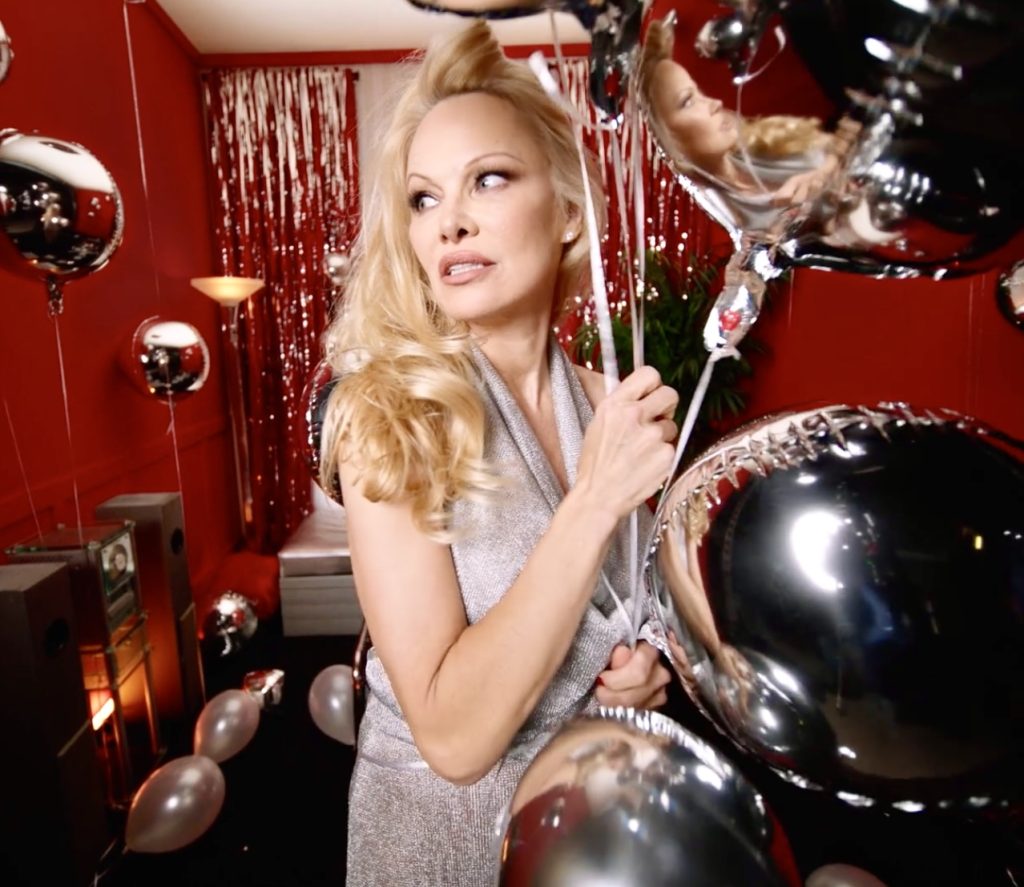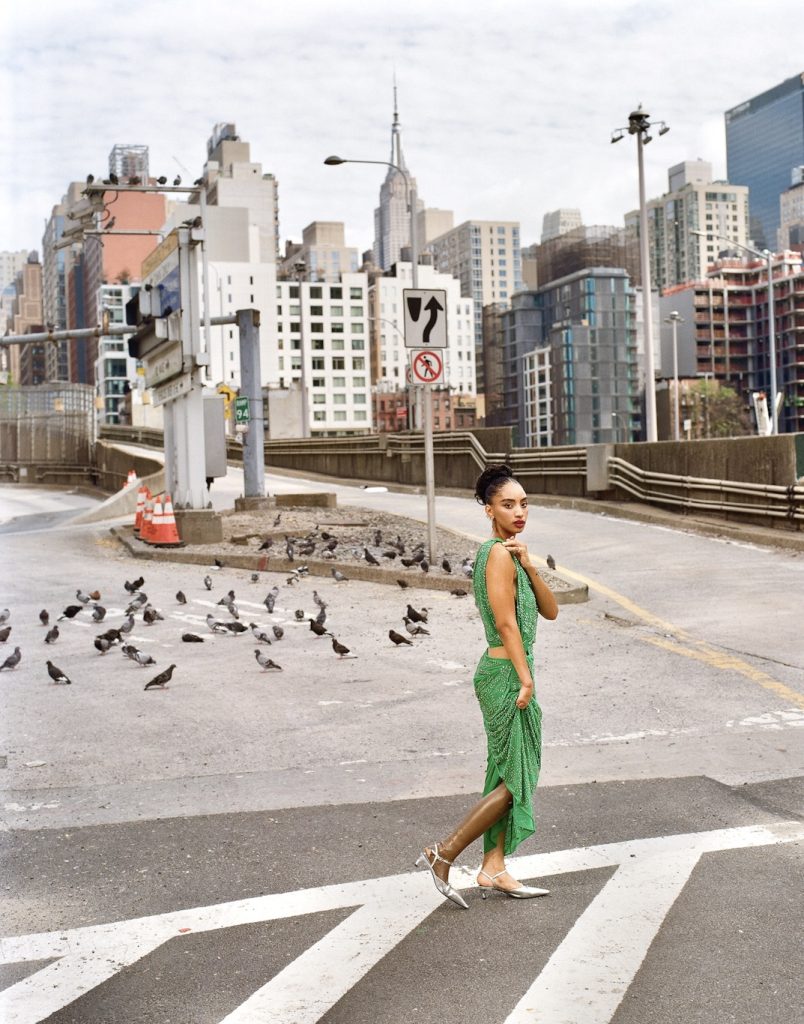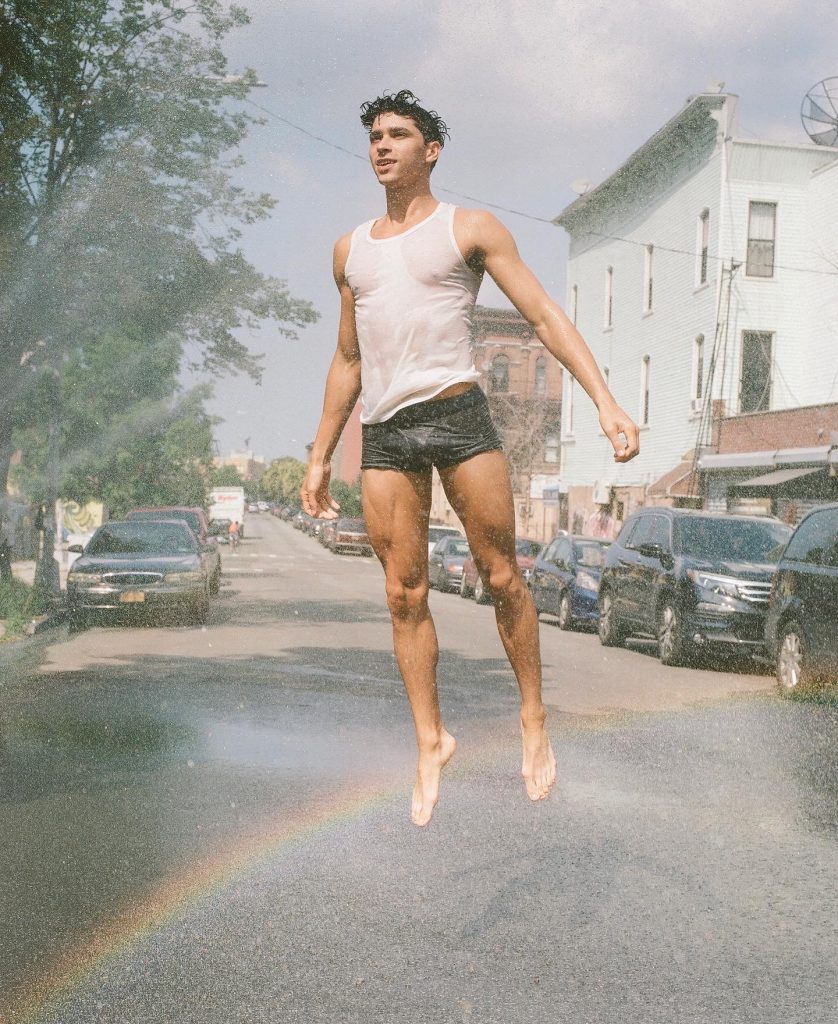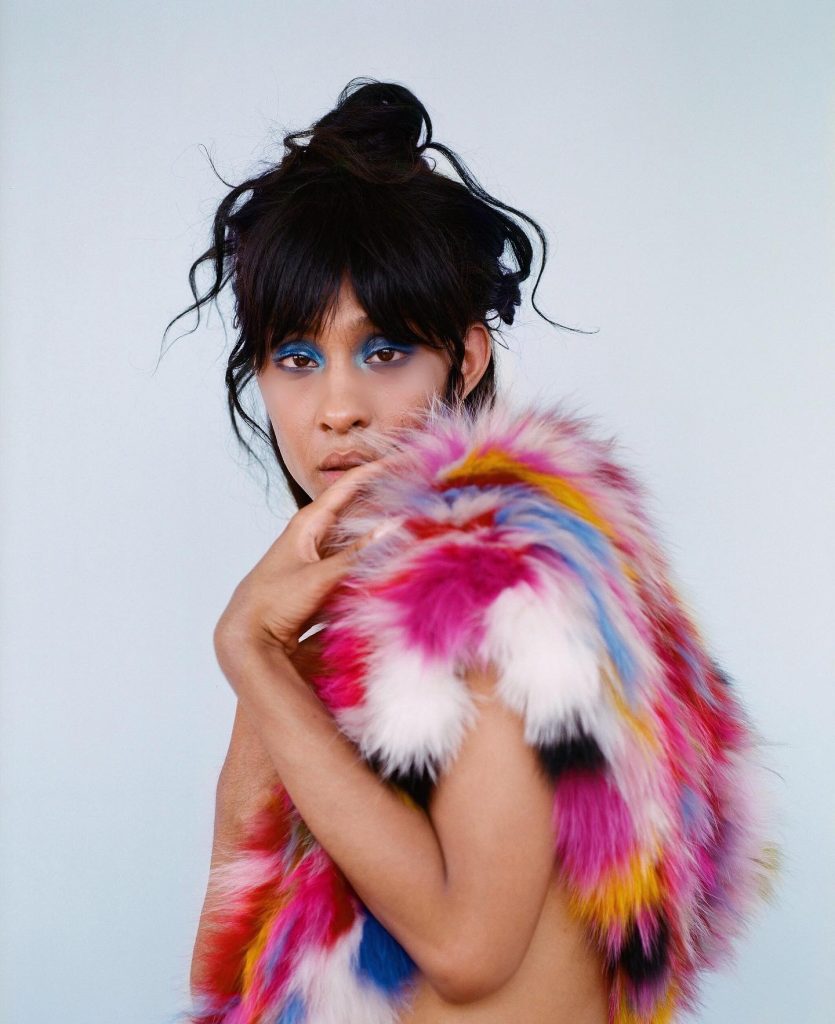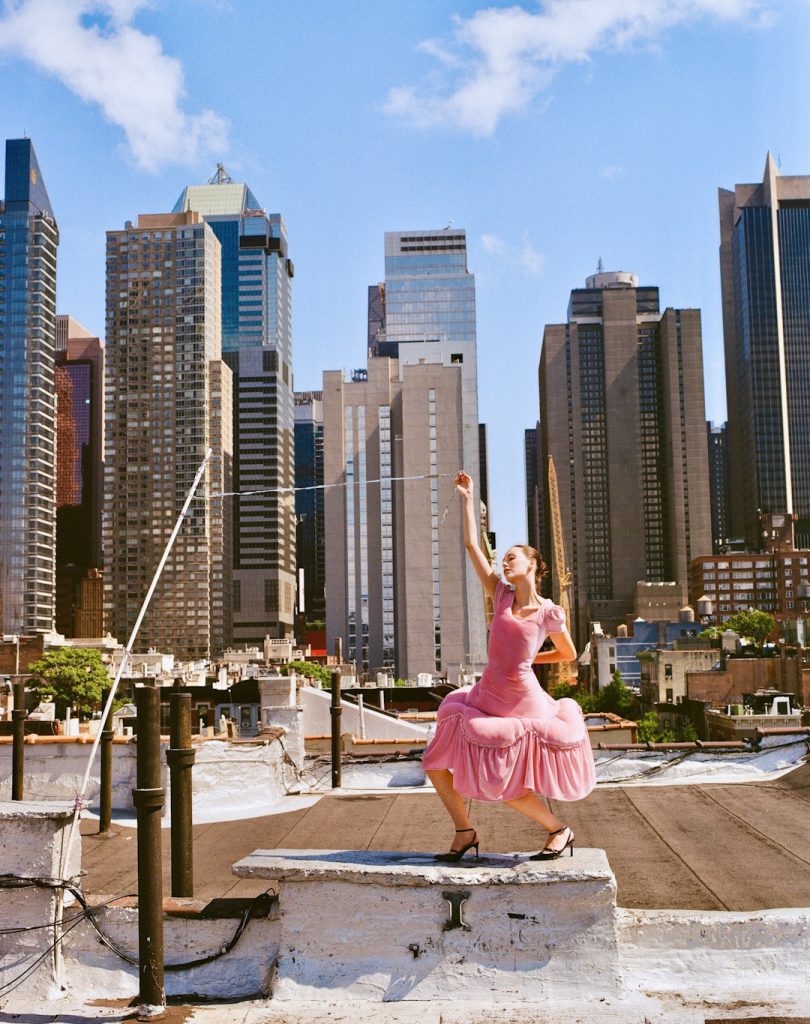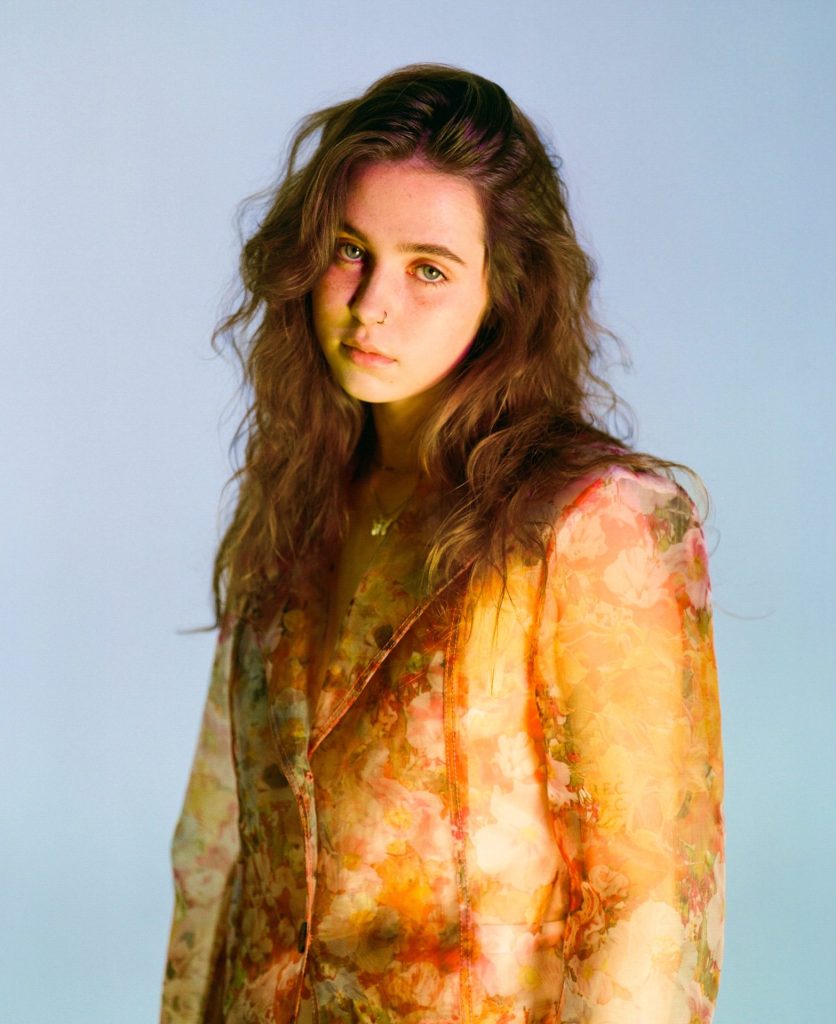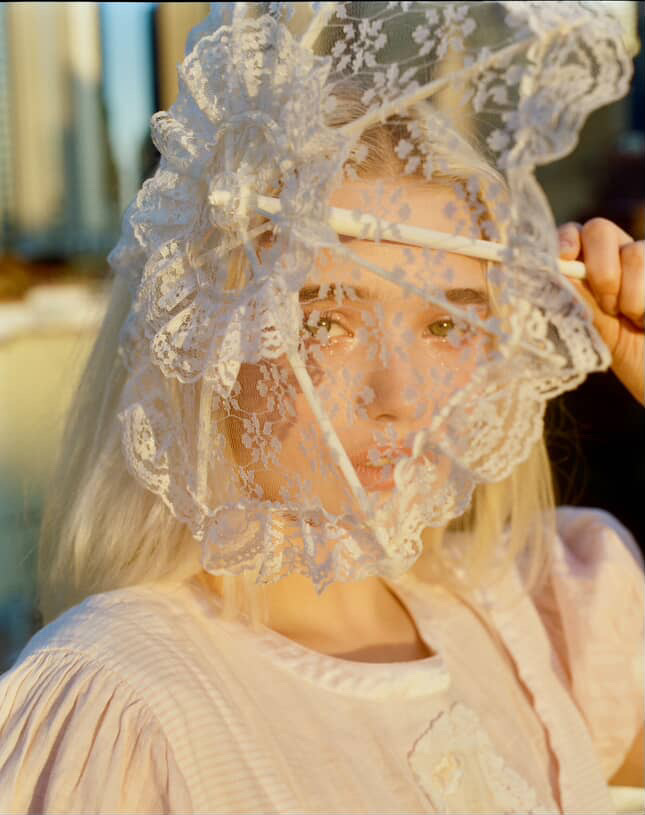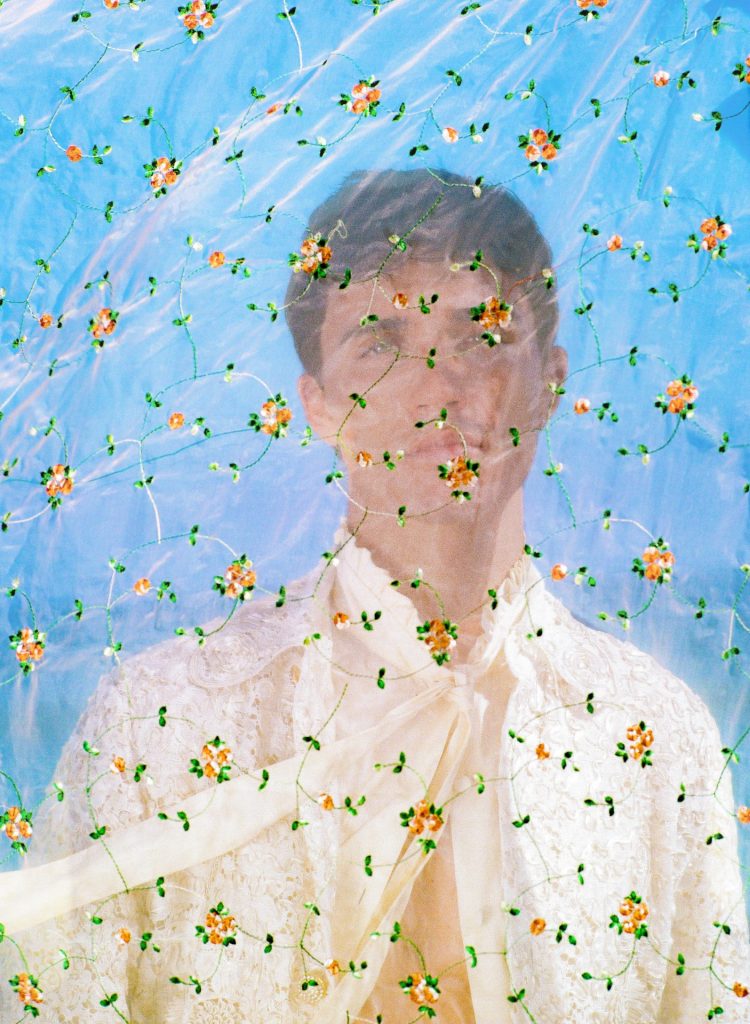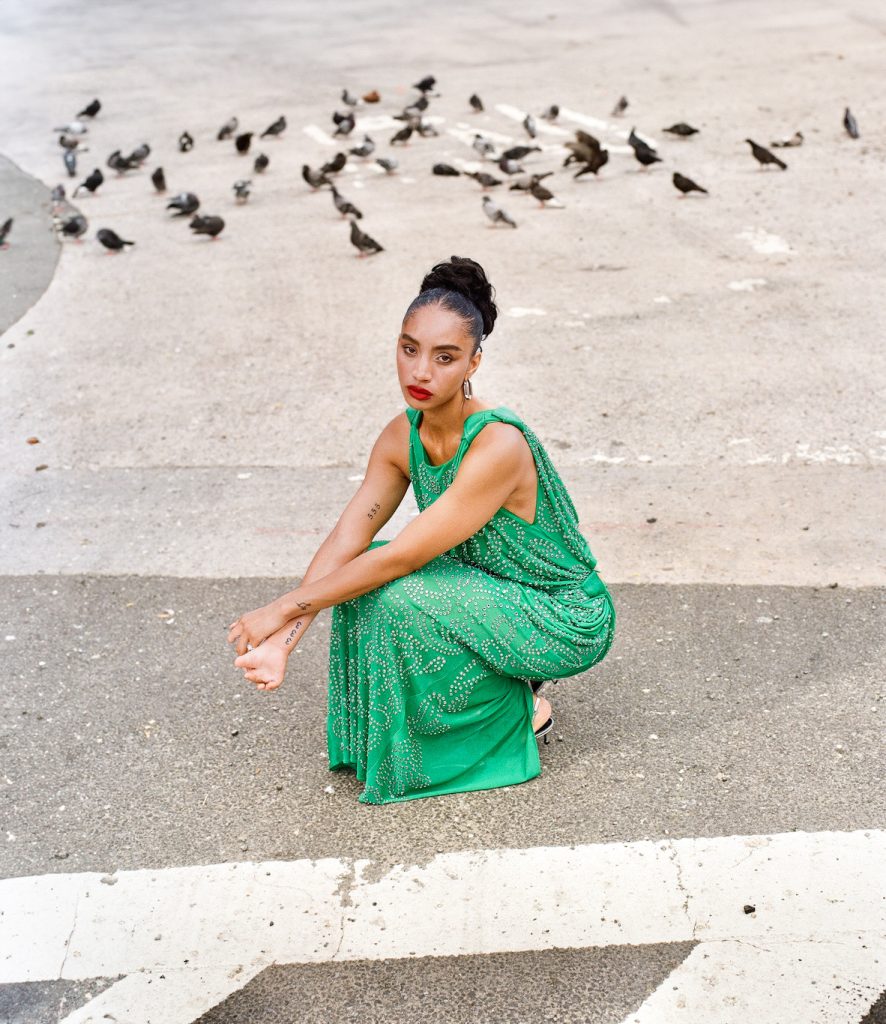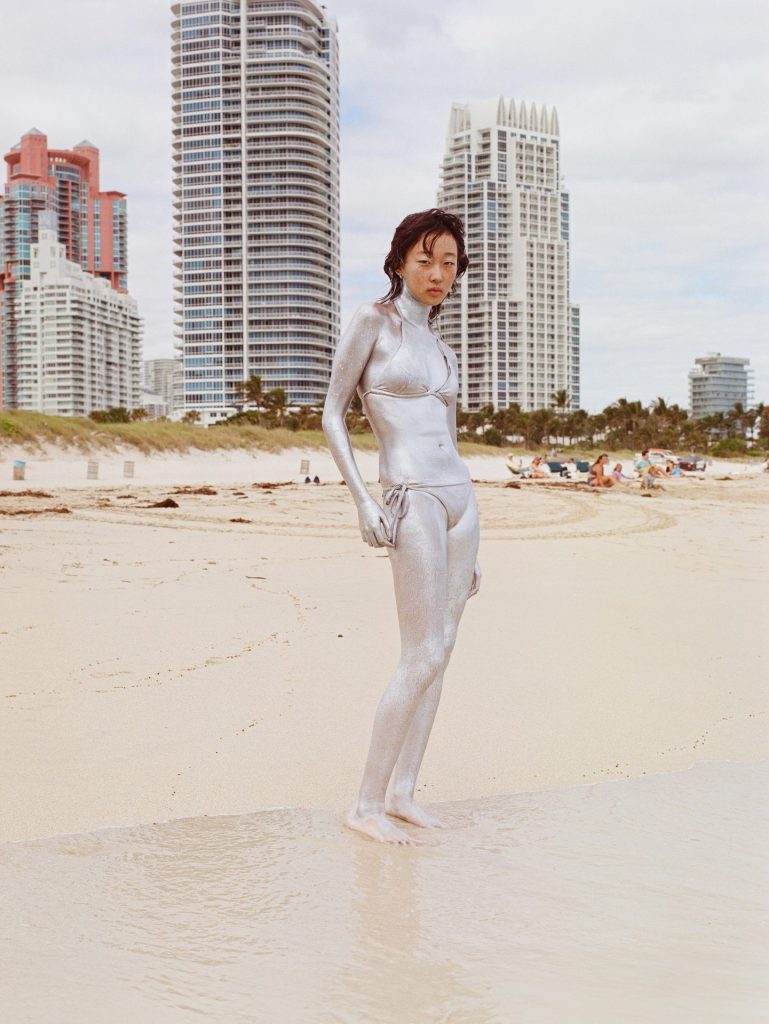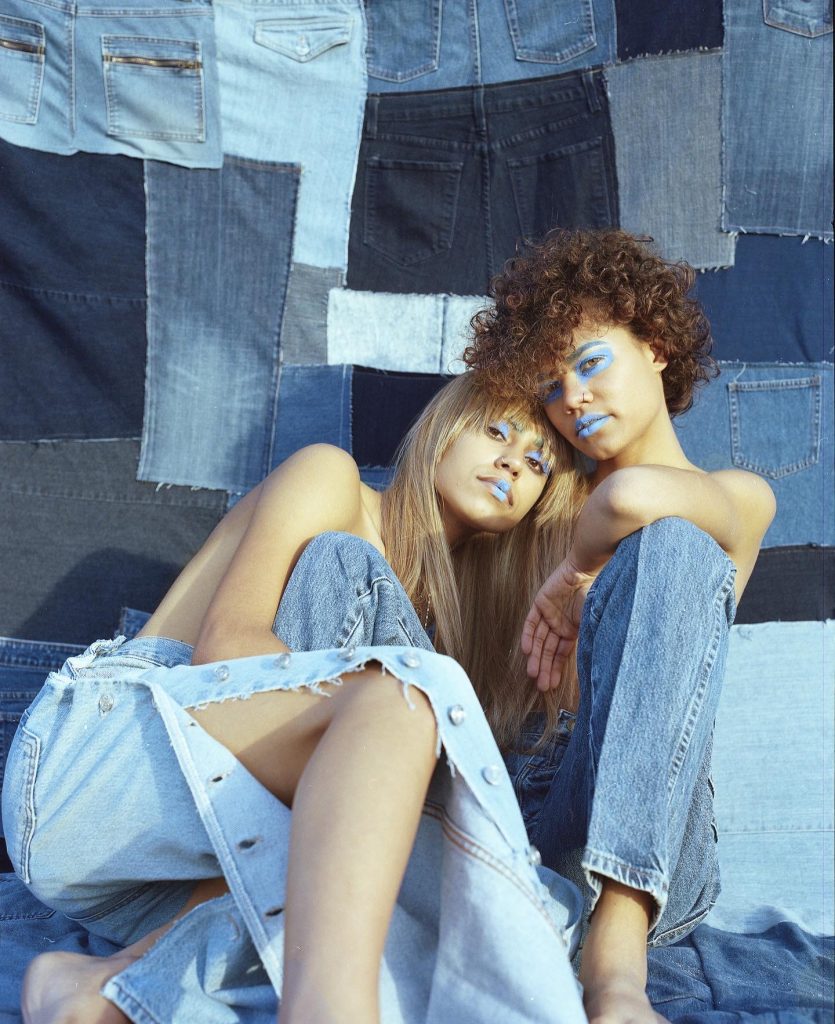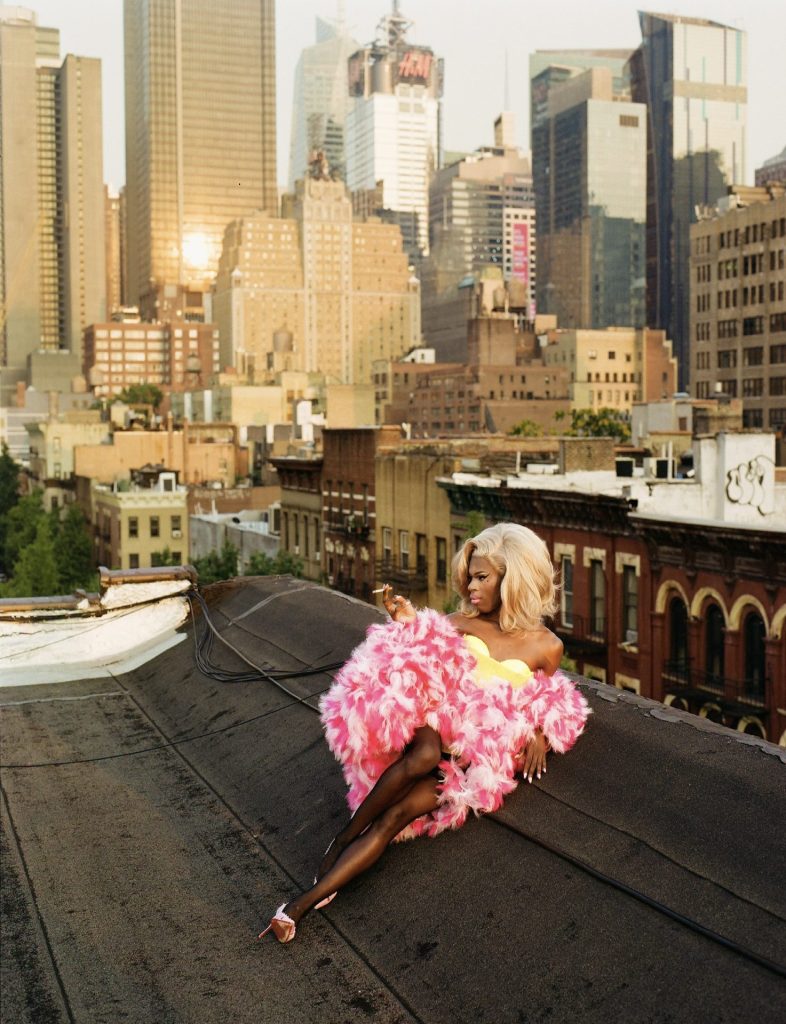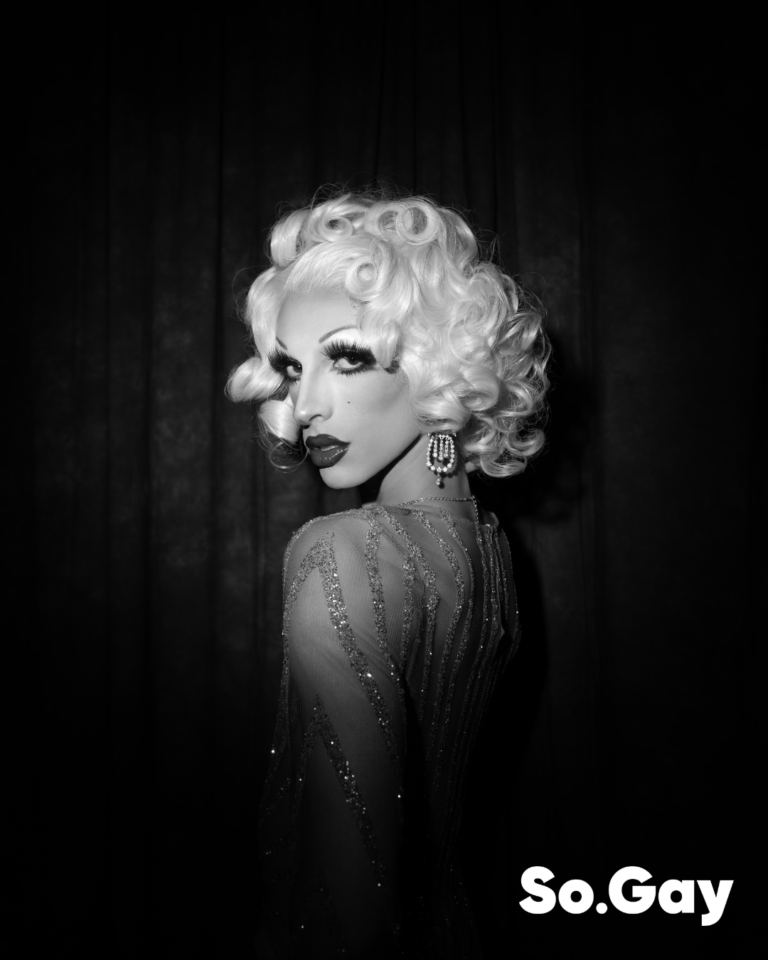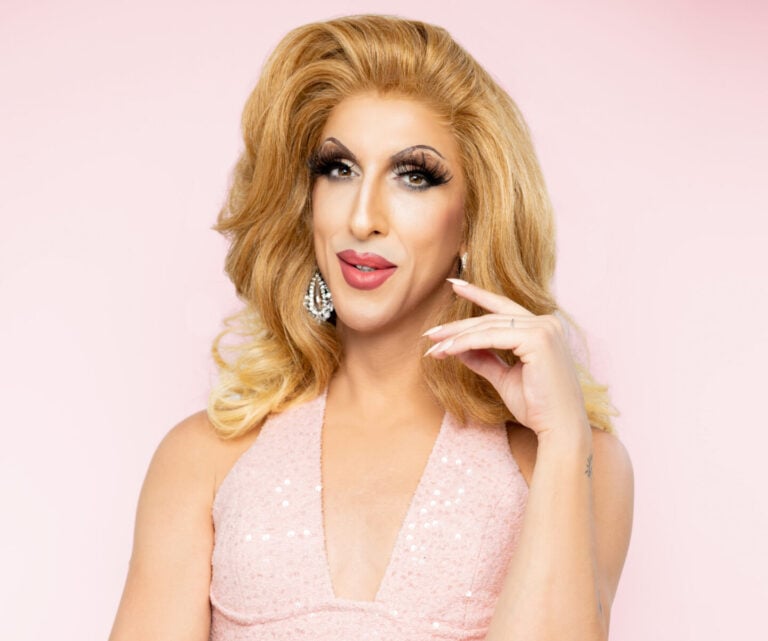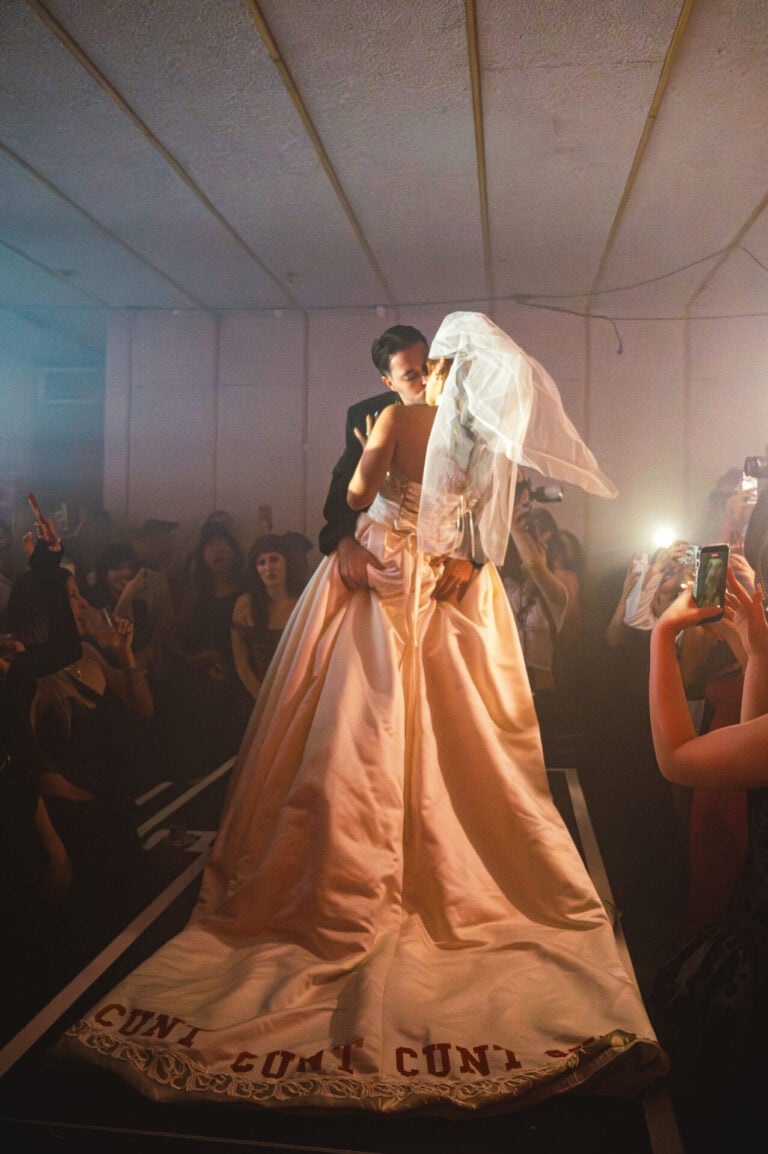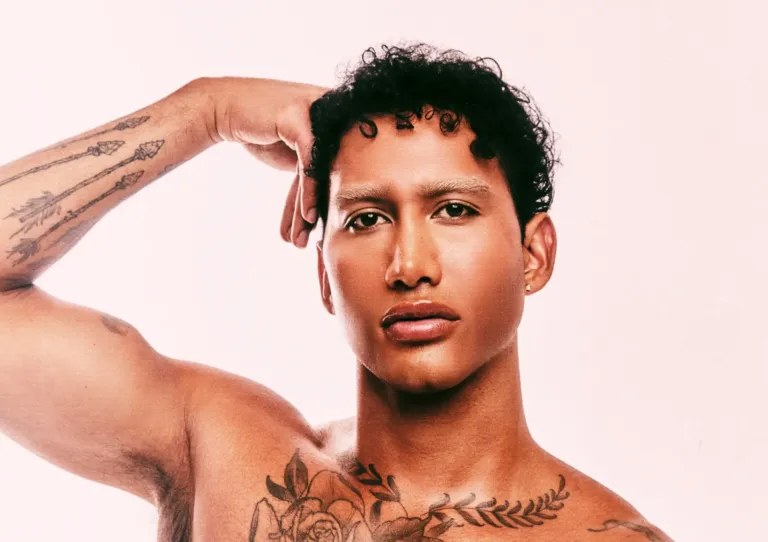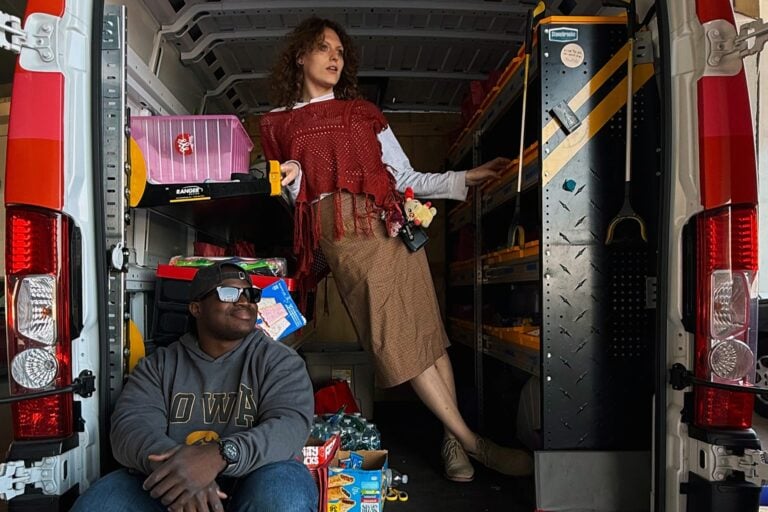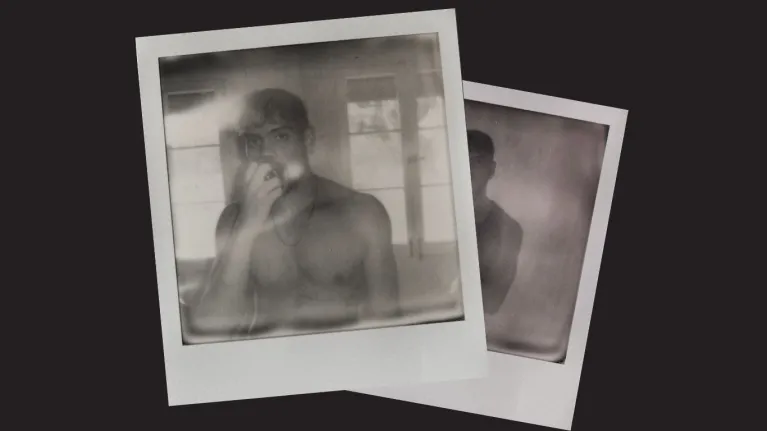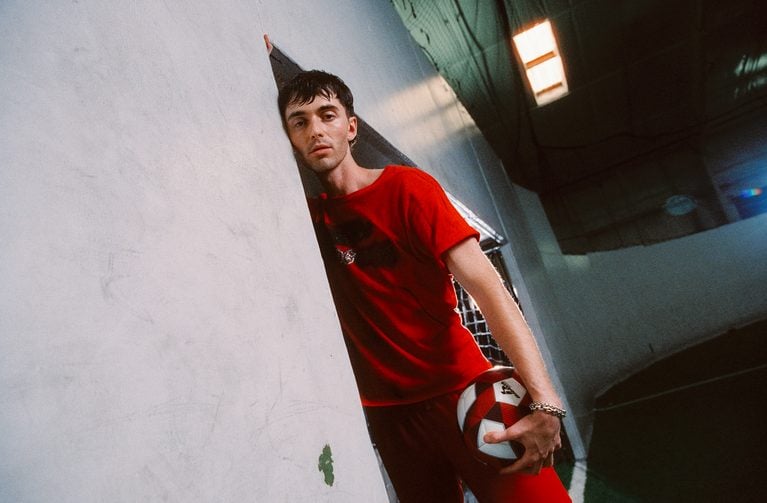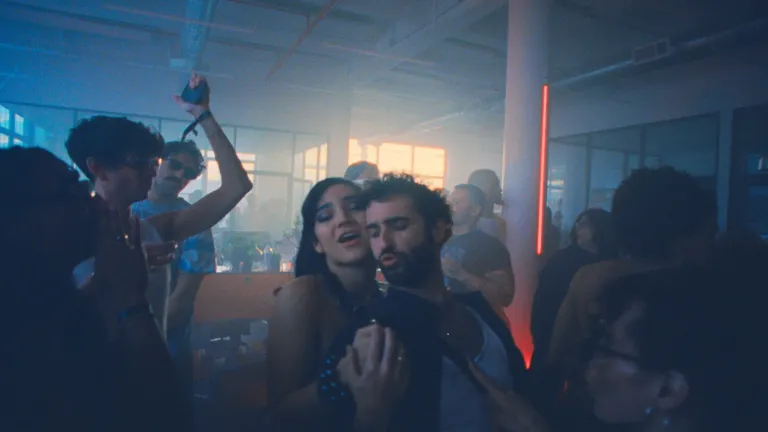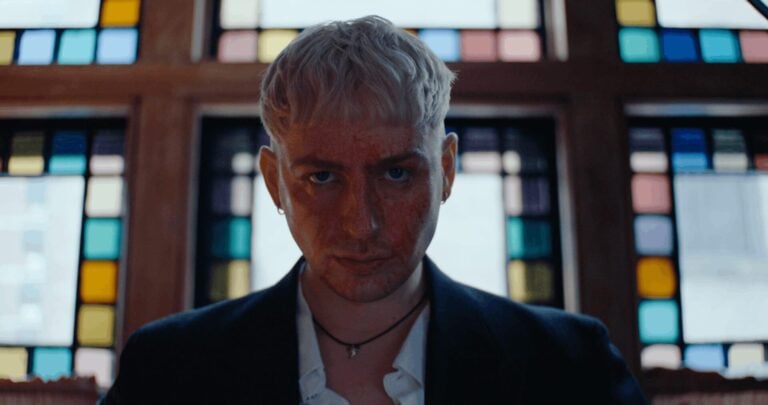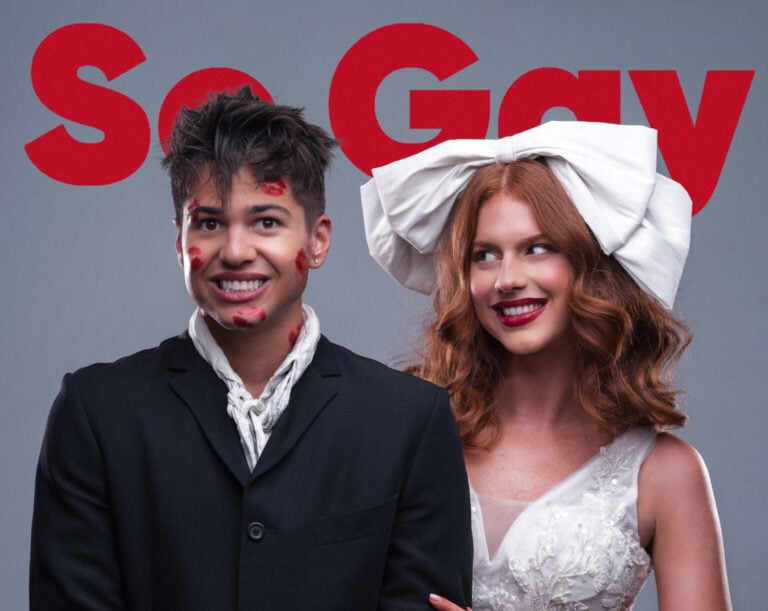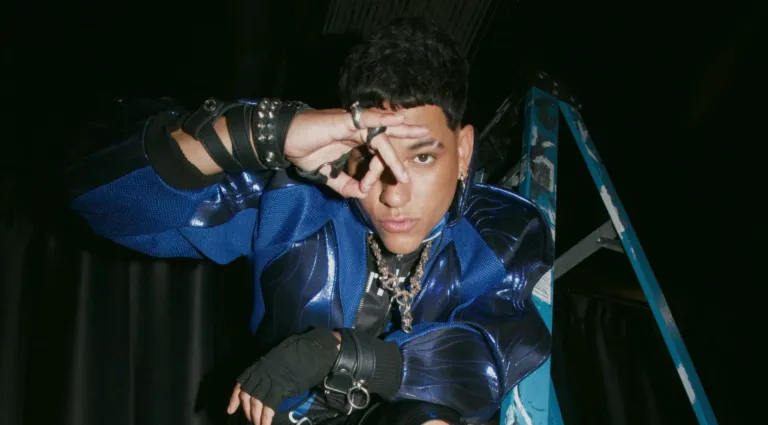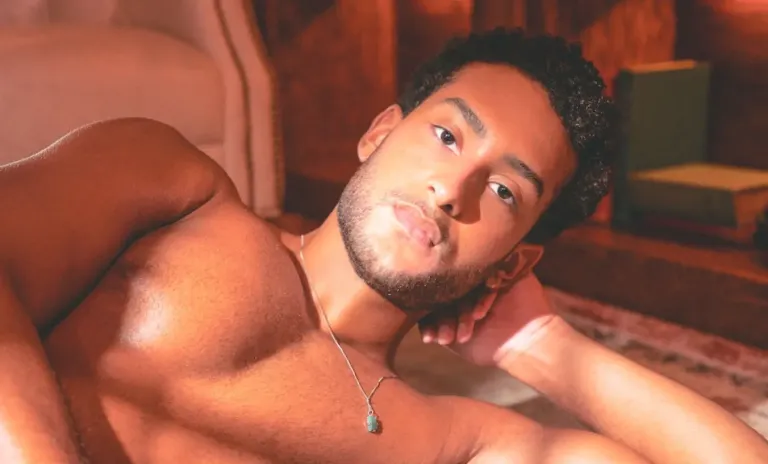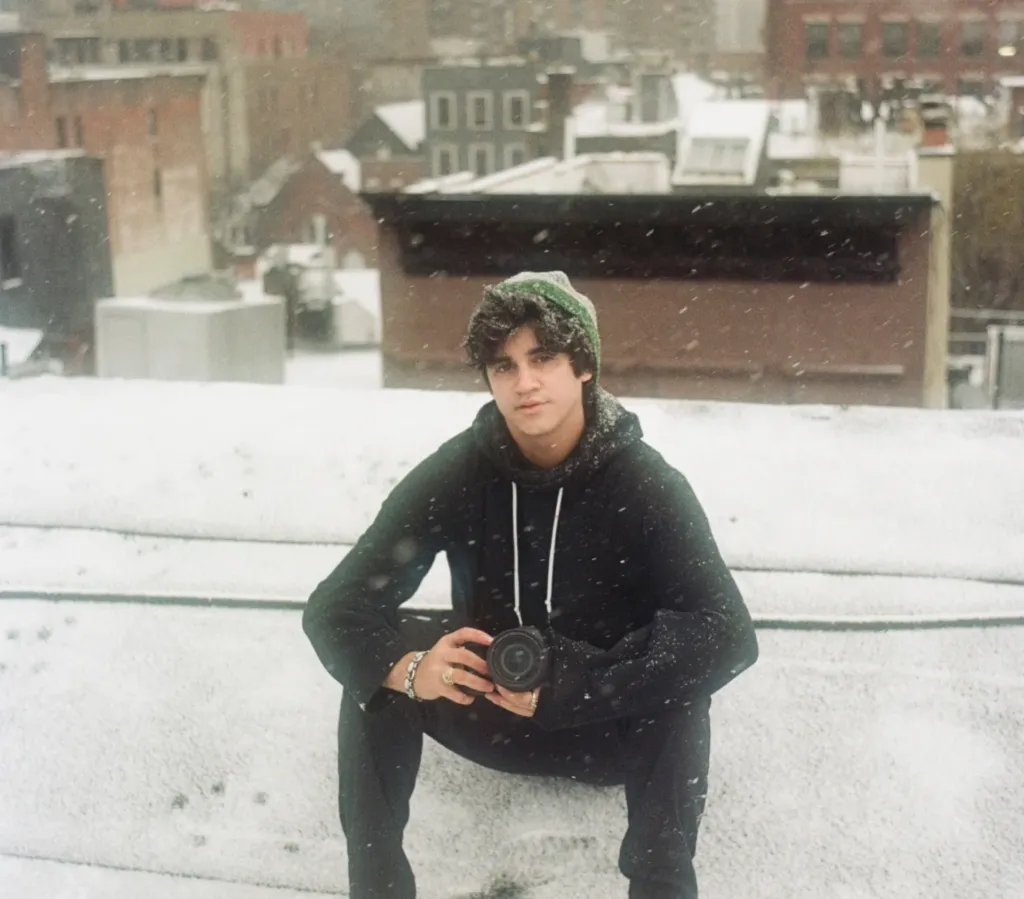
From shooting for Vogue, GQ, Paper, and Dazed to directing campaigns for Fenty Beauty, Maybelline, and Amazon Fashion, Jasper Soloff has carved out a visual language that feels instantly recognizable: kinetic, saturated, and emotionally charged. He’s photographed artists like Billie Eilish and Billy Porter, and now he’s stepping into longform storytelling with a documentary following Broadway star Sam Pauly during her run in The Great Gatsby.
We sat down with Soloff to talk about scale, self-trust, and why joy is at the center of everything he makes.
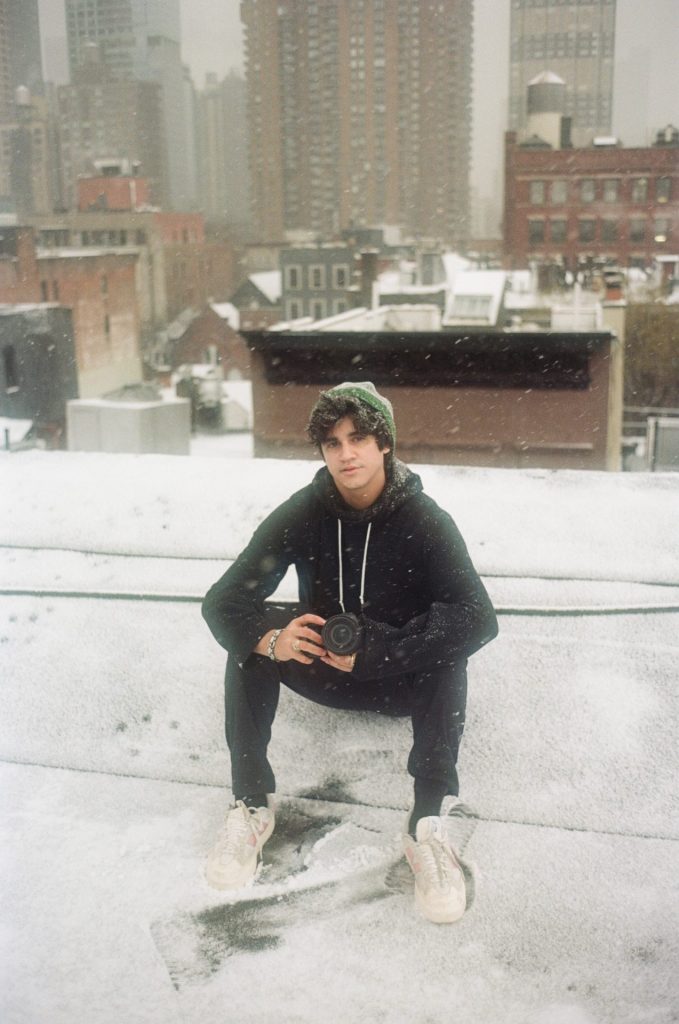
Your images feel loud in the best way — bold color, big emotion, real movement. What are you chasing when you’re behind the camera?
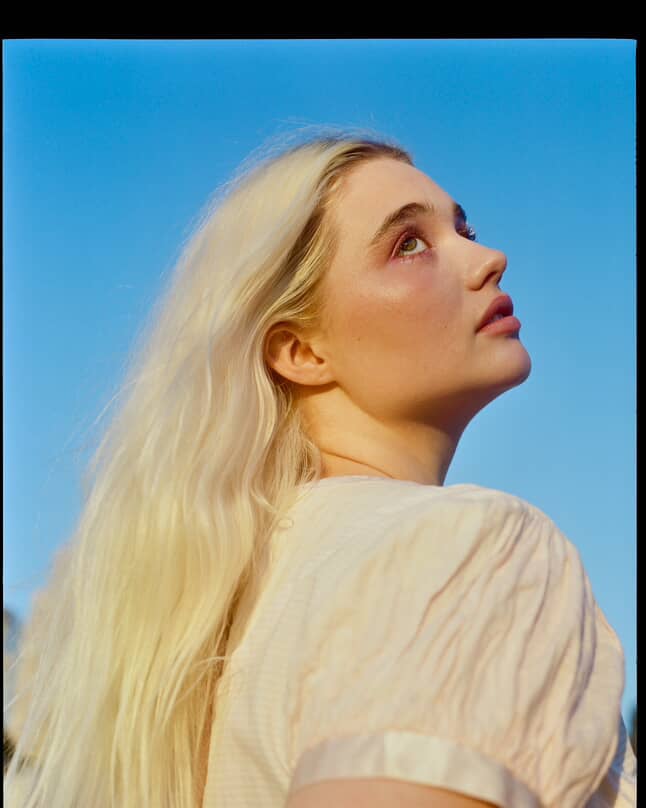
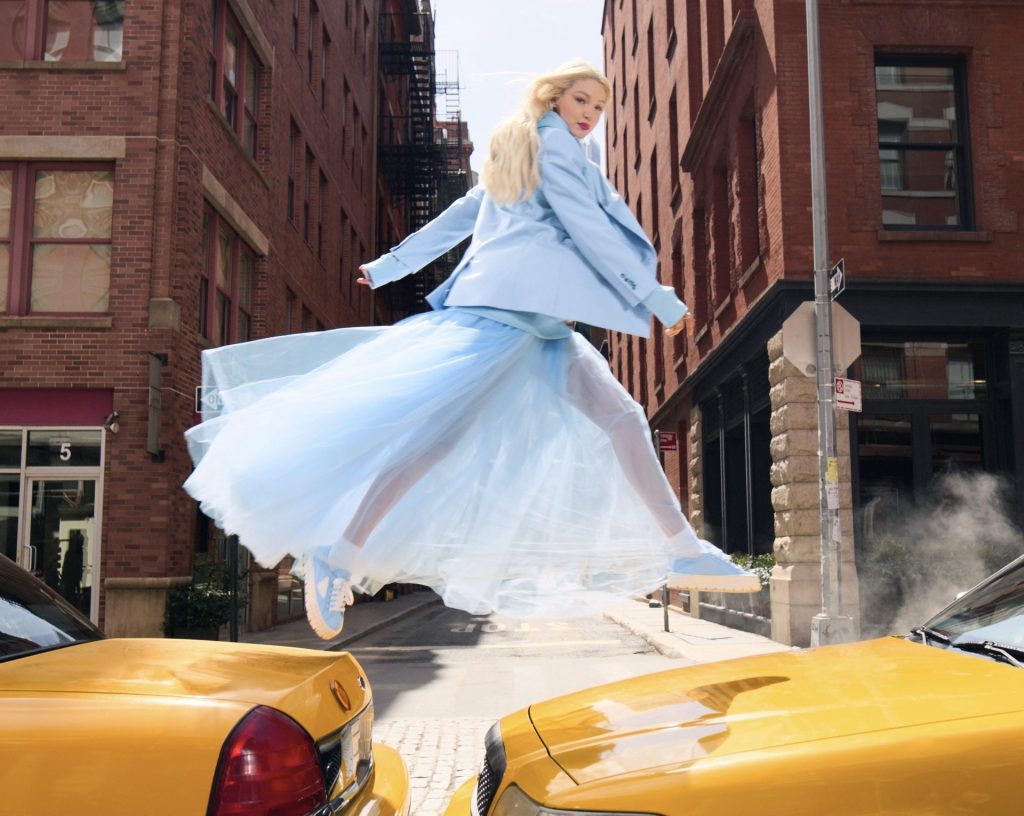
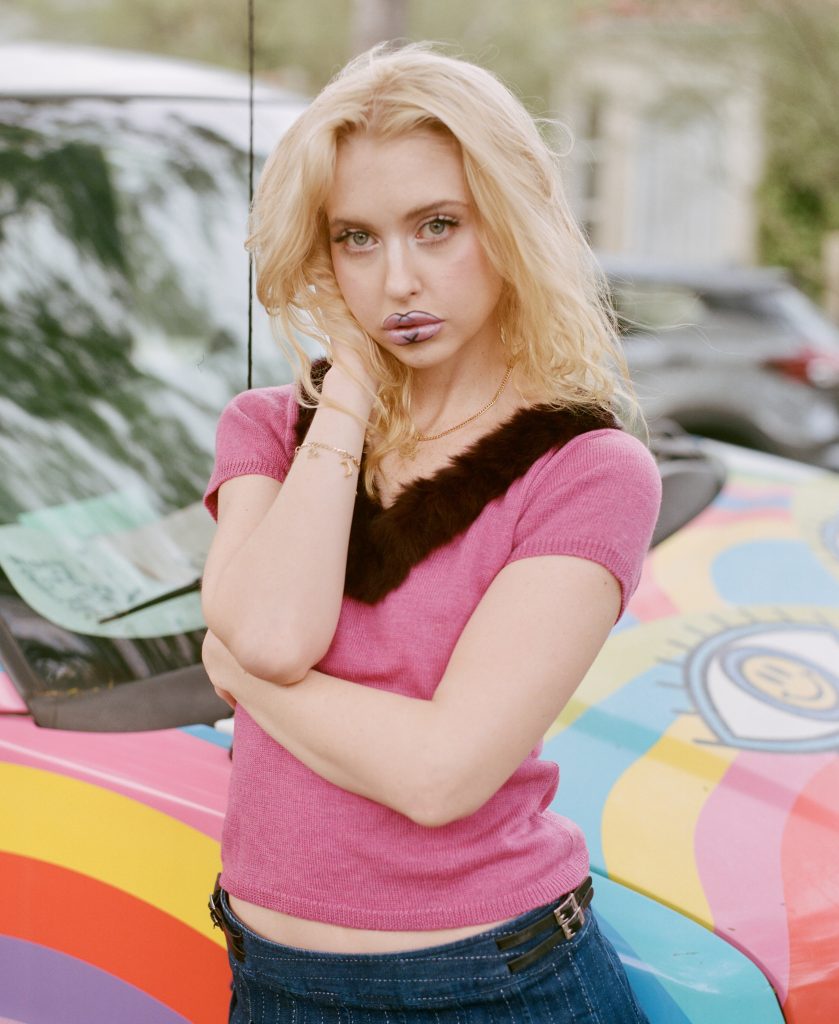
Jasper Soloff: Energy. I’m always chasing that split second when someone forgets they’re being watched. That’s when the image becomes honest. I use color almost like a volume knob — turning it up to heighten the feeling. I want the viewer to feel something immediately, not just admire something pretty.
Before photography, you were training seriously as a ballet dancer. Does that discipline still show up in your process?
Jasper Soloff: Completely. Ballet trained me to obsess over detail — the angle of a hand, the tension in a shoulder, the space between bodies. On set, I’m hyper-aware of posture and line. Even chaos is choreographed in a way. But I’ve also learned to loosen up. Dance was about perfection. Photography, for me, is about presence.
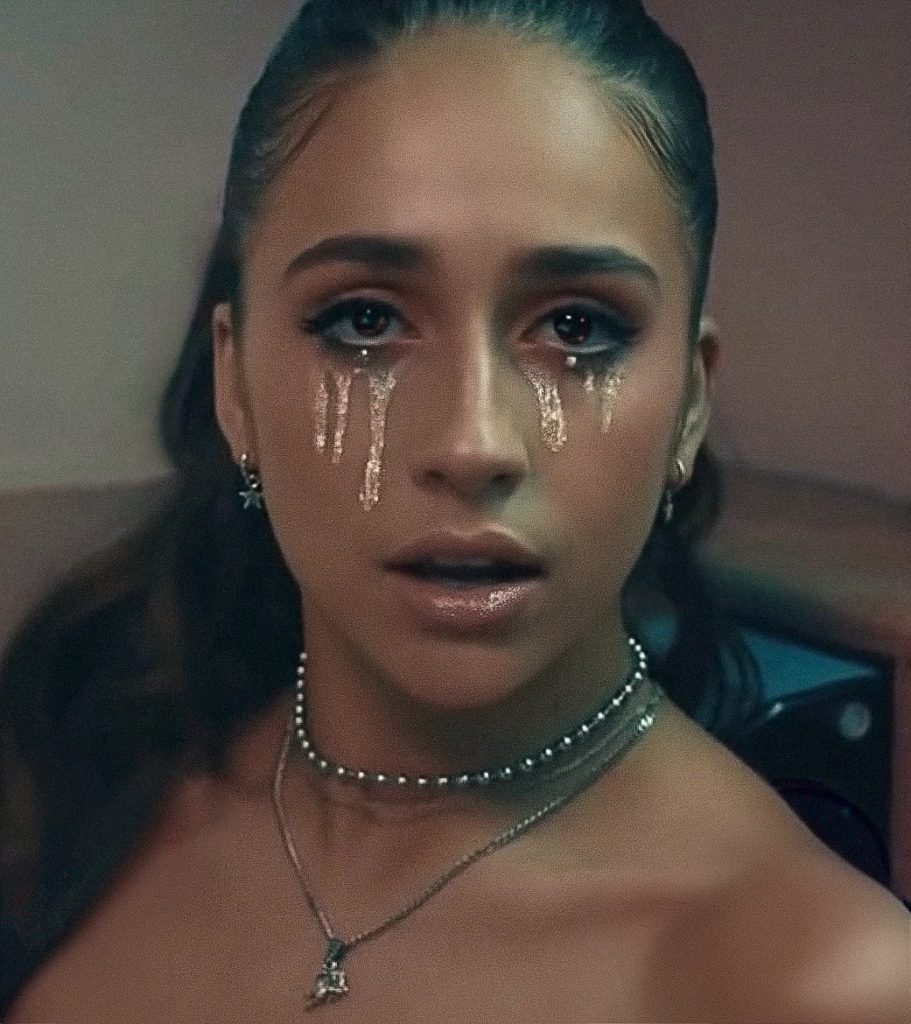
You’ve photographed global stars and major campaigns. What did it take internally to step into rooms at that level?
Jasper Soloff: Honestly? Confidence that I had to build the hard way. Early in my career, I was underestimated a lot. I’m young, I’m queer — people didn’t always immediately see me as “the director.” At some point I realized no one was going to hand me authority. You claim it. Once I stopped shrinking myself, the work leveled up too.
You talk a lot about queer joy. How does that translate visually?
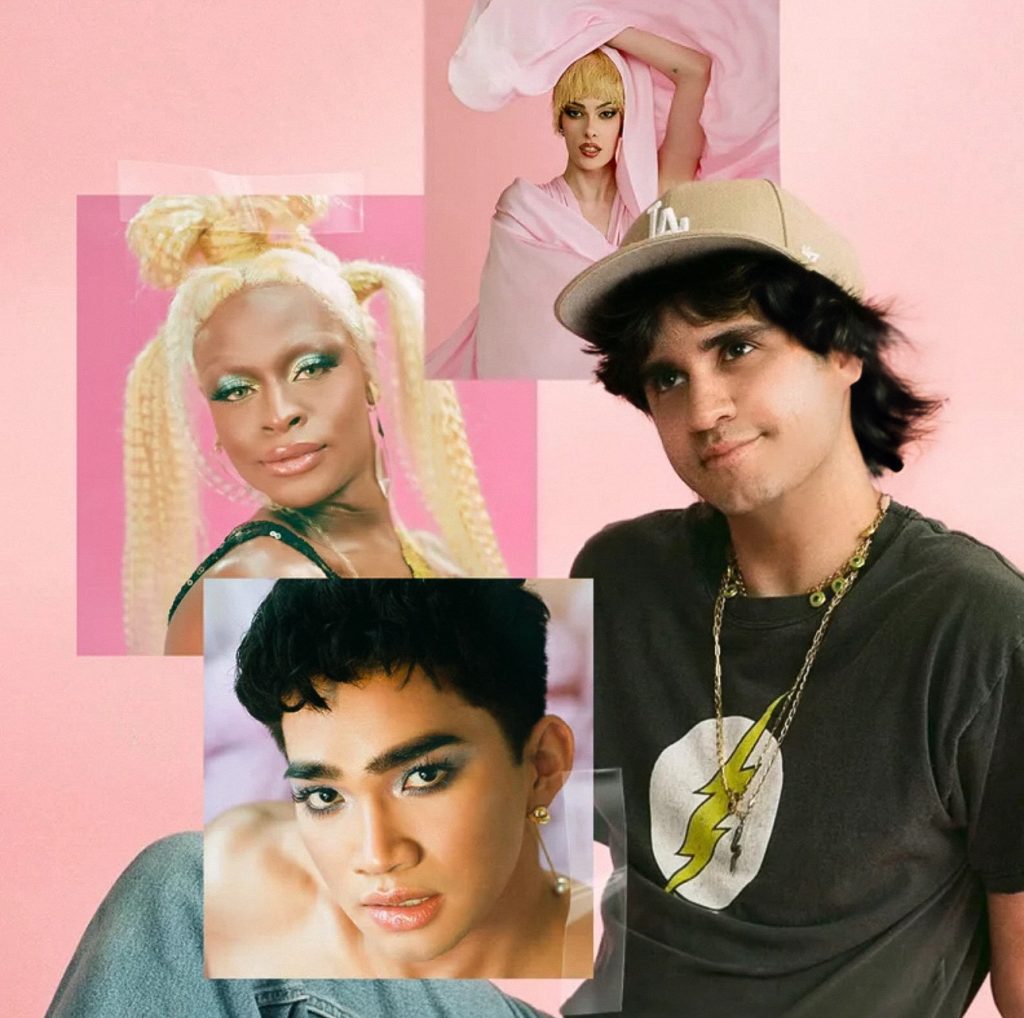
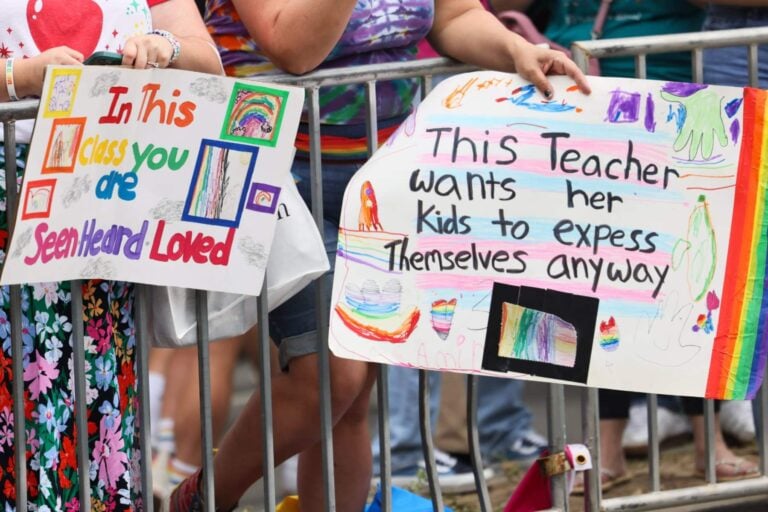
Jasper Soloff: For me, queer joy is softness and power existing at the same time. It’s intimacy without apology. I’m drawn to people who exist loudly — drag artists, musicians, performers — because there’s bravery in that visibility. I want my sets to feel like safe little ecosystems where people can show up fully. When someone feels seen, it changes the image completely.
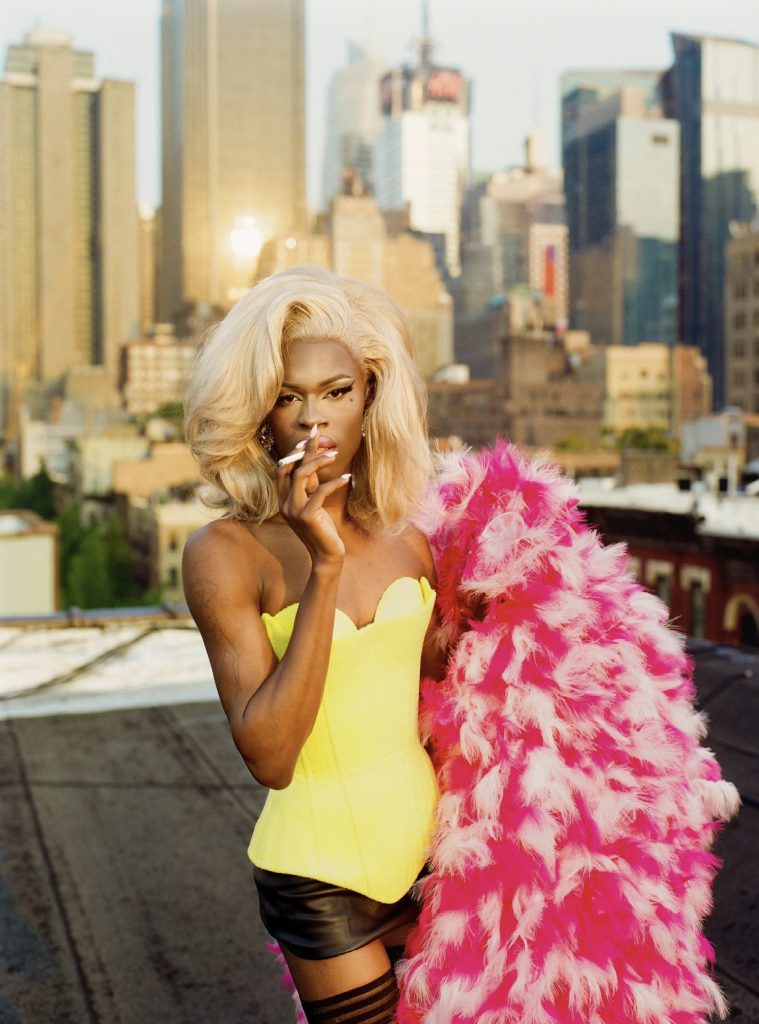
What did seeing your work displayed publicly — like in Times Square — mean to you?
Jasper Soloff: It felt surreal. I remember being younger and staring up at those screens thinking they were untouchable. Seeing my work there wasn’t just a career milestone — it felt personal. Like proof that the kid who felt different could grow up and put that difference on a massive stage.
You’re moving into film and documentary work now. What’s exciting about that shift?
Jasper Soloff: Still images capture a moment. Film captures evolution. Following Sam Pauly through her Broadway journey opened something up in me. I loved building narrative — watching vulnerability unfold over time. I’m excited by projects that combine music, fashion, and storytelling. Eventually, I’d love to direct something theatrical and emotionally explosive. Something that feels like a concert and a confession at the same time.
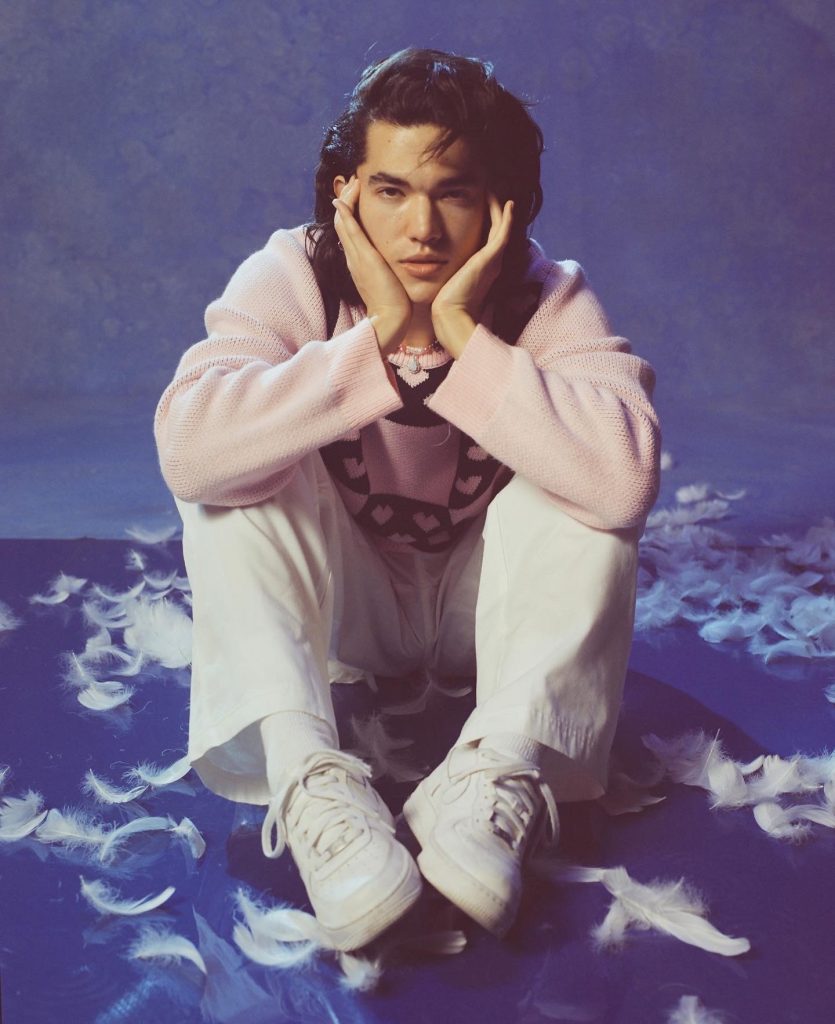
What does a successful shoot feel like to you?
Jasper Soloff: It feels collaborative. It feels unexpected. Some of my favorite images happened when something went “wrong” — lighting shifting, someone moving off mark, laughter breaking out. I plan obsessively so I can afford to be spontaneous. That tension between control and freedom is where the magic is.
Q: If you stripped away the credits and the clients, what is the core of what you’re trying to say with your work?
Jasper Soloff:That there’s power in being fully yourself. That color is emotional. That movement is healing. And that joy — especially queer joy — isn’t frivolous. It’s revolutionary.
Follow Jasper on Instagram at @JasperEgan